Engineers Demand Nationwide Building Inspections After Deadly Nairobi Collapses
The Institution of Engineers of Kenya (IEK) has called for nationwide inspections of high-risk construction projects following two deadly building collapses in Nairobi within 48 hours, leaving nine people dead and several others injured.
In a statement issued on Saturday, November 14, 2026, the institution warned that recurring construction disasters point to systemic weaknesses in engineering design, construction practices, professional supervision, inspection and regulatory enforcement. The engineers called on the government to conduct comprehensive safety inspections to identify buildings and construction projects that could pose a danger to human life.
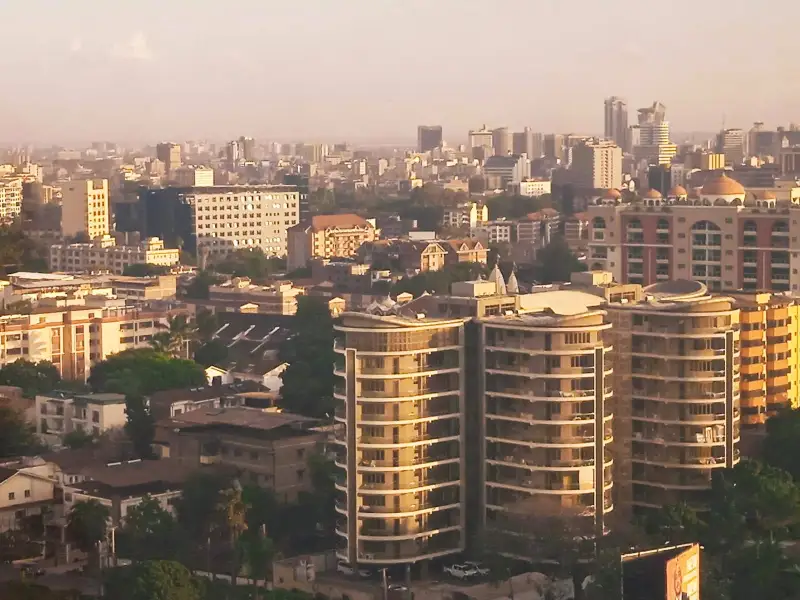
The latest tragedies occurred on November 13, when an eight-storey building under construction in Syokimau collapsed, killing six people and injuring several others. A day later, another construction-related collapse in Nairobi's Riverside area claimed additional lives and left several people injured. The incidents came less than a month after an October 23 building collapse in Eastleigh claimed eight lives. <escape>(Source: Kenyans.co.ke, November 15, 2026.)</escape>
See what is available now.View homes
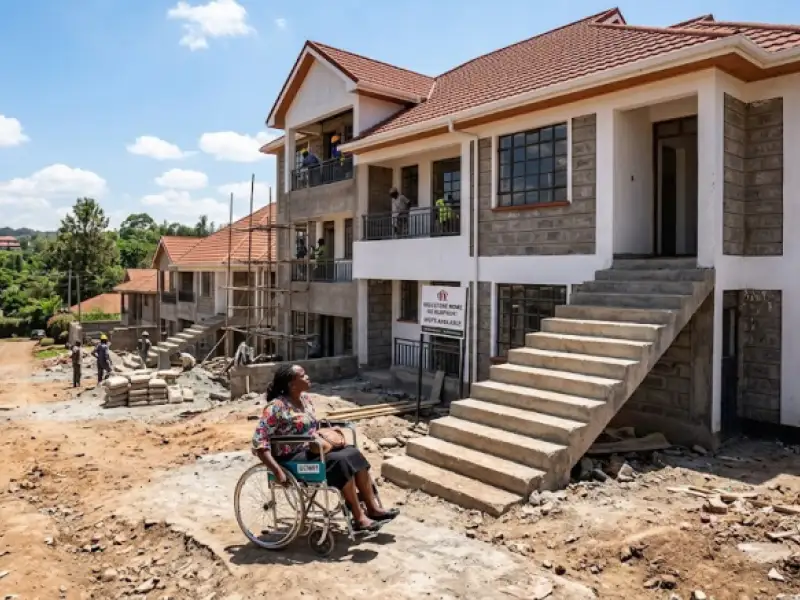
IEK has called for independent investigations into the latest incidents, cautioning against premature conclusions about their causes or responsibility. In Syokimau, investigators have been urged to examine the temporary structures supporting a concrete slab during construction, including whether they were properly designed, installed and inspected before concrete was poured. In Riverside, attention has been directed towards excavation support systems and retaining structures.
The engineers have also called for construction activities in affected areas to remain suspended until safety clearance is obtained, alongside stronger enforcement of construction laws and accountability for professionals or companies found responsible for negligence or regulatory violations. The incidents have renewed questions about whether existing construction standards are being adequately enforced across Kenya. <escape>(Source: Kenyans.co.ke; Institution of Engineers of Kenya.)</escape>
Read Also: The Real Estate Decisions That Separate Homeowners from Property Investors
Building Safety in Kenya: What the Crisis Means for Homebuyers
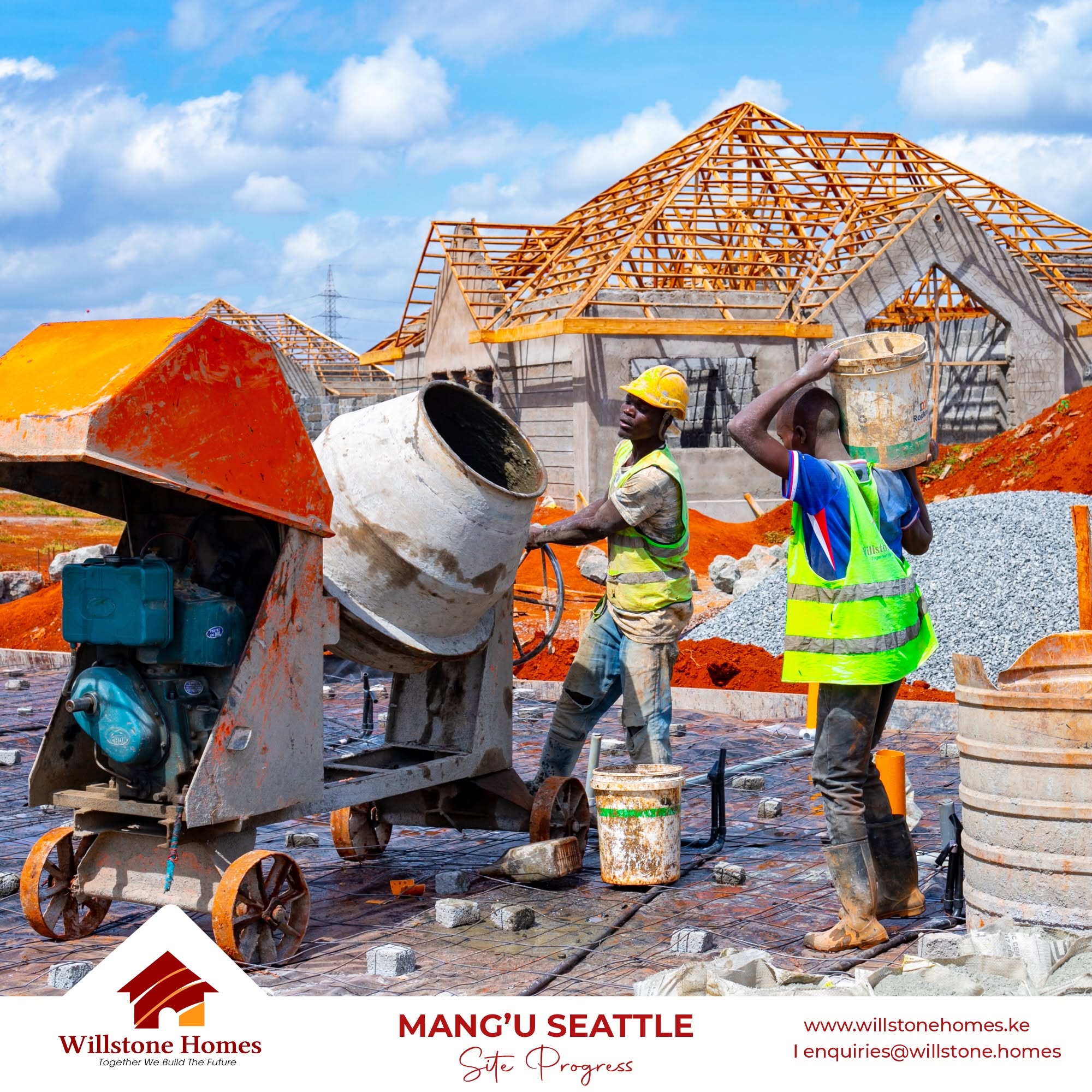
While the engineers' demands primarily focus on identifying unsafe buildings and preventing further loss of life, the unfolding crisis raises an equally important question for ordinary Kenyans: How can someone buying a home establish that the property they are investing in is safe, properly constructed and compliant with building regulations?
For prospective homeowners, the answer goes beyond inspecting a property's appearance, checking its location or negotiating a favourable purchase price. Construction quality, professional supervision and regulatory compliance are fundamental considerations that can influence a property's safety, long-term value and future maintenance costs.
This is particularly important for buyers exploring Homes for Sale in Kenya, including newly constructed houses in Nairobi, Kiambu, Ruiru, Juja and other emerging residential areas.
1. Verify Building Approvals Before Buying a House
One of the first considerations when purchasing a newly constructed home should be whether the development has the necessary approvals from the relevant authorities.
Buyers should establish whether the building was constructed according to approved architectural and structural plans and whether the developer obtained the applicable construction permits. Where necessary, buyers should seek assistance from qualified professionals to verify the documentation.
A house may appear complete and ready for occupation, but its appearance alone cannot establish whether the construction complied with applicable requirements. Proper documentation provides an important starting point for assessing the legitimacy and compliance of a property.
For anyone considering a House for Sale in Nairobi or a residential development in Kiambu County, verifying approvals is an important part of responsible property due diligence.
2. Understand the Professionals Responsible for Construction
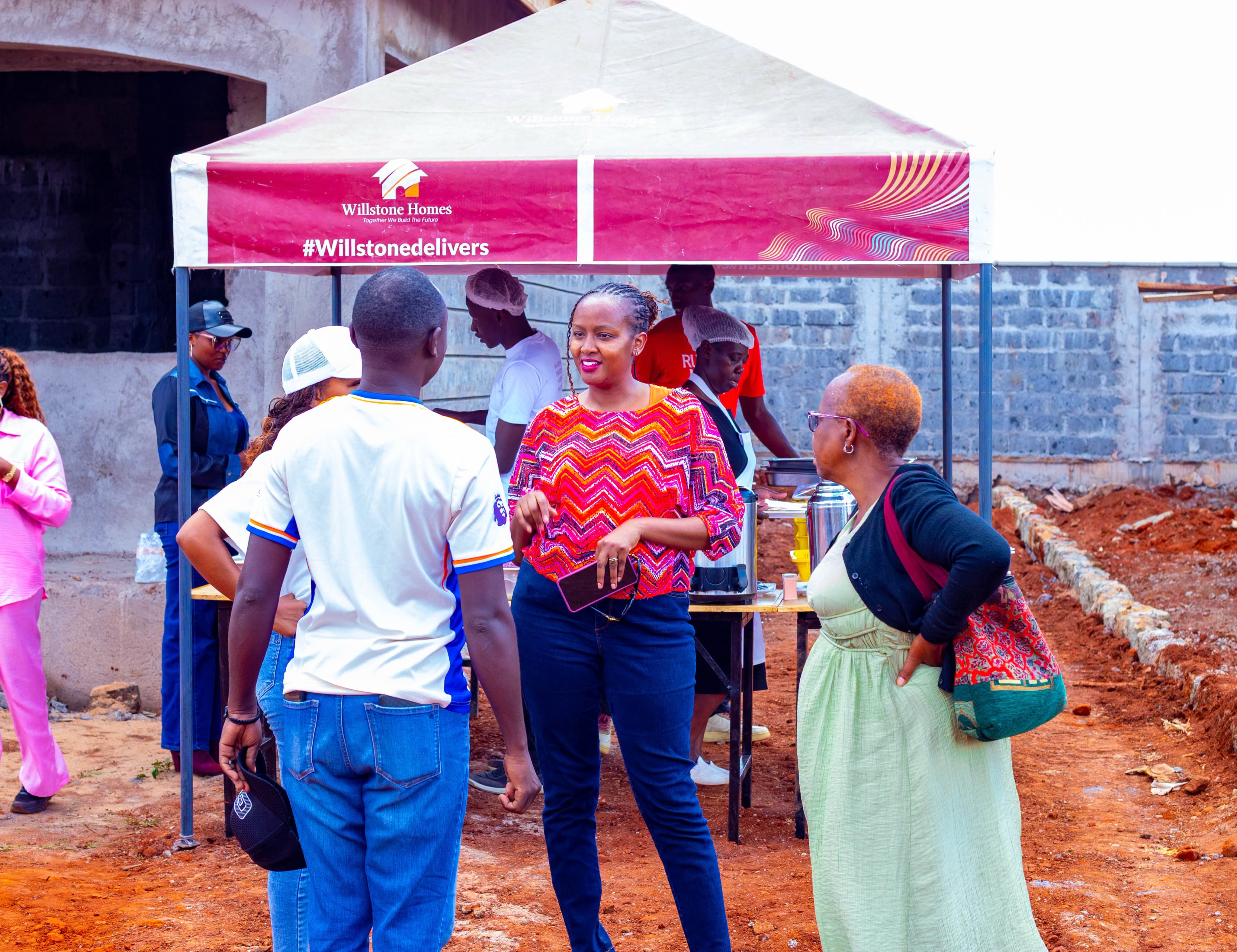
A properly executed residential development requires the involvement of qualified professionals at different stages of the construction process.
Architects, structural engineers, quantity surveyors and other relevant professionals contribute to the design, planning, costing and execution of construction projects. Their responsibilities are distinct, but collectively they help ensure that a building is designed and constructed according to appropriate technical and regulatory requirements.
The Institution of Engineers of Kenya has specifically emphasised the importance of engaging registered professional engineers for design and site supervision throughout construction.
For homebuyers, this highlights an important consideration: understanding who designed the property, who supervised its construction and whether the relevant professionals were appropriately registered.
Read Also: The Real Estate Decisions That Separate Homeowners from Property Investors
3. Look Beyond Finishes and Interior Design
Beautiful finishes can make a house attractive, but they do not independently establish structural quality.
Tiles, paintwork, cabinetry, lighting and landscaped gardens contribute to a home's appearance and comfort. However, the structural integrity of the building depends on factors such as foundation design, reinforcement, concrete quality, workmanship and compliance with approved structural specifications.
This distinction is particularly important when comparing newly constructed Homes for Sale in Kiambu or other residential developments.
A buyer should avoid allowing attractive presentation or impressive interior finishes to overshadow questions about construction quality and regulatory compliance. Where appropriate, an independent structural inspection can provide additional assurance before completing a purchase.
4. Consider Independent Property Inspections
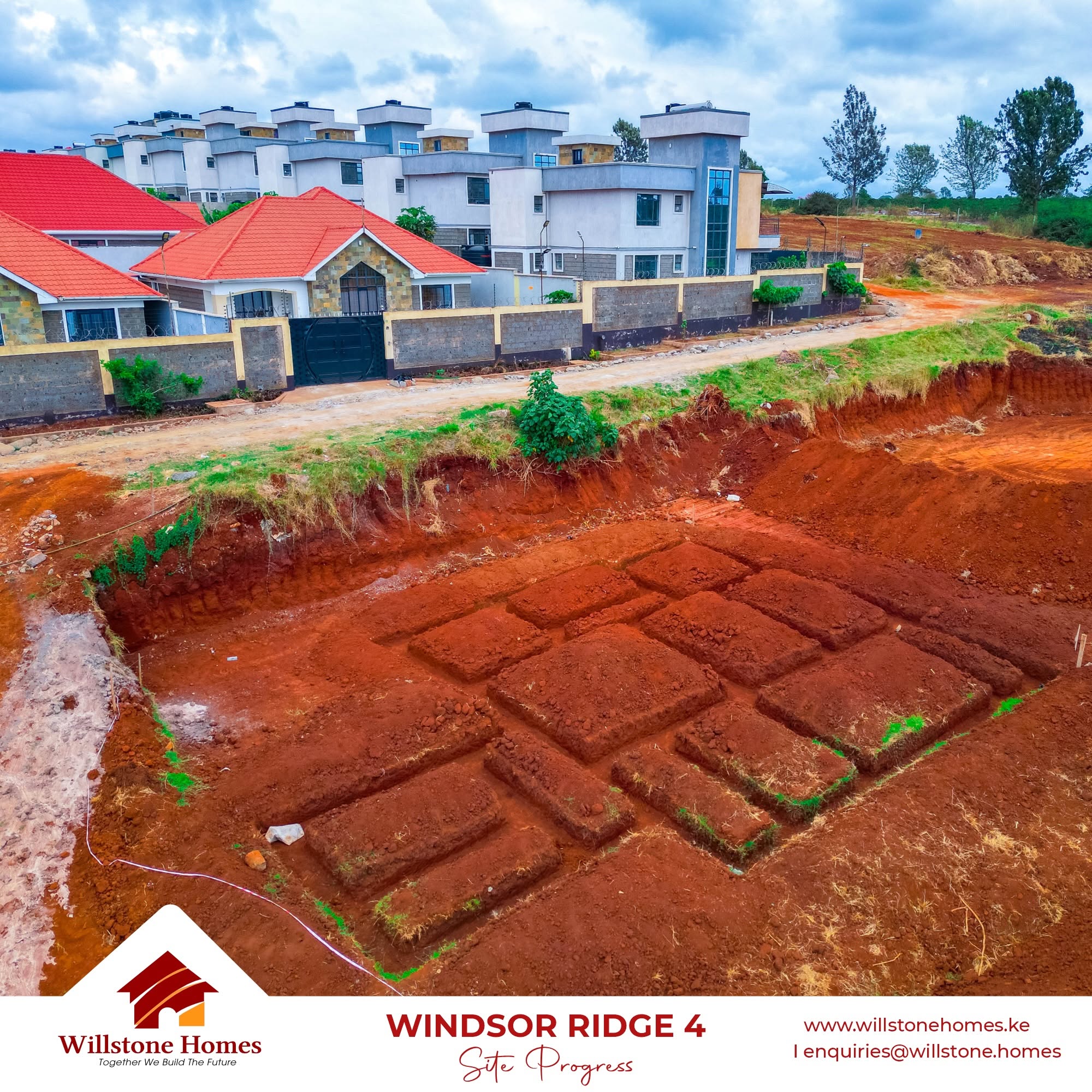
An independent professional inspection can help prospective homeowners identify defects or concerns that may not be immediately visible during an ordinary viewing.
Depending on the property and its construction stage, an inspection may examine structural elements, visible cracks, drainage, roofing, waterproofing, electrical installations, plumbing and general workmanship.
For completed houses, a qualified building professional can assess visible defects and recommend further investigations where necessary. For properties still under construction, inspections can help buyers assess progress and whether the work appears consistent with the relevant construction documentation.
The objective is not simply to find faults, but to establish whether the property meets reasonable expectations of quality, safety and durability before a significant financial commitment is made.
5. Ask About Construction Materials and Workmanship
Construction materials and workmanship influence how a building performs over time.
Poor-quality materials, inadequate installation practices and failure to follow approved specifications can contribute to defects, premature deterioration and expensive repairs.
Homebuyers should therefore consider asking appropriate questions about the materials used in construction, quality-control procedures and how the developer manages workmanship standards.
Where documentation is available, buyers may request information about material specifications, relevant testing and professional oversight. An independent technical adviser can help interpret such information and identify matters requiring further clarification.
For buyers evaluating property investment in Kenya, these considerations are important because construction quality affects not only immediate safety but also long-term maintenance and ownership costs.
6. Evaluate the Long-Term Cost of Owning a Poorly Built House
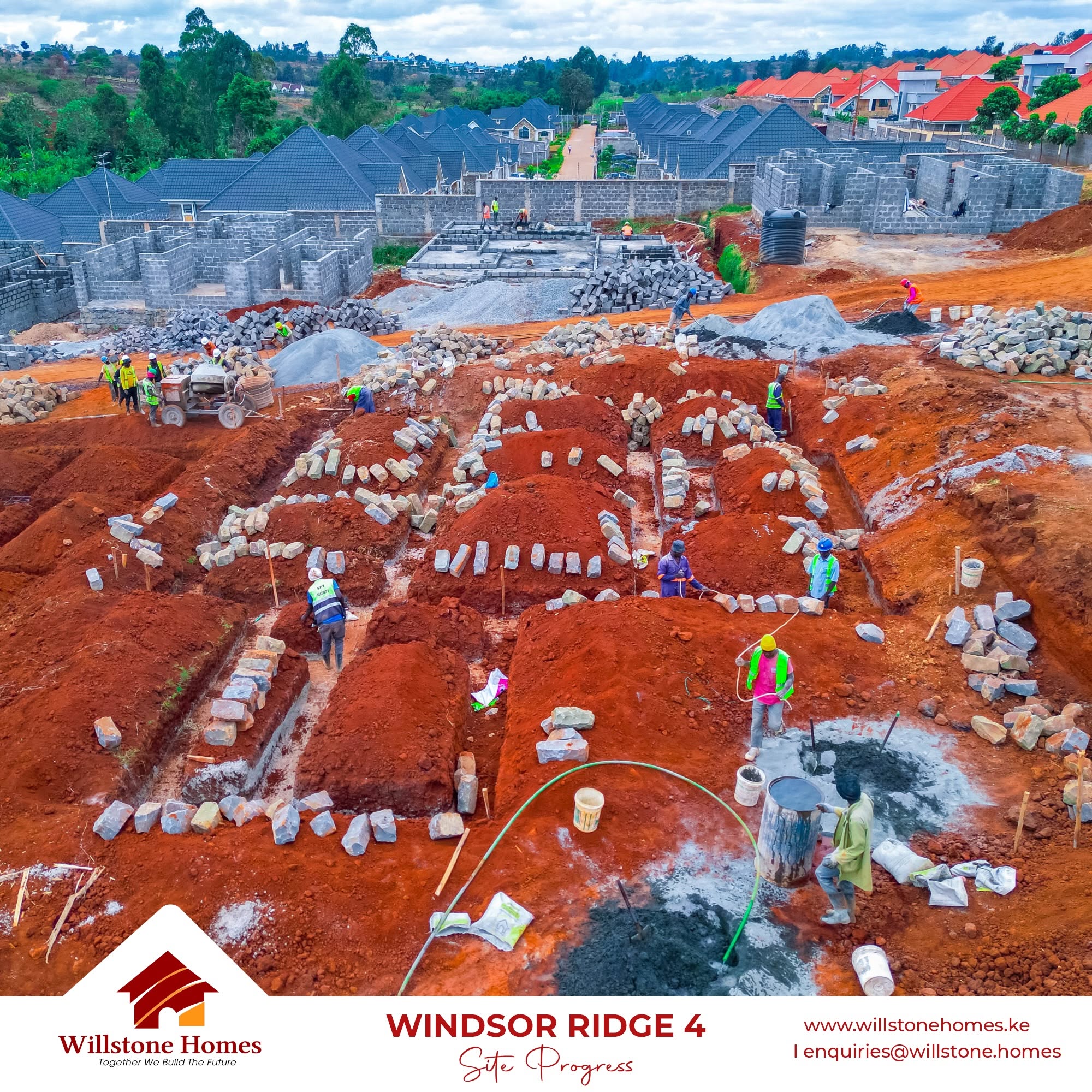
The initial purchase price is only one component of the cost of homeownership.
A property requiring frequent repairs, structural remediation or extensive maintenance can become significantly more expensive over time than a comparable house constructed to appropriate standards.
Defective drainage, leaking roofs, poor waterproofing, inadequate finishes and other construction problems can create recurring expenses. More serious structural defects may require specialist investigations and costly remedial work.
This is why responsible homebuyers should evaluate a property's overall quality and expected maintenance requirements rather than focusing exclusively on the purchase price.
A well-built home can offer greater predictability in maintenance, improved durability and stronger confidence in its long-term use.
7. Choose a Developer Who Prioritises Responsible Homebuilding
The growing national conversation about construction safety reinforces the importance of choosing residential developments carefully.
Buyers should consider a developer's approach to planning, construction supervision, regulatory compliance, quality assurance and customer communication. The availability of relevant documentation and willingness to address reasonable technical questions can also help buyers make more informed decisions.
For developers, construction quality should remain a priority throughout the project, from initial planning and foundation works to structural construction, finishes and final handover.
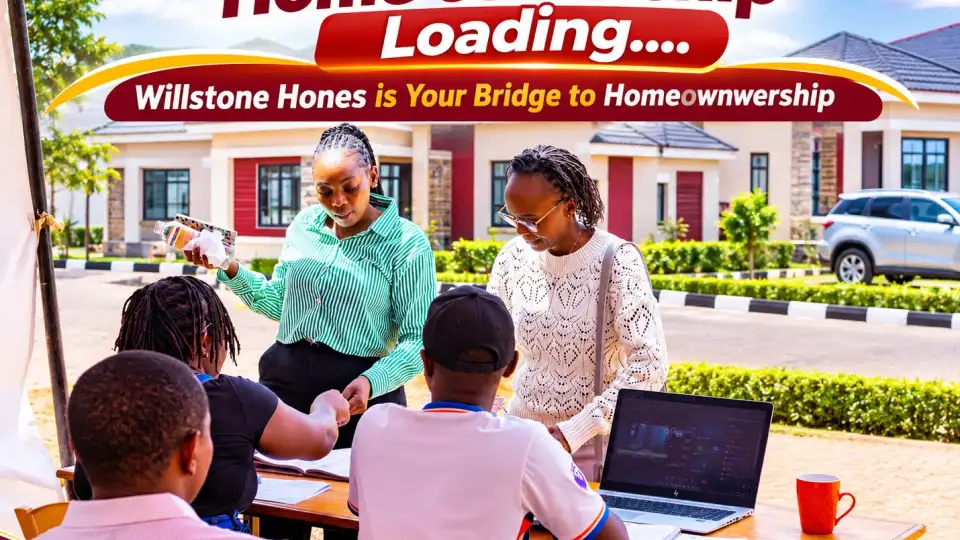
At Willstone Homes, the broader commitment to homeownership goes beyond helping buyers find a property in a desirable location. Responsible property development also involves recognising the importance of construction quality, appropriate professional involvement and compliance with relevant building requirements.
Building Safety Should Be Part of Every Homebuying Decision
The Institution of Engineers of Kenya's call for nationwide inspections has placed construction safety firmly back on the national agenda. While investigations into the recent building collapses will establish the specific circumstances and responsibilities involved, the broader message is relevant to everyone involved in the property market.
For prospective homeowners, it is a reminder that buying a house requires more than identifying an attractive property and arranging financing. It also involves understanding the quality of construction, verifying relevant approvals and seeking appropriate professional advice before making a major investment.
As demand for Homes for Sale in Kenya continues to expand into Nairobi, Kiambu and other residential growth areas, responsible homeownership will increasingly depend on informed purchasing decisions and greater attention to construction standards.
Ultimately, a home should provide more than ownership and financial value. It should offer the confidence, security and peace of mind that come with investing in a property built with the necessary care, professional oversight and commitment to quality.
At Willstone Homes, the journey towards homeownership begins with finding the right property and making an informed decision about the investment that will serve you and your family for years to come.