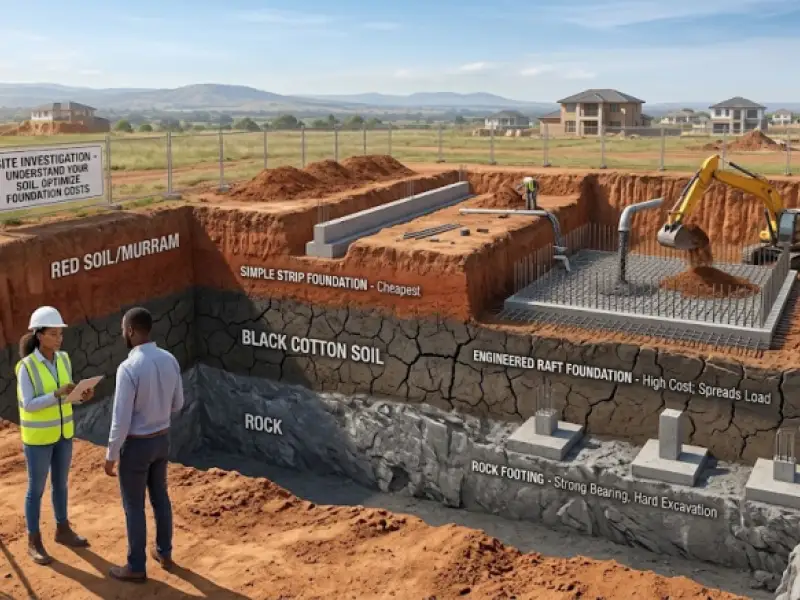
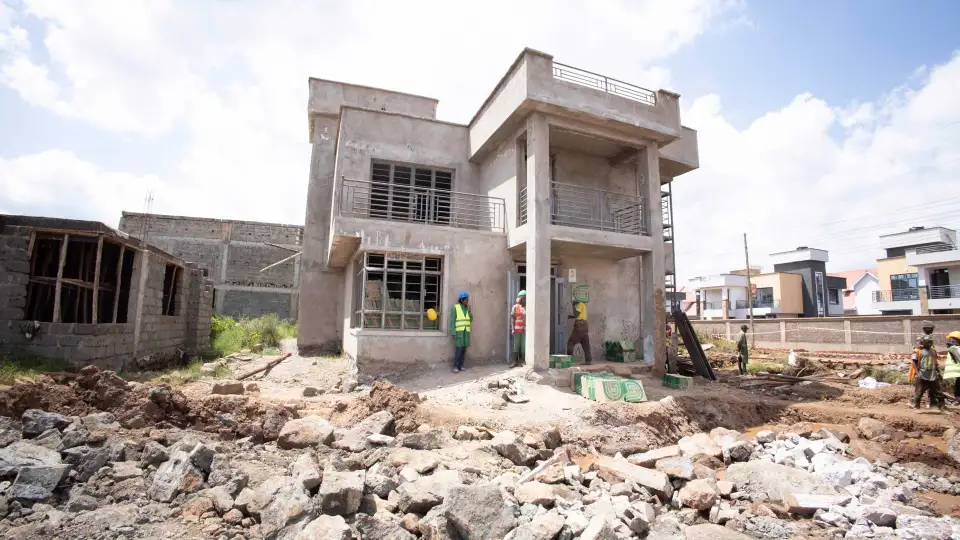
Despite a booming demand for housing, office space, and retail infrastructure, a troubling number of real estate projects in Kenya never reach completion. Drive through Nairobi, Kiambu, or Machakos, and you’ll likely see idle cranes, abandoned apartment shells, and fenced-off plots labeled “Project Coming Soon” for years on end.
Why do so many promising developments collapse before they can deliver on their promise? The answer lies in a mix of legal land entanglements, funding pitfalls, bureaucratic inefficiencies, and developer mismanagement. In this article, we explore the root causes of stalled real estate developments in Kenya—and what stakeholders can do to avoid becoming part of this statistic.
Land Disputes: The Foundation of Frustration
In Kenya, unclear land ownership and overlapping claims remain one of the most common reasons why real estate projects stall. According to the Ministry of Lands, thousands of land parcels across Nairobi, Kisumu, and Mombasa are under active legal dispute.
See what is available now.View homes
Common land issues include:
- Double or fraudulent titles
- Lack of title deeds for ancestral land
- Unregistered leases or easements
- Land control board restrictions, especially for agricultural-to-commercial conversion
When a developer begins construction without thorough due diligence, any claim or court injunction can grind a multimillion-shilling project to a halt—sometimes permanently.
Read Also: What Impact Do High Interest Rates Have on Kenya’s Commercial Real Estate Sector?
Financing Gaps: The Credit Crunch That Kills Projects
Securing capital is a monumental task for most Kenyan developers. While the demand for property remains high, credit access is limited, expensive, and often conditional. Commercial banks in Kenya now lend at an average rate of 13–16%, with strict collateral requirements.
Many real estate projects in Kenya stall because:
- Developers overestimate sales or off-plan deposits
- Banks disburse funds in tranches, contingent on progress
- Rising interest rates inflate project costs mid-construction
- Poor financial planning results in early cash burnouts
In gated communities, business parks, and malls, this can cause mid-project cash crises that leave buildings half-finished and buyers stranded.
Regulatory and Bureaucratic Delays
From approvals by the National Construction Authority (NCA) to county building permits and environmental impact assessments (EIA), Kenya’s regulatory pipeline can be slow, opaque, and inconsistent.
Delays often stem from:
- Unclear zoning or change-of-use requirements
- Inconsistencies in county planning offices
- Extended NEMA approvals or rejections
- Frequent staff changes or bribery expectations
For instance, a mixed-use project in Nairobi’s Kilimani area may wait up to 12 months for zoning change approval, all while incurring holding and consultant costs.
Corruption and Mismanagement
Corruption remains a silent killer in Kenya’s construction sector. Whether through bribes for approvals, kickbacks in procurement, or inflated contractor invoices, misallocated funds can derail timelines and drain budgets.
Additionally, some developers—especially in off-plan schemes—lack experience or misrepresent sales volumes to finance other unrelated projects, leading to:
- Project abandonment
- Delayed handovers
- Legal suits from buyers and financiers
Market Saturation and Overambitious Planning
In fast-developing areas like Athi River, Syokimau, and Juja, developers sometimes launch ambitious projects based on projected population growth or upcoming infrastructure that may not materialize as planned.
Examples include:
- Malls built before population density can support them
- Housing estates priced beyond the local median income
- Mixed-use towers in areas lacking proper access roads or sewer systems
When uptake lags, investors pull out, and project momentum collapses.
Table: Key Reasons Why Real Estate Projects in Kenya Stall
How to Prevent Real Estate Projects in Kenya from Stalling
To address these recurring issues, real estate stakeholders must adopt a more strategic and transparent approach:
Conduct Comprehensive Land Due Diligence
Always verify titles with the Ministry of Lands and cross-check with local registries. Consider hiring a professional surveyor and land lawyer.
Secure Financing Before Groundbreaking
Avoid speculative starts. Instead, confirm full or phased funding agreements with clear exit strategies.
Strengthen Project Governance
Hire certified professionals, including architects, quantity surveyors, and project managers. Use transparent accounting systems and independent audits.
Engage Authorities Early
Work with the county and national agencies from the concept phase. Where possible, pre-submit documentation for feedback.
Educate Buyers on Risk
Especially for off-plan buyers, understanding the risk of project delays or failure can help avoid litigation and loss.
Read Also: Kenya’s Real Estate Sector in 2025: Regulation, Innovation, and the Affordable Housing Surge
A Cautionary Tale for Kenya’s Property Sector
The sight of half-built apartments and abandoned business parks serves as a cautionary tale for all players in real estate projects in Kenya. While the country’s appetite for modern housing and commercial infrastructure remains strong, the structural challenges behind these stalled projects must be addressed with discipline, transparency, and foresight.
Only by confronting land irregularities, improving financial planning, streamlining regulatory processes, and rooting out corruption can Kenya’s real estate sector fulfill its enormous potential—turning more blueprints into completed, thriving developments.