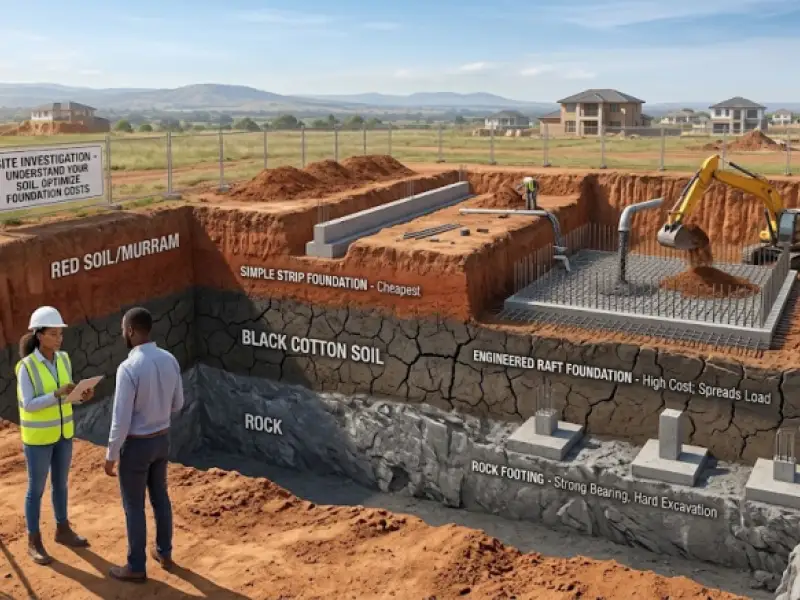
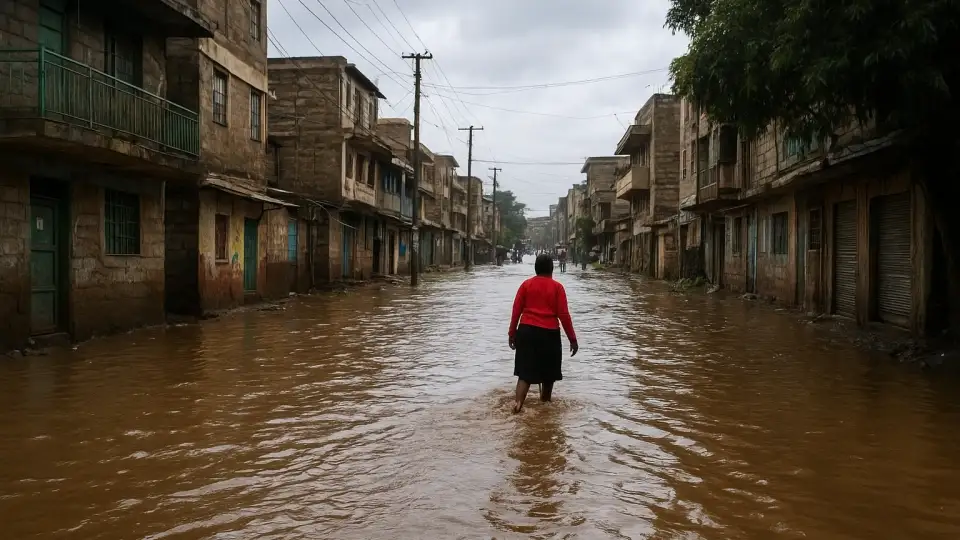
Many property owners blame flooding in gated communities on heavy rain. Yet the reality for estate roads in Nairobi tells a different story. Engineers explain that rainfall is often just the trigger—the true causes lie in design flaws: mismanaged topography, incorrect road gradients, missing culverts, weak soil compaction, and poorly planned runoff channels Nairobi.
In Nairobi’s satellite towns like Kamulu, Joska, Ruai, Ruiru, Kitengela, and Malaa, estates that appear dry for months may suddenly flood during light showers. The culprit is rarely the weather; it’s the estate’s underlying engineering—or lack thereof.
See what is available now.View homes

Natural land slopes dictate where water wants to flow. In urban topography Nairobi, small depressions or valleys can become persistent water traps if the land is flattened for plots or roads. Ignoring these slopes transforms what was once natural drainage into unexpected flood zones.
Even a minor 2–3% slope can prevent stagnation, yet some estates disrupt this gradient entirely, creating low points where water accumulates. This is why residents in Kamulu or Malaa might experience pooling even during moderate rainfall.
Gradient: How Flat Roads Turn Into Water BasinsThe gradient of estate roads is critical. Engineering standards for road construction Nairobi Kenya recommend slopes of 2–5%. Unfortunately, many new estates have gradients below 1%, either due to cost-cutting or aesthetics. Flat roads trap water, saturate surrounding soil, and eventually push it into homes.
The effects of improper gradients are often compounded when paired with other flaws such as blocked drains or misaligned culverts.
Culverts and Runoff Channels: Let Water Flow
Culverts and runoff channels are essential to prevent roads from acting as dams. Inadequate culverts or blocked channels can trap water, turning minor rain events into estate-wide flooding.
Key elements of proper drainage include:
- Culverts spaced correctly to carry water across roads
- Channels sloped gently to guide water out of the estate
- Connections to natural watercourses or county drains
- Clear paths that avoid houses and perimeter walls
Without these measures, roads and compounds become temporary lakes, even with modest rainfall.
Soil Compaction: The Hidden FoundationThe strength of estate roads in Nairobi is only as good as the soil beneath. Proper compaction using heavy rollers ensures the road resists water absorption and maintains stability. Weak compaction leads to potholes, water infiltration, and shifting runoff patterns, all of which exacerbate flooding.
Data Table: Engineering Factors Behind Flooding In Nairobi Estates
Forward-thinking developers now design estates that respect natural slopes, ensure proper gradients, and include mechanized soil compaction. Culverts are treated as structural necessities rather than optional features, and runoff channels Nairobi are carefully aligned with natural or municipal drainage systems. Estates built with these principles maintain dry roads, improve land value, and reduce long-term maintenance costs.
In Nairobi’s competitive property market, plots within well-engineered estates appreciate faster, as buyers increasingly value resilience against flooding.
Rain Reveals, But Doesn’t Cause FloodsThe flooding of estate roads in Nairobi is not a weather problem—it is an engineering problem. Topography mismanagement, insufficient gradients, missing culverts, poor compaction, and blocked runoff channels account for the vast majority of estate water challenges. Rain only exposes these flaws. Developers who respect the hidden science of estate roads create durable, desirable, and flood-resistant estates, ensuring sustainable property value growth for Nairobi homeowners.