

How 3D Printing Could Slash Construction Costs in Kenya by 40% is no longer a theoretical claim. Across the world, 3D-printed homes are being completed in days—not months—while using fewer materials, fewer fundis, and almost zero wastage.
Today, Kenya’s building sector—especially property developers, contractors, and real estate investors in Nairobi—is watching closely as 3D construction Kenya begins gaining momentum. With land prices already high, reducing construction costs is becoming a national priority.
Ready to join a community built on quality, trust, and lasting value? Secure your place in a Willstone Homes estate today — where every home is a legacy in the making
Call us now or visit our offices to book a site visit.
Contact Us
- Park Suites, 44 Parklands Road, Ground Floor, Suite 1, Willstone Homes
- +254711082011
- [email protected]
How 3D Printing Works in Construction
3D construction uses large robotic printers that extrude concrete-like material in layers, forming walls and structural elements directly on-site.
The process removes expensive middle steps such as:
- Costly formwork
- Large teams of fundis
- Excess materials
- Long project timelines
In cities like Nairobi, where automated building systems Nairobi are increasingly being tested by construction tech startups, adoption is accelerating.
Why 3D Printing Can Reduce Costs by Up to 40%
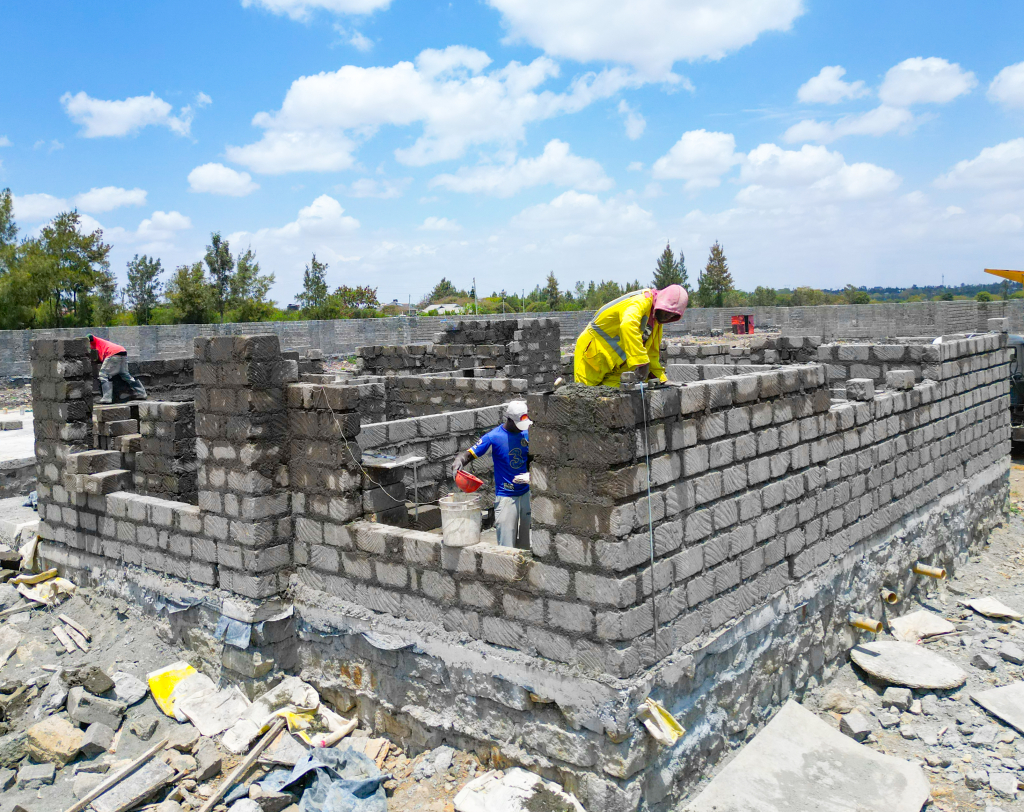
Here is how the technology delivers massive savings:
1. Labour Costs Drop by 50–70%
A traditional project needs dozens of workers.
A 3D printing site normally uses:
- 3–5 technicians
- 1 structural engineer
- 1 machine operator
With fewer fundis needed, wage costs drop dramatically.
2. Construction Time Is Reduced by 60%
A typical 3-bedroom bungalow normally takes 12–16 weeks to build.
3D printing can finish the house structure in 48–72 hours, and the entire home in less than 3 weeks.
Read Also: AI Architects: How Homes in Kenya Will Soon Be Designed by Artificial Intelligence
Shorter project periods reduce:
- Supervisor costs
- Equipment rental
- Cash-flow delays
- Site security expenses
3. Material Wastage Drops to Almost Zero
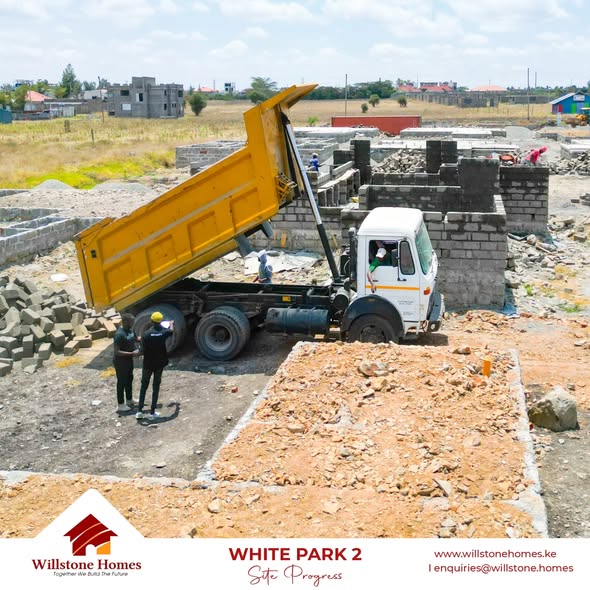
Kenyan projects lose 8–15% of materials through breakages, cutting, trimming, and theft.
3D printing uses precise digital measurements, so nearly every centimetre of material becomes part of the home.
4. Fewer Delays from Weather, Fundi Strikes, or Supplier Shortages
Printed homes don’t rely on dozens of workers showing up daily.
This is a huge advantage in Nairobi’s rainy seasons when most projects stall.
5. Long-Term Maintenance Costs Are Lower
3D-printed walls are:
- Stronger
- Fire-resistant
- Moisture-resistant
- Free from cracks caused by poor workmanship
This reduces renovation costs over the building’s lifespan.
Data Table: Cost Comparison — Traditional Build vs 3D Construction Kenya
| Cost Component | Traditional Build (KSh) | 3D Construction Kenya (KSh) | Savings |
|---|---|---|---|
| Labour | 900,000 – 1,500,000 | 300,000 – 550,000 | 55–70% |
| Materials | 1,200,000 – 1,800,000 | 900,000 – 1,200,000 | 25–40% |
| Timeline | 12–16 weeks | 1–3 weeks | 60–80% faster |
| Total Cost | 3.5M – 4.5M | 2.2M – 2.8M | Up to 40% cheaper |
(Values are realistic 2025 Nairobi–Kenya construction estimates.)
Where 3D Printing Fits Best in Kenya’s Housing Market
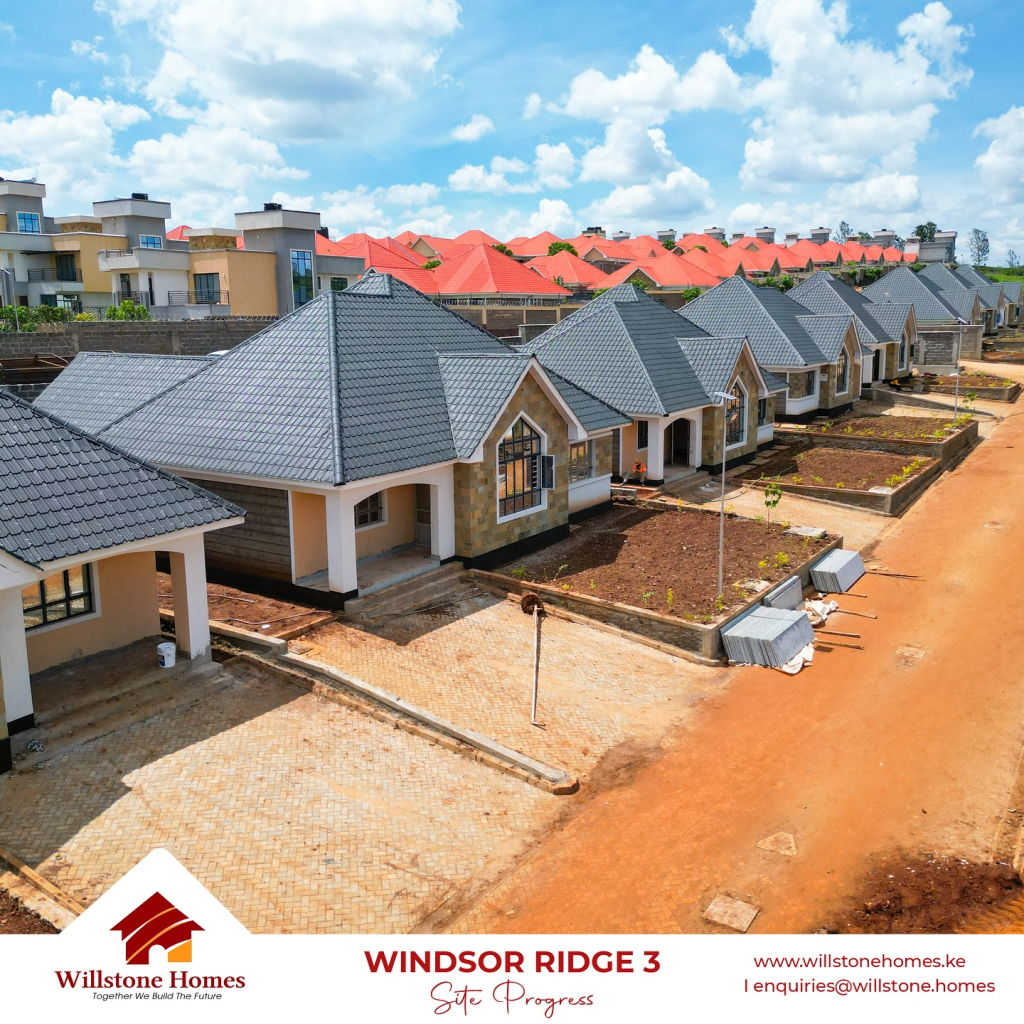
This technology is especially useful for:
- Affordable housing Kenya
- Low-cost rental units
- Smart bungalows
- Disaster-resilient homes in flood-prone counties
- Mass housing developments by real estate developers Kenya
- Rural building projects where fundis are scarce
Challenges Slowing Down Adoption
Even with huge potential, Kenya faces hurdles:
1. Lack of Local 3D Construction Regulatory Standards
Government approval processes are still built around traditional masonry.
2. High Initial Cost of 3D Printers
Printers can cost KSh 25M–60M, though spreading this over multiple projects makes it profitable.
3. Limited Skilled Technicians
Kenya needs more training institutions offering automated construction courses.
4. Skepticism Among Traditional Contractors
Many fundis and property owners are still unfamiliar with the technology.
Read Also: Why Modern Kenyan Bungalows Are Switching From Gypsum to Acoustic Wood Panels
The Future: Automated Building Systems Nairobi Leading the Way

Nairobi, being the heart of automated building systems Nairobi, is expected to become the first Kenyan city with a large-scale 3D-printed estate.
Universities, private developers, and tech firms are already exploring:
- 3D-printed walls
- Robotic material mixing
- Fully automated house planning
- Digital architectural design workflows
If Kenya embraces this innovation, How 3D Printing Could Slash Construction Costs in Kenya by 40% will become reality—not theory. With soaring material prices and rapid urbanization, 3D construction Kenya stands out as one of the most practical solutions for building affordable, durable, and fast homes.
And as automated building systems Nairobi mature, the entire construction industry—from architects to property investors—will benefit from lower costs and higher efficiency.