

Kenya’s real estate sector demonstrated resilience in 2025, maintaining growth momentum despite significant headwinds. The market’s strength was supported by strong housing demand, government-led affordable housing initiatives, improved mortgage financing, and sustained retail and commercial activity. Yet, behind the growth figures lies a less visible story of social displacement and inequality, captured in the book Peasants to Paupers: Land, Class and Kinship in Central Kenya by Dr. Peter Lockwood. Together, the data and the human narrative reveal a sector that is booming—but not without cost.
1. Real Estate Growth Despite Construction Slowdown
GDP Contribution Shows Strength
The real estate sector’s contribution to Kenya’s GDP increased in 2025, signalling sustained demand and transaction activity.
Read Also: Kenyan Investors Going International: A Deep Dive Into Offshore Property Investments
| Indicator | Q2 2024 | Q2 2025 | Change |
|---|---|---|---|
| Real estate GDP contribution | KSh 339.2 billion | KSh 364.6 billion | +7.5% |
| Real estate share of GDP | 8.1% | 8.1% | No change |
| Construction share of GDP | 8.7% | 5.0% | -3.7% |
| Combined Real estate + Construction share | 19.1% | 15.3% | -3.8% |
Interpretation:
While construction slowed significantly, real estate transactions and value appreciation continued to grow, allowing the sector to remain bullish. This divergence reflects a market where value is increasingly driven by land and housing demand, not construction activity alone.
2. Affordable Housing Programme (AHP) as the Main Growth Engine
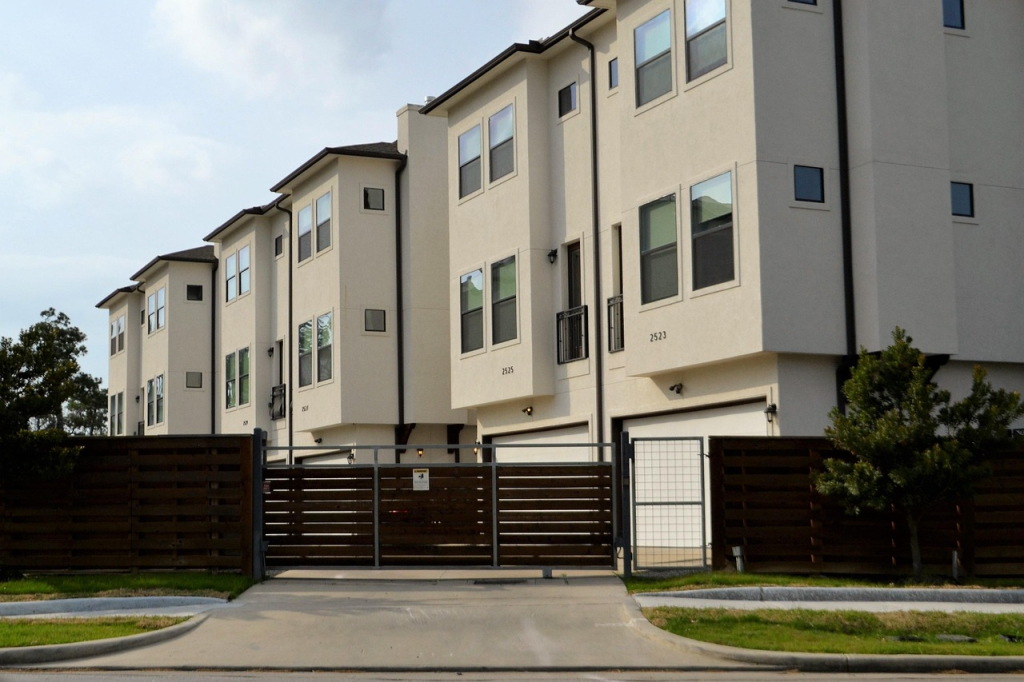
The government’s Affordable Housing Programme continued to drive real estate activity, particularly in urban and peri-urban areas. As of 2025, the Architectural Association of Kenya reported:
- 307 ongoing housing projects
- 214,000+ housing units under development
- 77% of units under AHP
- 10% student housing
- 7% institutional staff housing
- 6% private projects benefiting from VAT exemptions
Why AHP Kept the Market Bullish
The Affordable Housing Act of 2024 introduced a dedicated levy to finance the programme, which improved predictability and liquidity for developers. Additionally, county governments and private developers collaborated to unlock land and fast-track approvals, accelerating project timelines.
In short: AHP created a reliable pipeline of demand and construction activity even when private development slowed.
Read Also: Kenya’s Industrial Real Estate Breakthrough as Global Fund Takes 33% REIT Stake
3. Mortgage Financing Became More Accessible
The Kenya Mortgage Refinance Company (KMRC) played a key role in maintaining demand in 2025. By Q3 2025:
- KMRC expanded eligibility to include non-shareholder SACCOs and microfinance banks
- It continued to offer long-term, single-digit refinancing
- Bond issuances helped maintain liquidity in the mortgage sector
Impact:
Lower mortgage rates and increased access helped low- and middle-income earners continue to purchase homes, supporting housing demand despite broader economic pressure.
4. Retail, Commercial and Tourism Sectors Fueled Demand
Kenya’s position as a regional business hub and growing tourism sector created continued demand for:
- offices
- apartments
- retail spaces
- hospitality properties
Key observations:
- Major retail chains expanded aggressively in 2025
- Visitor arrivals increased sharply (52.2% in Q3 2025)
- Nairobi ranked 6th in Africa for planned hotel rooms, with 4,344 rooms in pipeline
What This Means
Even with oversupply in some segments, demand for quality, well-located commercial property remained strong, supporting real estate growth.
5. Key Challenges: Oversupply, High Financing Costs, and NPLs
Despite the bullish performance, several structural issues remained:
| Challenge | Data / Evidence | Implication |
|---|---|---|
| Office & retail oversupply | Higher vacancy rates | Pressure on rental yields |
| High borrowing costs | Cost of capital remains elevated | Slower private construction |
| Rising NPLs | Non-performing loans reached 17.6% in June 2025 | Strains mortgage & construction financing |
| REIT market weakness | Subdued due to regulation and capital needs | Limited institutional investment |
The Hidden Story: Human Cost Behind the Boom

While the numbers show a bullish sector, Dr. Peter Lockwood’s Peasants to Paupers highlights the social consequences of rapid real estate expansion—especially in Kiambu County, where farmland is being converted into estates and malls.
Key Human Impact Themes
- Land prices surged, turning farmland into high-value assets.
- Families sold ancestral land for cash, sometimes as a last resort.
- Sons and younger generations were left landless.
- Traditional livelihoods were disrupted, replaced by informal or unstable work.
- The boom intensified wealth inequality and social displacement.
Read Also: Same House, Bigger Budget: Why Building a Home in Kenya Is Costing More Than Ever
Why This Matters for the Market
The book demonstrates that Kenya’s real estate boom is not just a market phenomenon—it is a social transformation that redefines the relationship between land, family, and economic security.
Bullish but Uneven Growth

Kenya’s real estate sector remained bullish in 2025 because it was driven by:
- Government-backed affordable housing
- Improved mortgage access
- Retail and commercial expansion
- Strong demographic demand
- Tourism-related property growth
However, the sector’s growth came with a trade-off: social displacement and rising inequality. The real estate boom has created wealth for some, while eroding land-based security for others—especially in peri-urban counties like Kiambu.
Kenya’s real estate market in 2025 was resilient, but the question remains: Can growth be sustained without addressing the social cost of rapid urban expansion?