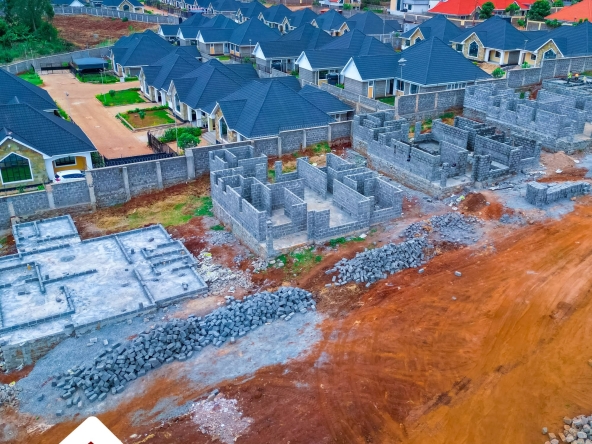

When searching for gated community homes in Kenya, buyers often begin with the number of bedrooms, the size of the house, the finishes and the asking price. These are important considerations, but they do not tell the whole story.
A home can have beautiful interiors and still feel inconvenient once everyday life begins. Sometimes, the difference is found outside the house—in the compound.
The compound is where family routines unfold before and after entering the living room. It is where children play, vehicles are parked, visitors arrive, deliveries are received and outdoor conversations take place. It is also where privacy, security, storage and practical household activities must coexist.
For anyone considering homes for sale in Nairobi and Kiambu, the compound deserves the same attention as the kitchen, bedrooms or living area. It is not merely the space surrounding a house. It is part of the home’s design, functionality and long-term value.
Read Also: Why Your Property Isn’t Selling: 6 Critical Checks Before You Slash the Price
1. Parking: Does the Compound Accommodate Your Real Life?
A property may be advertised with parking, but the more useful question is whether the parking arrangement suits the household.
A couple with one vehicle may have different needs from a growing family with two cars, frequent visitors or a domestic worker who arrives early each morning. Some households also need space for motorcycles, bicycles, deliveries or occasional gatherings.
The position of the parking area matters as well. Is it easy to access? Does parking interfere with children’s play? Does a visitor’s vehicle block the family car? Is there enough room to open doors comfortably and move around safely?
These details may seem minor during a property viewing, but they become part of everyday life. A well-planned compound should make arrival and departure feel straightforward rather than turning them into a daily exercise in manoeuvring.
When evaluating gated community homes in Kenya, buyers should therefore look beyond the number of parking spaces and consider how those spaces work in practice.
2. Outdoor Space: Is There Room to Breathe?
Outdoor space is often treated as a decorative feature. A lawn, a few plants and a paved walkway can make a property attractive in photographs. But a useful compound should do more than look good.
It should provide opportunities for relaxation, family interaction and practical outdoor activities.
A shaded area may become the place where a family enjoys tea in the evening. A small garden can give children room to explore. A veranda can become a comfortable meeting point for visitors. Even a modest outdoor area can add significant value when it is designed around how people actually use it.
The important question is not simply, “How large is the compound?” It is, “What can this compound comfortably accommodate?”
A smaller, well-planned outdoor space may be more useful than a larger one that is difficult to maintain or poorly connected to the house.
For buyers considering family homes in Kenya, outdoor space should be assessed as part of the household’s lifestyle rather than as an optional luxury.
3. Privacy: Can Different Activities Happen at the Same Time?
A home is shared by people with different routines. One family member may be working, another receiving visitors, while children are playing outside. A good compound helps these activities coexist without unnecessary conflict.
Privacy is not only about high walls or gates. It is also about how the house relates to the road, neighbouring properties, parking area and outdoor spaces.
Can visitors arrive without passing directly through private family areas? Can children play without being constantly exposed to passing traffic? Is there a comfortable place for outdoor conversations away from bedroom windows?
These questions become especially important in modern gated communities in Kenya, where homes are often designed close to one another.
A well-considered compound can create a sense of separation without making the home feel closed off. Landscaping, thoughtful positioning of entrances and appropriate screening can all contribute to a more comfortable living environment.
4. Children’s Play: Is the Compound Designed for Growing Families?
For families with young children, the compound can become an extension of the living room. It is where children run, ride bicycles, play games and spend time outdoors.
However, not every open space is suitable for play. A practical family compound should consider visibility, safety, surface materials, vehicle movement and the relationship between the play area and the main house.
Parents may want to supervise children while preparing meals, working or relaxing. A compound that allows reasonable visibility between indoor and outdoor spaces can make this easier.
As children grow, their needs also change. A space that works for toddlers may later become an area for sports, hobbies, study breaks or family gatherings.
This is why buyers should consider not only how the compound looks today, but also how it may serve the family several years from now.
Read Also: Why You Should Visit an Off-Plan Property Site Before You Buy
5. Visitors: Does Your Home Welcome People Comfortably?
A home is not only a private retreat. For many Kenyan families, it is also a place where relatives, friends, neighbours and colleagues are welcomed.
The compound plays an important role in that experience.
Where do visitors park? Is the entrance easy to find? Can guests move from the gate to the front door without disturbing private activities? Is there enough outdoor space for a small gathering, or does every visit immediately place pressure on the indoor living area?
These questions are particularly relevant for homeowners who enjoy hosting family celebrations, church friends, weekend visitors or business acquaintances.
A well-planned compound does not need to be enormous to be welcoming. It simply needs to make movement, arrival and interaction feel natural.
6. Domestic Work: Has Practical Living Been Considered?
Domestic work is an important part of how many homes function, yet it is often overlooked when buyers focus on appearance.
Laundry, drying clothes, waste disposal, deliveries, gardening and other household activities all require space and sensible movement.
A compound should ideally allow these practical tasks to happen without interfering with the family’s main outdoor areas. For example, a drying area that is poorly positioned may affect the appearance and usability of the compound. Waste storage that is difficult to access can create unnecessary inconvenience. Deliveries that require vehicles to cross the entire compound may disrupt family activities.
The best modern homes in Kenya are not necessarily those with the most elaborate landscaping. They are those where practical needs have been considered alongside beauty.
A home should look good, but it should also work well on an ordinary Tuesday morning.
7. The Compound Test: Imagine an Ordinary Day
During a property viewing, it is easy to focus on the excitement of ownership. Buyers may imagine decorating the living room, choosing furniture or hosting a housewarming celebration.
But the compound test asks a different set of questions:
What happens when two vehicles arrive at the same time? Where will children play after school? Where will visitors sit outdoors? Can someone work quietly while another family member receives guests? Where will laundry be handled? How will the compound feel during heavy rain? Will the outdoor spaces remain useful as the family grows?
These questions help buyers evaluate a property based on real life rather than first impressions.
They also reveal why two homes with similar floor areas can offer very different living experiences. The difference may lie in the arrangement of the compound, the relationship between spaces and the thought given to everyday routines.
Read Also: A Beautiful House Is Not Enough: The Five Things That Make a Home Work for a Family
A Home Should Support the Life You Want to Live
The compound is often the first part of a property that visitors experience and one of the most frequently used spaces by the people who live there.
It should support movement, privacy, relaxation, family interaction and practical household needs. It should also leave room for the unexpected moments that make a house feel like home: children playing after school, relatives arriving for the weekend, a quiet evening outdoors or a family gathering under the shade.
At Willstone Homes, the conversation about homeownership should go beyond the number of rooms and the appearance of a building. A truly valuable home is one that fits the way a family lives today while allowing room for tomorrow.
Because the real test of a home is not only how it looks when you first see it.
It is how well it works when life begins.