

Investing in land is often touted as one of the safest and most reliable strategies for building long-term wealth. On paper, the formula appears simple: buy a parcel of raw land, hold it as land appreciation occurs, and sell it later for a massive profit. However, many real estate investors quickly discover that a property offering high paper profits can turn into a financial burden in reality.
When evaluating land, simple spreadsheet projections frequently ignore crucial real-world friction. Understanding how transaction costs, severe holding delays, and limited resale demand impact your bottom line is essential to avoiding a costly investment mistake.
The Illusion of High Returns on Paper
A classic land investment pitch often highlights low acquisition costs and projected double-digit annual appreciation. Because land requires no immediate tenant management, maintenance of physical structures, or roof repairs, investors assume overhead will remain minimal.
However, paper profits fail to account for cash drag, carrying costs, and illiquidity. While a plot purchased for KES 6,487,705 and projected to sell for KES 12,975,410 in five years looks like a 100% return on investment, the actual net yield can drop significantly—or turn negative—once real-world costs and friction take effect.
1. How Transaction Costs Erode Net Returns
One of the largest discrepancies between theoretical gains and actual profits comes from hidden or understated transaction costs. Buying and selling land involves fees at both ends of the transaction cycle.
- Acquisition and Closing Costs: Purchasing land requires title insurance, legal representation, environmental assessment reports, and precise land survey costs to establish property boundaries.
- Disposition and Brokerage Fees: Selling raw land is typically harder than selling residential homes, often requiring specialized real estate land brokers who charge higher commission rates (sometimes 6% to 10%).
- Taxes and Transfer Fees: Local property tax, transfer taxes, and capital gains tax further chip away at the final sales price.
When factoring in these closing and disposition expenses, an investor can easily lose 15% to 20% of the total deal value purely to fees, turning an apparently lucrative profit margin into a mediocre gain.
2. The Compounding Burden of Delays and Holding Costs

Time is the ultimate variable in determining your actual internal rate of return (IRR). A gain of KES 6,487,705 over two years represents an excellent return; that same KES 6,487,705 gain realized over twelve years is a substantial underperformance when accounting for inflation and opportunity cost.
Holding delays severely dampen returns in several ways:
- Zoning and Entitlement Delays: Converting land for commercial or residential use requires approvals, public hearings, and zoning compliance. Navigating local bureaucracy and obtaining permits can take years longer than expected.
- Ongoing Carrying Costs: Every month land sits undeveloped or unsold, the owner must pay ongoing property tax, insurance, and potentially district maintenance assessments without generating rental income or cash flow.
- Infrastructure and Utility Access: Bringing essential utilities—such as water, sewage, electricity, and paved road access—to a vacant plot often involves costly municipal reviews and construction delays that stall development plans.
3. Limited Resale Demand and Illiquidity Risks
Unlike residential real estate or publicly traded stocks, land is an inherently illiquid asset. If market conditions change or local economic growth slows down, finding a qualified buyer can take months or even years.
- Narrow Buyer Pool: The pool of buyers for vacant land is far smaller than for move-in ready homes. Most buyers require financing, but securing a land loan or construction financing from lenders is significantly harder due to strict underwriting rules and higher down payment requirements.
- Market Downturn Vulnerability: During economic downturns, speculative land is usually the first asset class to lose liquidity and demand.
- Price Concessions: To exit a stagnant land investment, sellers are frequently forced to offer deep price discounts or provide flexible seller financing terms, further cutting into expected returns.
Read Also: Stamp Duty Exemption for Land in Kenya: What Buyers Should Know
Key Strategies to Avoid Land Investment Pitfalls
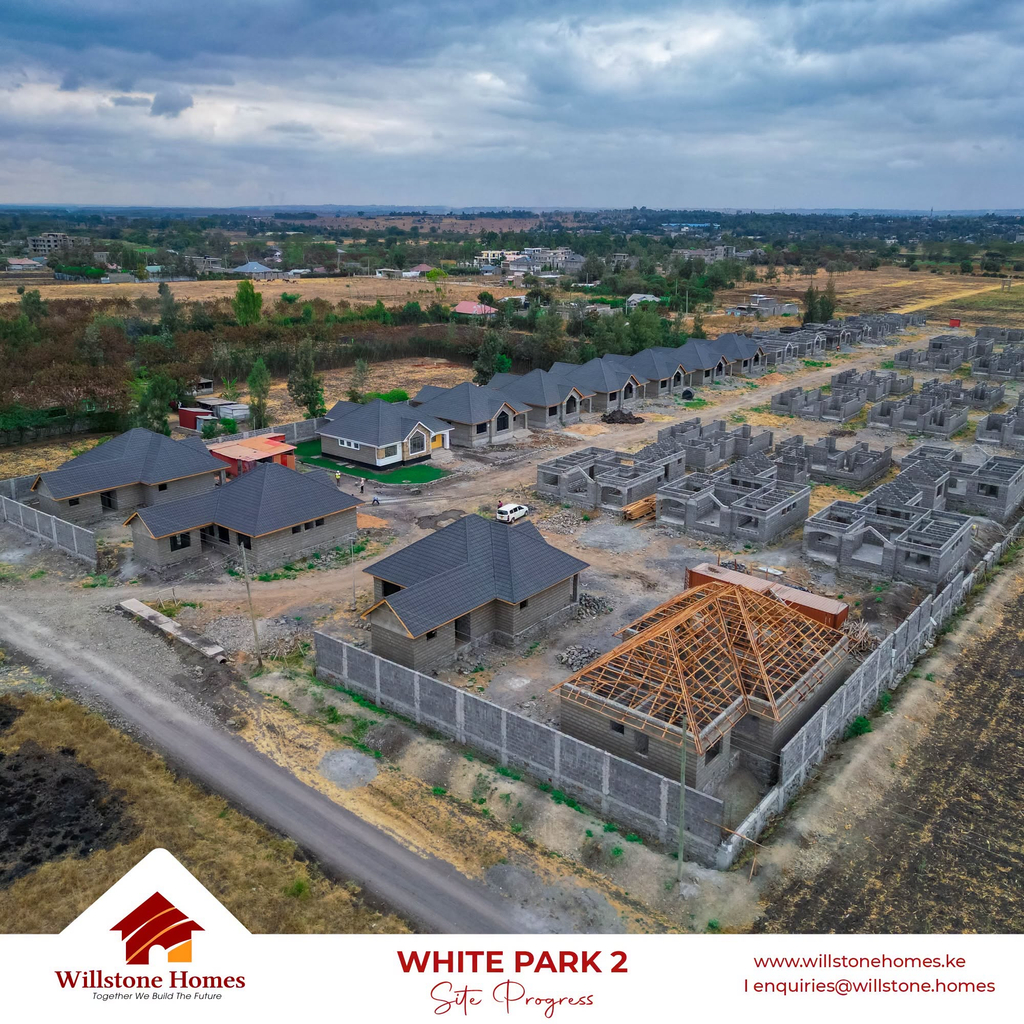
To ensure a land deal remains profitable off the paper and in real life, investors should adopt a disciplined evaluation framework:
- Conduct Rigorous Due Diligence: Always verify zoning laws, soil quality, environmental constraints, flood zones, and easement rights before placing a deposit.
- Calculate Full Carrying Costs: Model conservative scenarios that factor in property taxes, insurance, survey costs, and a minimum 3-to-5-year hold period with zero cash flow.
- Assess Infrastructure Availability: Confirm the proximity and expense required to connect water and sewer lines, power grids, and access roads.
- Analyze Local Market Absorption: Evaluate recent comparable land sales, local population growth, and regional demand drivers to gauge true liquidity.
Final Thoughts
A land deal that looks highly profitable on paper can easily fail in real life if you overlook the drag created by high transaction costs, unexpected development delays, and limited resale demand. By looking beyond top-line appreciation and modeling real-world friction, real estate investors can make smarter capital allocations and avoid trapping funds in unyielding parcels of earth.
Would you like me to tailor this article for a specific audience (such as residential lot buyers, commercial developers, or rural land investors), adjust the word count, or format it into a downloadable document?