
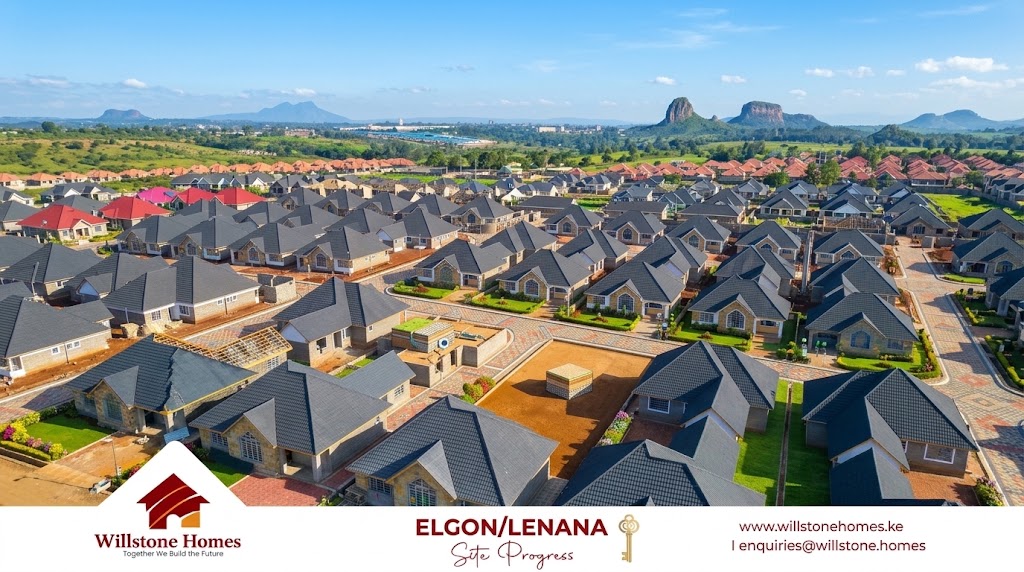
Everyone notices the compound. It’s the first thing a visitor sees and the first thing a buyer judges, but it’s often the last thing in the building budget. Then the rains arrive, the car slides on the driveway, shoes carry mud into the house and water settles against the foundation.
Choosing between cabro, murram and grass is not just about looks. Each one handles rain differently, costs different amounts to install and maintain, and changes where your water goes. Here’s how to choose for a home in Nairobi or Kiambu County.
The quick comparison
| Cabro paving | Murram | Grass lawn | |
|---|---|---|---|
| Typical cost | About KSh 1,200-2,800/m² installed; plain often KSh 1,400-1,800 | About KSh 200-400/m² for a compacted layer | About KSh 200-350/m² (Kikuyu), KSh 300-600/m² (Arabica or Paspalum) |
| Mud in the rains | Very little | Highest risk of mud and ruts | Soft ground if heavily used |
| Drainage | Water runs off, so you must plan where it goes | Water soaks in, but can wash the surface away | Absorbs rain well |
| Upkeep | Low, but repairs if the base fails | Regular regrading and topping up | Watering, mowing and weeding |
| Best for | Driveways, parking, paths | Service areas, temporary tracks, base layers | Open areas, play space, softening edges |
Prices vary by supplier, block thickness, location and site conditions, so treat these as ballparks and get several quotes.
Cabro: neat and durable, but it changes your drainage
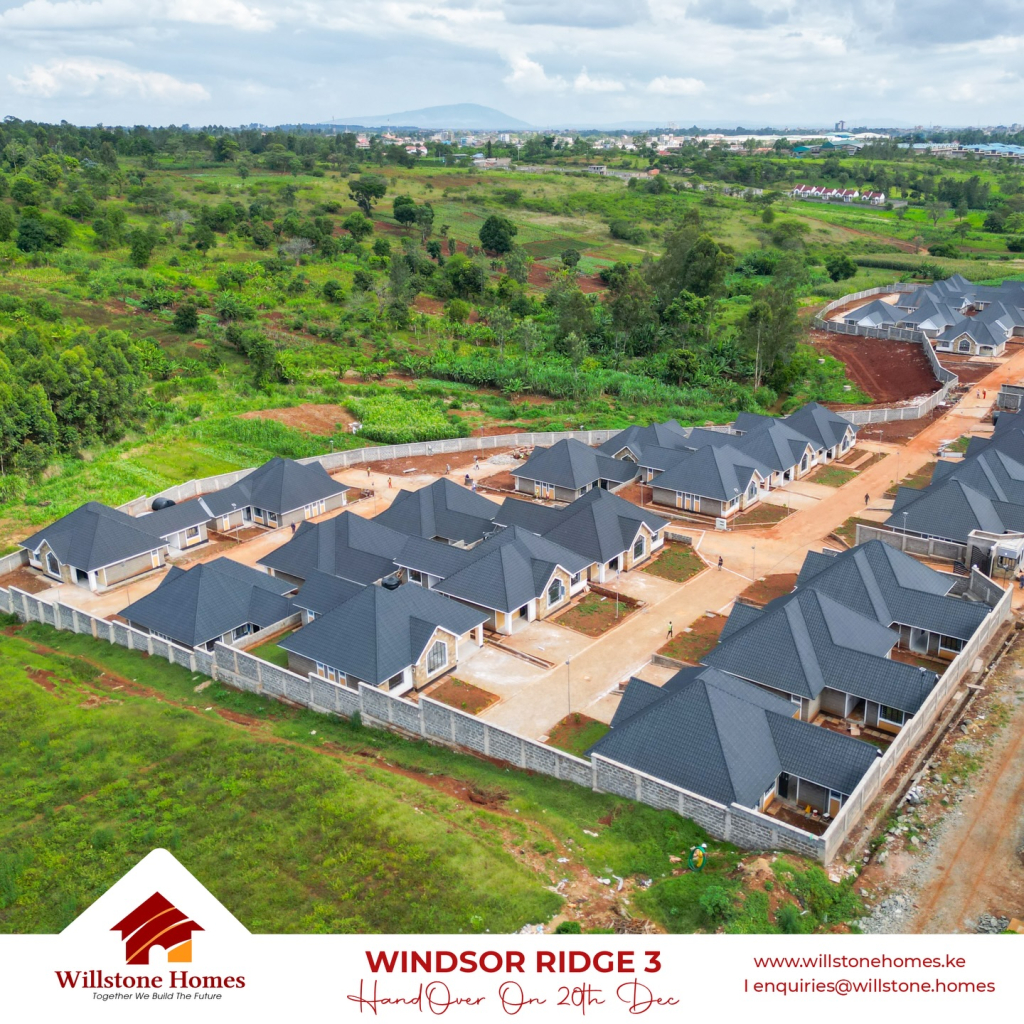
Cabro blocks are interlocking concrete pavers, and they’ve become the standard driveway finish in estates and gated communities around Nairobi and Kiambu.
What you pay: Cabro installation is commonly quoted at roughly KSh 1,400-1,800 per square metre for plain blocks, including base, sand, compaction and labour. Coloured or patterned blocks cost more, often KSh 1,800-3,200 per m². You’ll need around 45-50 blocks per square metre.
Thickness matters: Pedestrian paths can use 50 mm blocks, while residential driveways generally benefit from 60-80 mm.
The catch is water. Once the ground is covered with blocks, rain no longer soaks in as it did, so surface runoff increases. That water has to go somewhere: into a drain, a soakaway or onto a lawn. If you pave without planning that, you may end up with pooling at the gate or water running toward the house. A gentle slope of around 1-2% helps prevent pooling.
What decides whether cabro lasts:
- The base. Poor ground preparation is the main reason pavers sink, rock or go uneven. A compacted layer of hardcore or murram under the blocks is essential.
- Edge restraints. Blocks need a firm edge, such as a perimeter wall, kerbstone or concrete edge, to stop them shifting when cars turn or water flows.
- Compaction. Soft spots collapse over time, and a weak base shows up fast once the ground is saturated.
Installers warn that a badly laid driveway can start cracking and sinking within a couple of rainy seasons. Ask who will do the base work, not just who will lay the blocks.
Murram: cheap and permeable, but messy
Murram is the budget option. A compacted layer typically costs a fraction of paving, and it lets water soak into the ground, which suits plots still under construction or areas where heavy trucks come and go.
The downsides: In heavy rain, murram can turn muddy and rut under vehicles, and runoff can wash fines away, leaving potholes and gullies. In dry weather, it creates dust. It needs regular regrading and topping up, and unpaved surfaces can look unfinished to buyers.
Where it works best:
- Temporary construction access
- Service areas and back compounds
- As the compacted base under cabro (fine murram, a murram-mix known locally as “mchongo” and hardcore are commonly used for bases)
Grass: soft and absorbent, but it needs care
A lawn soaks up rain, keeps dust down and softens the look of a compound. It’s also the cheapest way to cover large open areas.
Kikuyu vs Arabica: Kikuyu is popular because it’s fast-growing, hardy, tolerates foot traffic and suits well-drained highland soils. It’s also cheaper, around KSh 200-350 per m² installed. Arabica (Zoysia) and Paspalum grasses look finer and feel softer, but cost more, roughly KSh 300-600 per m², and can be more demanding.
Trade-offs: Grass needs watering in dry spells, regular mowing and weed control. It doesn’t suit areas where cars park daily, since tyres kill it and leave mud. Also, bare, dry or dead grass can erode just like bare soil.
The middle path: grass pavers
If you want something between paving and lawn, grass pavers or lawn grates are perforated concrete blocks with openings for grass, commonly priced from around KSh 800-1,500 per m² for the blocks alone, with base and installation extra. They hold vehicle weight while letting water soak in, which can reduce runoff. They still need a well-compacted, properly graded base and edge restraints, or they’ll shift and sink.
Drainage is the real decider
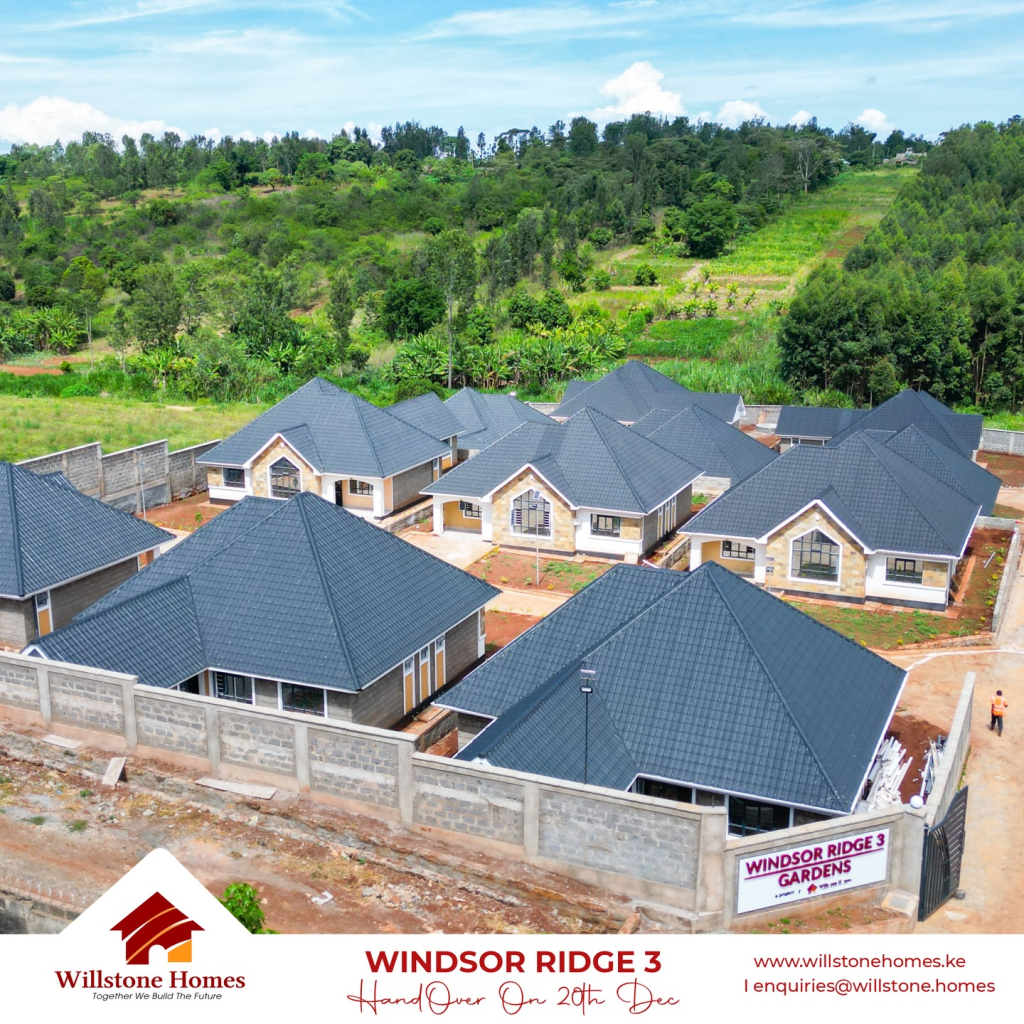
Whichever surface you pick, ask: where does the water go? If your plot slopes toward the house or a neighbour, the choice of surface won’t fix that.
- Slope paved areas gently away from the house, ideally toward a lined drain or soakaway.
- Keep paving to what you need. A lawn or planted area absorbs rain and eases pressure on your drains.
- Don’t direct runoff onto neighbours or onto the road without checking your options.
- Keep septic tank lids and manholes accessible. Don’t pave over them, and don’t bury the soak pit under impermeable surfaces.
See our posts on plot slope and storm drains and why septic tanks fill faster in the rainy season for more on how water moves across your compound.
A practical mix for a typical plot
For a standard residential plot, many homeowners combine surfaces:
| Area | Suggested surface |
|---|---|
| Main driveway and parking | Cabro, with a compacted base and edge restraints |
| Pedestrian paths | Thinner cabro or stepping stones |
| Open front or play area | Kikuyu or similar lawn |
| Back compound / service area | Compacted murram or gravel |
| Overflow parking | Grass pavers |
Illustrative budget: A 60 m² driveway in plain cabro at KSh 1,400-1,800 per m² would cost roughly KSh 84,000-108,000. A 150 m² Kikuyu lawn at KSh 200-350 per m² is roughly KSh 30,000-52,500. A 60 m² compacted murram area at KSh 200-400 per m² is around KSh 12,000-24,000. These are my calculations from the ranges quoted above, so get written quotes for your actual site.
Contractors estimate that a full compound makeover on a standard 50×100 plot (about 450 m²), with a cabro driveway, lawn, hedges and a feature tree, typically runs about KSh 200,000-550,000.
Read Also: Stamp Duty Exemption for Land in Kenya: What Buyers Should Know
Mistakes to avoid
- Skipping or skimping on the base. This is the biggest cause of sinking cabro.
- No edge restraints. Blocks creep outward and become trip hazards.
- Paving everything. You’ll push all that rainwater somewhere else.
- No drainage plan. Pooling near the house or gate is a design problem, not bad luck.
- Choosing the cheapest quote without checking the base work. Ask what depth, material and compaction method they use.
- Covering access points. Keep manholes, septic lids and water meters reachable.
Viewing a house or plot? Check the compound
When comparing houses for sale in Nairobi, a bungalow or maisonette in Kiambu, or a home in a gated community, look closely at the compound:
- Are the cabro blocks wavy, sunken or loose at the edges?
- Is there standing water days after rain?
- Are there muddy ruts, washed-out sections or gullies?
- Does the surface slope toward the house?
- Where does the driveway’s rainwater go?
- Is there a visible drain, and is it clear?
Compound problems can point to deeper drainage or base issues that are expensive to fix after you’ve paid for the property.
Frequently asked questions
How much does cabro paving cost in Kenya in 2026?
Typically around KSh 1,200-2,800 per square metre installed, with plain blocks commonly KSh 1,400-1,800, depending on block type, thickness, pattern and site preparation.
Is murram good for a driveway?
It’s cheap and lets water soak in, but it can turn muddy, rut and erode in heavy rain, and needs regular regrading. It works better as a base or for service areas than a showcase driveway.
Which grass is best for a compound in Nairobi or Kiambu?
Kikuyu is hardy, tolerates foot traffic and is cheaper. Arabica and Paspalum look finer but cost more and need more care.
Does cabro cause flooding?
It can increase surface runoff because water no longer soaks through the surface. Plan slopes, drains or soakaways, or consider permeable options such as grass pavers.
What thickness of cabro should I use for a driveway?
Generally 60-80 mm for residential driveways, and 50 mm is fine for pedestrian paths.
Can I use cabro on black cotton soil?
It depends on ground preparation and site conditions, so get advice from a contractor or engineer experienced with expansive soils, and don’t skimp on the base.
Do I need to dig up murram before laying cabro?
You need a properly prepared, compacted base. Many installers use murram or hardcore as the base, but the preparation, depth and compaction matter more than the material alone.
This article is general information, not engineering advice. Prices are indicative and change with supplier, location and market conditions. Always get current written quotes.