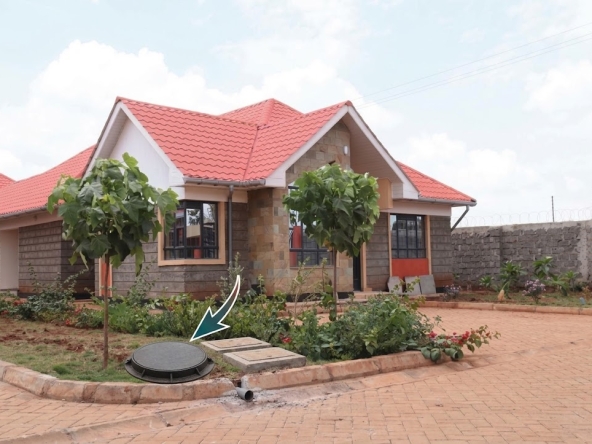

Buying a house in a gated community is a major milestone. However, the shift from renting to homeownership involves more than taking over a title deed and moving into a new compound. It requires a fundamental shift in perspective: transitioning from a tenant mindset to an estate governor.
When you rent, estate management, security, utility maintenance, and common-area upkeeps are someone else’s concern. If a streetlamp fails, the main gate breaks, or the drainage clogs after heavy rains, you call the landlord or property manager. Once you buy a home in a modern gated development—such as those delivered by Willstone Homes—you transition from being a consumer of services to a trustee of shared wealth.
Understanding how Homeowner Associations (HOAs) are formed, how service charges are audited, and how community rules protect long-term property values ensures your home remains a safe, peaceful, and appreciating asset for decades.
1. The Mindset Pivot: Tenant vs. Estate Governor
The transition from renting to owning in a structured estate requires a clear understanding of shared responsibilities:
┌──────────────────────────────────┬──────────────────────────────────┐
│          TENANT MINDSET          │      ESTATE GOVERNOR MINDSET     │
├──────────────────────────────────┼──────────────────────────────────┤
│ "I pay rent, so fix my gate."    │ "We pool funds to secure assets."│
│ Short-term convenience focus.    │ Long-term capital preservation.  │
│ Passive recipient of services.   │ Active voting member in the HOA. │
│ Ignores estate deterioration.    │ Audits budgets to prevent decay. │
└──────────────────────────────────┴──────────────────────────────────┘
When you purchase a unit in a gated estate, you own your private plot and dwelling outright, while co-owning the estate’s infrastructure—cabro roads, perimeter walls, electric fencing, borehole systems, solar streetlights, biogesters, and security gates.
If shared infrastructure degrades due to neglect, the market value of your individual house drops. Viewing yourself as an estate governor means taking personal responsibility for communal standards.
Read Also: The Deposit You Can’t Get Back? What Happens to Your Money When a Land Deal Collapses
2. How Homeowner Associations (HOAs) Are Formed

During the development and construction phase, the property developer manages estate operations, security, utility connections, and maintenance. However, as projects reach completion and handovers take place, operational management transitions from the developer to the buyers.
       Phase 1: Developer Governance (Construction & Handover)
                                 │
                                 ▼
       Phase 2: Formation of the Management Company / HOA
                                 │
                                 ▼
       Phase 3: Handover of Shared Infrastructure & Common Areas
                                 │
                                 ▼
       Phase 4: Resident Board Elections & Self-Governance
The Legal Framework: Sectional Properties & Shared Shares
Under Kenyan property law—specifically guided by the Sectional Properties Act and sub-lease structures—buyers in a gated development become shareholders in an Estate Management Company (or HOA).
- Incorporation: A management company is registered to hold title to the common areas (roads, green zones, security gatehouses, pump houses).
- Share Allocation: Each property owner receives a share in the management company tied to their unit.
- Board Election: During an Annual General Meeting (AGM), homeowners elect a board of directors from among themselves to oversee daily administration, budget approvals, and contractor management.
3. Demystifying the Service Charge: Where Does the Money Go?
One of the most common friction points in newly handed-over estates stems from misunderstanding the service charge. A service charge is not developer profit; it is a dedicated operational fund managed strictly to keep the estate running efficiently.
Typical Service Charge Allocation Breakdown
┌─────────────────────────────────────────────────────────┐
│               ESTATE SERVICE CHARGE ALLOCATION          │
├──────────────────────────┬──────────────────────────────┤
│ 24/7 Security & Access   │ 35% - 40%                    │
│ Common Utilities (Power) │ 20% - 25%                    │
│ Trash Collection & Hygiene│ 15% - 20%                   │
│ Maintenance & Landscaping│ 10% - 15%                    │
│ Capital Reserve Fund     │ 5%  - 10%                    │
└──────────────────────────┴──────────────────────────────┘
A healthy service charge supports several vital estate operations:
- 24/7 Security Operations: Guarding services at the main gate, electric fence maintenance, CCTV monitoring, and panic response systems.
- Common Area Utilities: KPLC power supply for solar/grid streetlighting, borehole pumps, and gate automation.
- Hygiene & Sanitation: Scheduled garbage collection, cleaning of common cabro roads, and maintenance of biogesters and drainage channels.
- Repairs & Upkeep: Servicing water pumps, repainting perimeter walls, repairing cabro paving, and maintaining estate greenery.
Read Also: Mashujaa Day: Why Today’s Visionaries Are Kenya’s Modern Mashujaa
4. Financial Health: Budgeting, Auditing, and Reserve Funds

A well-governed estate operates with complete financial transparency. To avoid disputes, elected HOAs follow standard auditing and reporting frameworks:
The Importance of the Capital Reserve Fund
A common mistake made by new HOAs is budgeting only for immediate monthly expenses while ignoring long-term structural wear. A responsible board establishes a Capital Reserve Fund—a dedicated savings pool set aside for major capital repairs that occur every 3 to 10 years, such as:
- Repainting estate perimeter walls and exterior structures.
- Overhauling or replacing deep-borehole water pumps.
- Resurfacing worn cabro driveways or repairing main drainage arteries.
Without a reserve fund, estates are forced to levy sudden, expensive special assessments on homeowners when major repairs arise, leading to defaults, friction, and delayed maintenance.
Auditing & Transparency
At the end of every financial year, the HOA board must present independently audited financial accounts to all shareholders during the AGM. Every homeowner has the right to inspect expenditure records, review contractor invoices, and vote on the upcoming year’s operational budget.
5. Protecting Property Values Through Estate Bylaws
Beyond financial management, an HOA enforces estate bylaws designed to preserve aesthetic uniformity, peaceful enjoyment, and long-term asset valuation. Uncontrolled alterations can diminish an estate’s market value over time.
┌─────────────────────────────────────────────────────────────────┐
│                    KEY ESTATE GOVERNANCE BYLAWS                 │
├──────────────────────────────┬──────────────────────────────────┤
│ Architectural Consistency    │ Controls structural modifications│
│ Noise & Amenity Guidelines   │ Regulates quiet hours & events   │
│ Commercial Activity Restraint│ Prevents illegal industrial use  │
│ Waste & Environmental Care   │ Enforces dumping and sanitation  │
└──────────────────────────────┴──────────────────────────────────┘
1. Architectural Integrity & Paint Schedules
Estate guidelines ensure that extensions, repainting, or boundary modifications align with approved master plans. Uniformity maintains an estate’s luxury feel and prevents structural hazards.
2. Commercial Activity & Tenant Vetting
Bylaws prevent quiet residential estates from turning into noisy commercial hubs or unmonitored short-let zones without proper security frameworks and community consent.
3. Noise Pollution & Traffic Safety
Speed limits (e.g., 15–20 km/h) protect children playing along inner estate roads, while designated quiet hours protect residents’ peaceful living environment.
Read Also : Why Your Septic Tank Fills Faster in the Rainy Season
6. Long-Term Capital Appreciation: The Dividend of Good Governance
Properties in well-managed gated communities consistently outpace standalone units in capital growth and rental yields.
When prospective buyers or tenants visit an estate, they evaluate more than just the house; they assess the functional state of the gatehouse, the cleanliness of cabro pavements, the security posture, and the structural upkeep of common areas. Estates governed by active, transparent HOAs maintain higher resale values and lower vacancy rates over decades.
Conclusion: Stepping Into Your Role as an Estate Governor
Transitioning from homebuyer to homeowner is complete when you take an active role in your community’s governance. Attending HOAs, paying service charges promptly, respecting estate bylaws, and holding elected boards accountable safeguards your living experience and your financial investment.
When you buy a home at Willstone Homes, you acquire more than quality housing—you secure a place in a structured, sustainable community built to deliver long-term value.
Key Takeaways for Homeowners
- Service charges are asset insurance: Prompt payment preserves communal infrastructure and property value.
- Participate in AGMs: Your vote shapes estate budgets, security protocols, and contractor selections.
- Respect bylaws: Uniformity and community rules directly protect long-term market appreciation.
Read Also: Your December Bonus: The Smart Starter Kit for Your Dream Home