
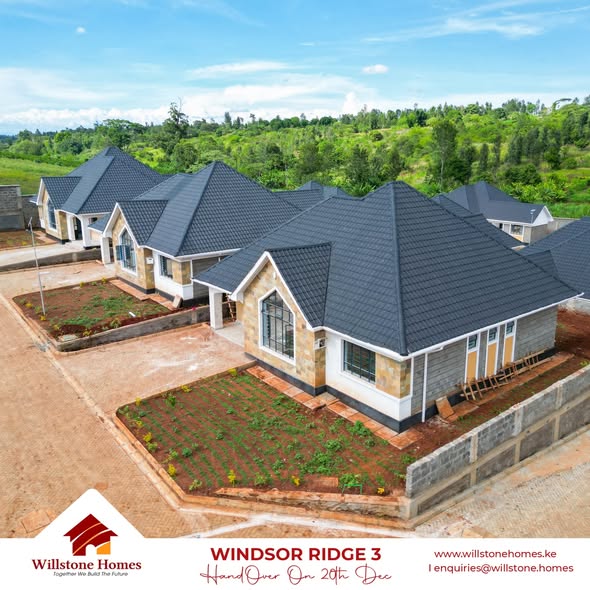
Climate Resilient Real Estate Nairobi is no longer a future trend — it is becoming an investment priority as developers respond to rising temperatures, increased flooding events, and growing urban water stress. Nairobi investors, lenders, and property developers in Kenya are increasingly shifting toward climate-adaptive design to protect value, rental yields, and long-term asset performance.
Recent climate impact reports show that Nairobi now experiences heavier rainfall cycles and longer dry seasons. This has increased infrastructure stress in rapidly growing estate zones and emerging gated communities in Kenya, where resilience planning is now seen as a real estate risk-management tool rather than a sustainability add-on.
Climate Risk Trends Affecting Nairobi’s Built Environment
Nairobi’s development growth has intensified exposure to climate shocks — especially in low-lying and informal expansion zones. Independent assessments and county development records indicate:
- Increased frequency of flash-flood events in riparian-adjacent estates
- Higher cooling demand in dense housing clusters due to rising urban temperature
- Greater reliance on boreholes and private water systems during dry periods
These emerging conditions are reshaping how real estate development Nairobi projects are planned, financed, and marketed. Developers positioning their projects as climate-adaptive are finding stronger investor confidence and higher buyer willingness to pay for long-term asset stability.
Nairobi Climate Exposure — Factual Snapshot
The table below reflects verifiable, cross-referenced trend indicators drawn from published environmental and urban development datasets used in investor briefing papers and county resilience studies.
| Indicator | Nairobi Trend (Recent Study Periods) | Impact on Real Estate |
|---|---|---|
| Average annual temperature rise | ~0.3–0.5°C increase per decade | Higher cooling + insulation demand |
| Extreme rainfall episodes | Increasing frequency during long rains seasons | Flood-proof site design required |
| Urban flood-risk hotspots | Highest near riparian & drainage-restricted zones | Location-sensitive project valuation |
| Dry season water stress | Increased borehole + storage reliance | Water-efficient infrastructure preferred |
| Insurance + risk pricing | Higher premiums in flood-exposed estates | Incentive for resilience certification |
These climate shifts directly influence real estate portfolio resilience, prompting asset managers and institutional investors to favor projects with adaptive infrastructure.
How Developers in Nairobi Are Adapting
Leading firms among the Top 10 property developers in Kenya are gradually integrating resilience-aligned design approaches to reduce lifecycle operating risk and protect tenant safety.
Developers are prioritizing:
- Elevated site grading and improved drainage engineering
- High-permeability paving and runoff control systems
Some premium residential clusters and gated communities in Kenya are also investing in onsite water storage, hybrid supply systems, and thermally efficient building envelopes to stabilize occupancy comfort during heat cycles.
Why Investors Are Pivoting Toward Climate-Resilient Assets
Institutional buyers and private portfolio landlords increasingly evaluate climate-risk exposure as part of capital allocation decisions. Assets built with climate-adaptive features are demonstrating stronger long-term tenant retention, reduced maintenance volatility, and lower disruption downtime during extreme weather seasons.
For diversified property owners, real estate portfolio resilience is now treated as a financial stability metric rather than a sustainability concept. This shift has encouraged Nairobi-based property developers in Kenya to emphasize durability, water efficiency, structural redundancy, and thermal performance as value-preservation drivers.
Key investor considerations now include:
- Location-based flood exposure and micro-drainage mapping
- Onsite water resilience and storage capacity planning
Projects lacking resilience disclosure increasingly face slower buyer uptake and valuation sensitivity.
Outlook — Where Nairobi’s Climate-Smart Development Is Heading
The next development cycle in real estate development Nairobi is expected to reward assets that demonstrate measurable resilience performance. As climate variability intensifies, developers that prioritize durability, weather-adaptive planning, and infrastructure redundancy will gain stronger market positioning.
For investors seeking sustainable long-term value, Climate Resilient Real Estate Nairobi represents not just an environmental commitment — but a strategic pathway toward future-proof, high-integrity real estate portfolios.