
How Soil Type Determines 70% of Your Construction Cost in Kenya is a reality many land buyers only discover after construction begins. While most people focus on house plans, finishes, or labour costs, the soil beneath your plot quietly dictates foundation depth, reinforcement needs, excavation costs, drainage solutions, and even long-term maintenance expenses.
In Nairobi and its satellite towns—Kitengela, Ruiru, Ruaka, Syokimau, and Juja—two identical houses can differ in construction cost by millions of shillings purely because of soil conditions.
Ready to join a community built on quality, trust, and lasting value? Secure your place in a Willstone Homes estate today — where every home is a legacy in the making Call us now or visit our offices to book a site visit.
Contact Us
- Park Suites, 44 Parklands Road, Ground Floor, Suite 1, Willstone Homes
- +254711082011
- [email protected]
Why Soil Type Has Such a Massive Impact on Construction Costs

Soil determines how safely a structure can transfer its load to the ground. Weak or unstable soil forces engineers to compensate using deeper foundations, more concrete, more steel, and additional ground treatment.
Key cost areas affected by soil type include:
- Foundation design
- Excavation depth
- Reinforcement steel quantity
- Concrete volume
- Drainage and waterproofing
- Construction timeline
- Long-term structural repairs
In Kenya, foundation and substructure costs alone account for 30–45% of total building costs, making soil the single most influential factor.
Major Soil Types in Kenya and Their Cost Implications
1. Black Cotton Soil (Highest Cost Impact)
Common in:
- Kitengela
- Athi River
- Parts of Kajiado
- Eastern Nairobi
Black cotton soil expands when wet and shrinks when dry, causing cracks, foundation movement, and wall failure.
Cost implications:
- Deep excavation (1.8–3m)
- Reinforced strip or raft foundations
- Soil replacement or stabilization
- Heavy steel reinforcement
This soil can increase construction costs by 30–60% if not handled correctly.
2. Red Lateritic Soil (Most Cost-Effective)
Common in:
- Ruiru
- Juja
- Thika
- Parts of Kiambu
Red soil has good bearing capacity and drainage.
Cost advantages:
- Shallow foundations
- Less reinforcement
- Faster excavation
- Minimal soil treatment
This is why developers prefer it for bungalows and maisonettes.
3. Sandy Soil
Common in:
- Coastal Kenya
- River basins
- Parts of Eastern Kenya
Sandy soil drains well but lacks cohesion.
Cost implications:
- Wider foundations
- Soil compaction
- Extra concrete
- Retaining measures
4. Clay Soil (Non-Black Cotton)
Clay soil holds water and drains slowly.
Cost implications:
- Moderate foundation depth
- Drainage systems
- Waterproofing
- Careful curing
5. Rocky or Murram Soil
Common in:
- Ngong
- Parts of Westlands
- Rift Valley highlands
Cost implications:
- Higher excavation costs
- Lower concrete volumes
- Very strong bearing capacity
Although excavation is expensive, long-term costs are lower.
Cost Comparison Table: Soil Type vs Construction Cost Impact in Kenya
| Soil Type | Foundation Type Required | Relative Construction Cost Impact | Risk Level |
|---|---|---|---|
| Black Cotton Soil | Deep reinforced or raft | Very High (+30–60%) | Very High |
| Red Soil | Shallow strip foundation | Low (baseline) | Low |
| Sandy Soil | Wide strip + compaction | Medium (+15–25%) | Medium |
| Clay Soil | Medium-depth reinforced | Medium (+10–20%) | Medium |
| Rocky/Murram Soil | Minimal foundation | Low–Medium (+5–15%) | Low |
(Based on Kenyan engineering and contractor cost data, 2024–2025)
Why Soil Testing Is Non-Negotiable in Kenya
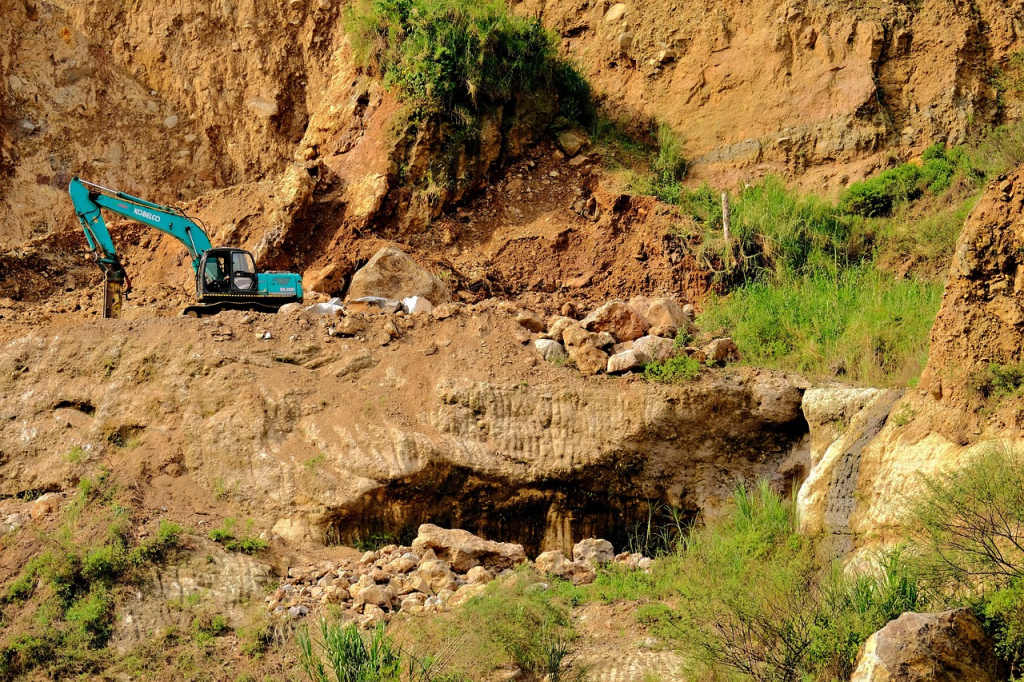
A professional geotechnical soil test costs between KSh 30,000 – 80,000.
Skipping it can lead to:
- Foundation redesign mid-construction
- Structural cracks
- Building collapse
- Legal liability
- Loss of property value
For construction companies in Nairobi, soil testing is now a standard requirement for serious projects.
Soil Type and County Approval in Kenya
County governments increasingly demand:
- Soil investigation reports
- Structural calculations based on soil bearing capacity
- Engineer-approved foundation designs
This is especially strict in Nairobi, Kiambu, and Kajiado counties.
How Developers Use Soil Data to Control Costs
Smart property developers in Kenya use soil data to:
- Match house designs to land
- Choose cost-effective foundation systems
- Price houses accurately
- Avoid costly structural repairs
This is why two plots with the same size can have very different market values.
Practical Advice for Land Buyers and Homeowners
Before buying land or approving house plans:
- Ask about soil type in the area
- Budget for a soil test
- Avoid “one-size-fits-all” foundation designs
- Work with registered engineers
- Be cautious of unusually cheap construction quotes
Why Soil Knowledge Saves Millions

How Soil Type Determines 70% of Your Construction Cost in Kenya is not an exaggeration—it is a structural and financial truth. From foundation depth to steel quantity, soil conditions dictate nearly every major cost decision in construction.
Understanding your soil early allows you to design smarter, budget accurately, and build safely. In Kenya’s rapidly growing real estate market, soil knowledge is no longer optional—it is essential.