

For over a decade, Nairobi’s property market has been defined by rapid price growth, aggressive apartment construction, and strong investor confidence. But as 2026 begins, a growing number of buyers, landlords, and developers are asking a difficult question: is the Nairobi real estate market 2026 approaching a correction, or is this just another pause before the next growth cycle?
Rising construction costs, slowing sales in some neighbourhoods, and visible apartment oversupply in Nairobi are forcing a deeper look at the numbers. This article examines what the data really shows about Nairobi property prices, rental yields in Nairobi, and whether fears of a broader Kenya real estate correction are justified.
Nairobi Real Estate Market 2026: Growth, Pressure or Correction?

The Nairobi real estate market 2026 is no longer moving in one direction. Instead, it is becoming highly segmented, with sharp contrasts between locations, property types, and buyer profiles.
While land prices in well-connected satellite towns continue to rise, parts of Nairobi’s inner suburbs are experiencing slower price appreciation and longer selling periods. This divergence is one of the strongest indicators that the market is cooling selectively, rather than collapsing across the board.
A Kenya real estate correction, if it occurs, is therefore more likely to be localized—affecting specific apartment-heavy zones—rather than a nationwide crash.
Key pressures shaping the market include:
- Reduced speculative buying
- Tighter mortgage affordability
- Increased buyer preference for value and infrastructure access
Are Nairobi Property Prices Still Rising in 2026?
On paper, Nairobi property prices have not fallen dramatically. However, the pace of growth has slowed, and in some areas prices have effectively stagnated in real terms once inflation is considered.
High-end apartment markets in neighbourhoods such as Kilimani, Kileleshwa, and parts of Westlands are no longer seeing the double-digit annual price increases of the past. Sellers are increasingly offering discounts, flexible payment plans, or extended completion timelines to attract buyers.
In contrast, lower- and mid-market housing near transport corridors continues to show resilience. This tells us that the issue is not demand disappearing—but demand becoming more selective.
Apartment Oversupply in Nairobi: A Warning Sign?
One of the clearest stress signals in the Nairobi real estate market 2026 is apartment oversupply in Nairobi. Over the past decade, developers responded to rising land prices by maximizing density, leading to thousands of near-identical apartment units entering the market.
In several inner-city suburbs:
- Vacancy rates are rising
- Units are staying longer on the market
- Asking rents are being negotiated downward
This oversupply does not automatically trigger a Kenya real estate correction, but it does weaken pricing power for sellers and landlords. Areas with limited parking, poor finishing quality, or weak infrastructure are being hit hardest.
Oversupply is also exposing a structural issue: too many units were built for investors, not for end-users.
Nairobi Real Estate Market 2026 – Key Indicators Snapshot
| Segment / Indicator | Trend in 2026 | What the Data Shows | Risk Level |
|---|---|---|---|
| Nairobi Property Prices (Prime Apartments) | Slowing / Flat | Prices largely stagnant in Kilimani, Kileleshwa & parts of Westlands as supply outpaces demand | ⚠️ Medium |
| Nairobi Property Prices (Mid-Market & Satellite Towns) | Rising | Strong demand in Ruiru, Syokimau, Athi River driven by affordability & infrastructure | ✅ Low |
| Apartment Oversupply in Nairobi | Increasing | High density apartment zones showing higher vacancies and longer selling periods | ⚠️ High |
| Rental Yields in Nairobi (Oversupplied Areas) | Under Pressure | Rents stagnating while service charges and costs rise | ⚠️ Medium–High |
| Rental Yields in Nairobi (Affordable Housing) | Stable | Consistent tenant demand keeps yields resilient | ✅ Low |
| Land Prices Near Infrastructure | Rising | Expressway, bypasses, and BRT corridors supporting appreciation | ✅ Low |
| Mortgage Uptake | Slow | High interest rates limiting buyer affordability | ⚠️ Medium |
| Overall Nairobi Real Estate Market 2026 | Rebalancing | Market correcting by segment, not collapsing | ⚖️ Moderate |
Read Also: Designing Homes for Multigenerational Families in Kenya: Exploring House Designs in Kenya
What Is Happening to Rental Yields in Nairobi?
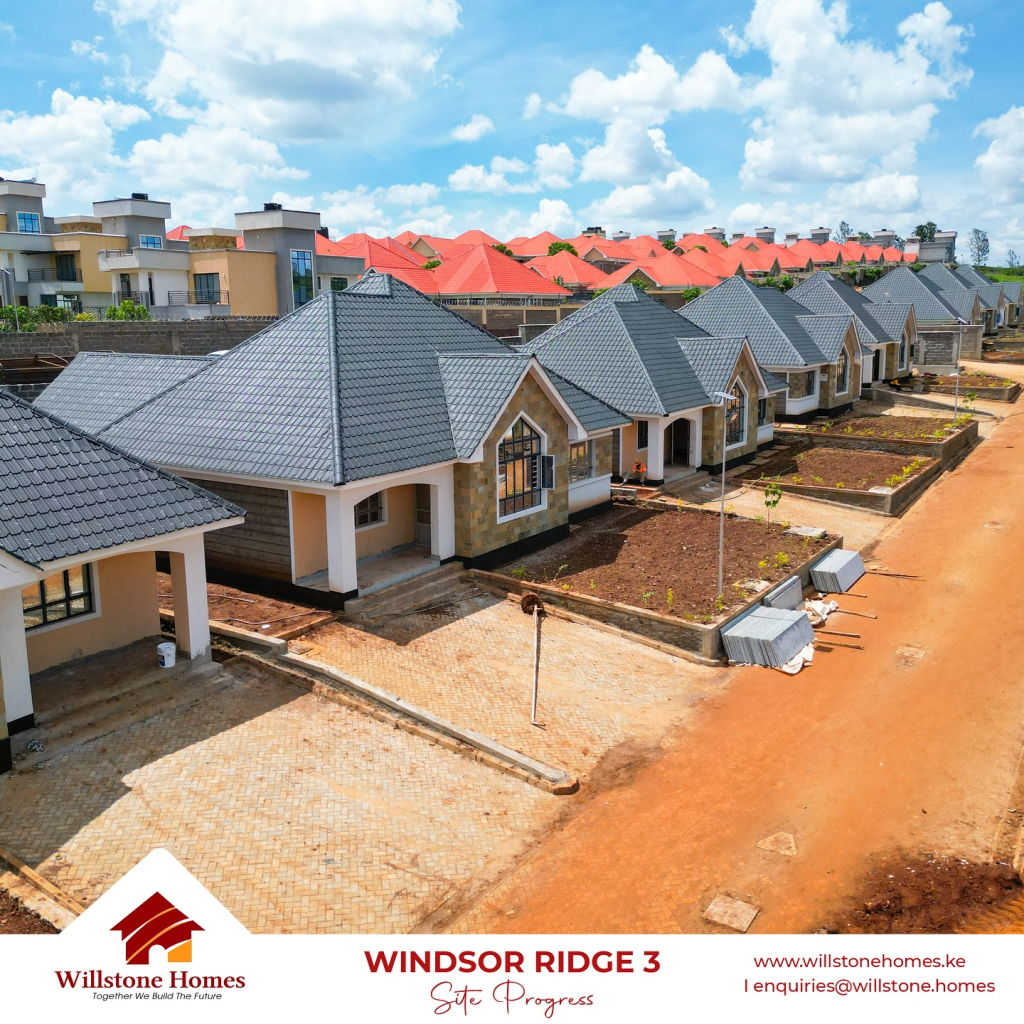
For many investors, the real test of the market lies in rental yields in Nairobi. While rents have not collapsed, yields are under pressure in oversupplied apartment zones.
In some locations:
- Rental income has stagnated while purchase prices remain high
- Landlords are absorbing higher service charges and maintenance costs
- Tenant bargaining power has increased
However, rental yields in Nairobi remain relatively strong in:
- Affordable housing segments
- Areas near universities, industrial zones, and transport hubs
- Satellite towns with growing populations
This divergence suggests the market is correcting through yields before prices, a classic early-stage adjustment rather than a crash.
Is Nairobi Property Overpriced or Just Rebalancing?
The idea that Nairobi property is universally overpriced is misleading. What the data shows instead is mispricing in certain segments.
Luxury and upper-middle apartment markets are struggling because supply outpaced realistic demand. Meanwhile, genuine housing needs—especially for first-time buyers and renters—remain unmet in many parts of the city.
This imbalance supports the argument that Nairobi is undergoing a market rebalancing, not a bubble burst. A Kenya real estate correction, if it happens, will likely involve:
- Flat or modest price declines in oversupplied areas
- Improved affordability over time
- Stronger fundamentals in infrastructure-led locations
What a Kenya Real Estate Correction Would Mean for Investors
If a Kenya real estate correction materializes, it will reward disciplined investors and punish speculative ones. The days of buying any apartment and expecting guaranteed appreciation are clearly over.
For investors, 2026 demands:
- Strong location analysis
- Realistic rental yield projections
- Focus on infrastructure, not hype
- Willingness to hold for longer periods
Those relying on short-term flipping in saturated apartment markets face the greatest risk.
What Buyers and Developers Should Watch Going Forward

Several indicators will define the next phase of the Nairobi real estate market 2026:
- Absorption rates for new apartment stock
- Trends in rental yields in Nairobi
- Mortgage uptake and affordability
- Infrastructure completion timelines
- Regulatory and financing changes
Developers who pivot toward quality, affordability, and genuine end-user needs are more likely to succeed than those chasing density alone.
Correction or Course Adjustment?
The evidence suggests Nairobi is not heading toward a dramatic collapse. Instead, the market is undergoing a necessary correction in expectations, pricing discipline, and supply focus.
Nairobi property prices are no longer rising blindly. Apartment oversupply in Nairobi is forcing rational pricing. Rental yields in Nairobi are separating strong investments from weak ones. All of this points to a maturing market—not a failing one.
For buyers and investors willing to follow the data rather than speculation, 2026 may quietly become one of the best entry points Nairobi has seen in years.