

Kenya’s aspiration to reach the development standards of global leaders such as Singapore is both bold and timely. Central to this vision is urban planning and real estate development in Kenya, which will ultimately determine how inclusive, productive, and sustainable the country’s growth becomes.
Rather than reinventing the wheel, Kenya has an opportunity to adapt global best practices to local realities, ensuring that real estate supports national productivity, social stability, and long-term economic competitiveness.
1. Urban Planning as the Foundation of National Development
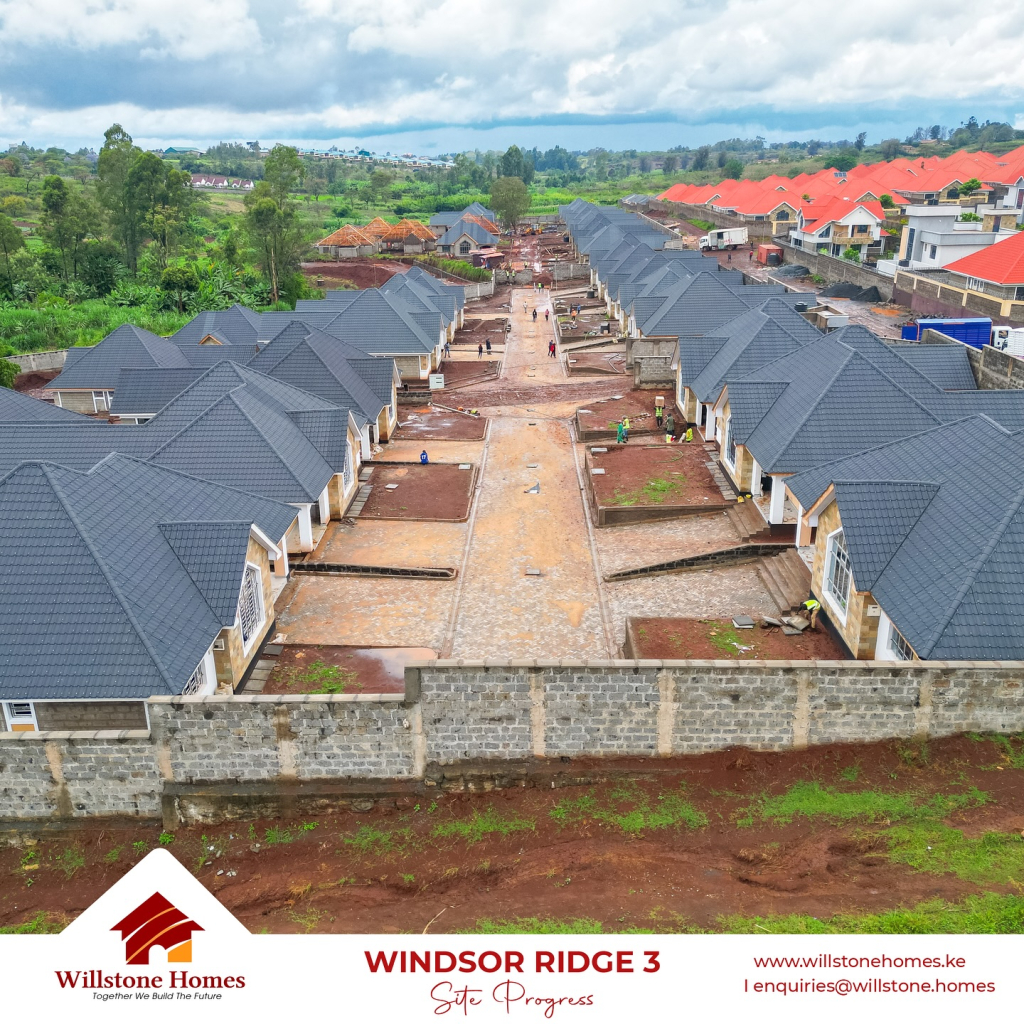
Modern economies are built on intentional urban form, not organic sprawl. Strengthening urban planning in Kenya, particularly Nairobi urban planning, is essential to aligning land use with infrastructure and economic activity.
Key policy priorities include:
- Enforcing city master plans in Kenya to guide growth
- Promoting 15-minute cities in Kenya, where housing, jobs, and services coexist
- Controlling urban sprawl in Nairobi through density-based zoning
Well-planned cities reduce congestion, lower infrastructure costs, and improve quality of life—outcomes that directly support the President’s development agenda.
2. Housing as an Economic Enabler, Not Just Shelter
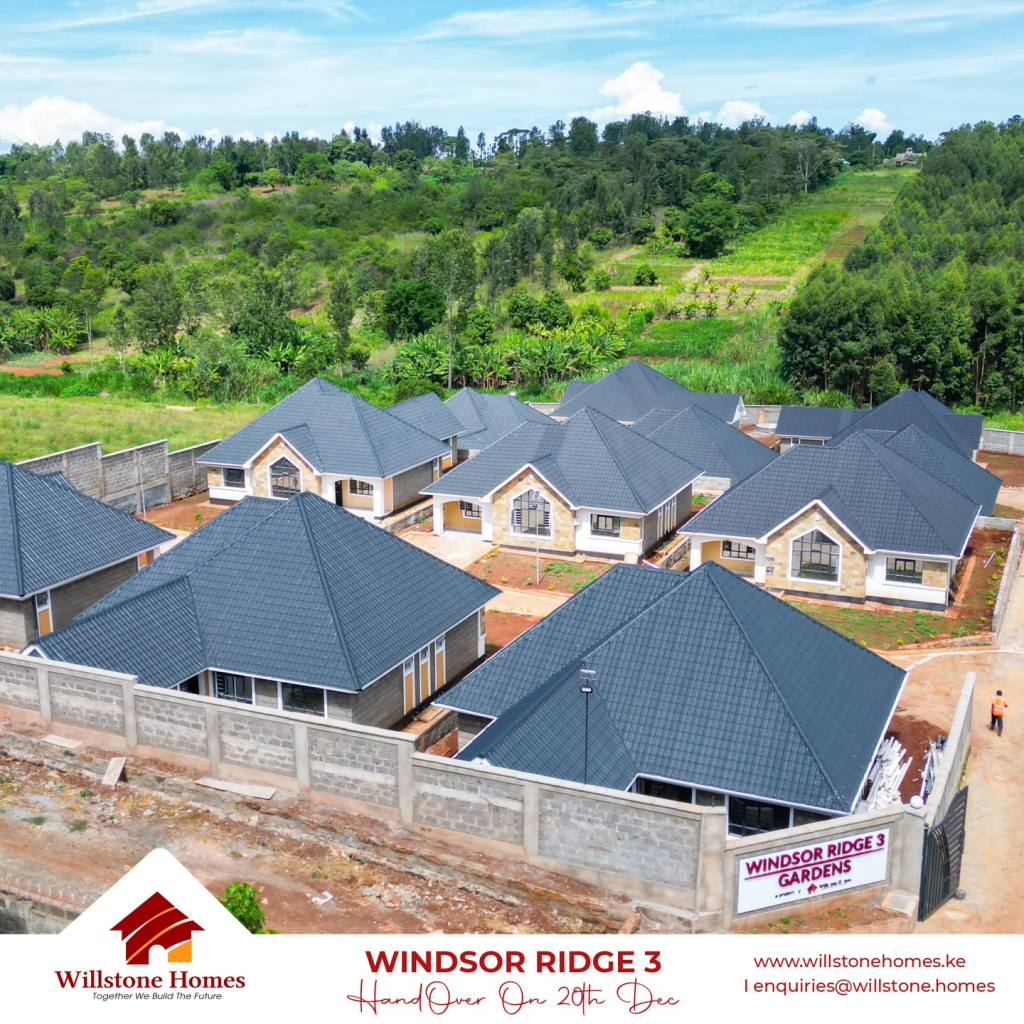
The housing conversation has rightly taken center stage. However, affordable housing in Kenya should be viewed not merely as a social good, but as an economic multiplier.
Strategic focus areas include:
- Scaling affordable housing projects in Kenya near employment zones
- Supporting a balanced mix of rental housing market Kenya and ownership models
- Addressing the housing deficit in Kenya with standardized, high-quality construction
Globally, productive cities ensure that workers live close to opportunity—reducing commuting time and increasing economic output.
3. Infrastructure-Led Real Estate Development

Successful global cities integrate land use with mobility. Kenya’s investments in transport create a powerful platform for transit-oriented development in Kenya (TOD).
Policy alignment can unlock value through:
- High-density housing along BRT housing Kenya corridors
- Mixed-use developments near SGR real estate development zones
- Encouraging infrastructure-driven property development nationwide
This approach maximizes returns on public infrastructure while creating vibrant, walkable communities.
4. Land Governance and Investor Confidence
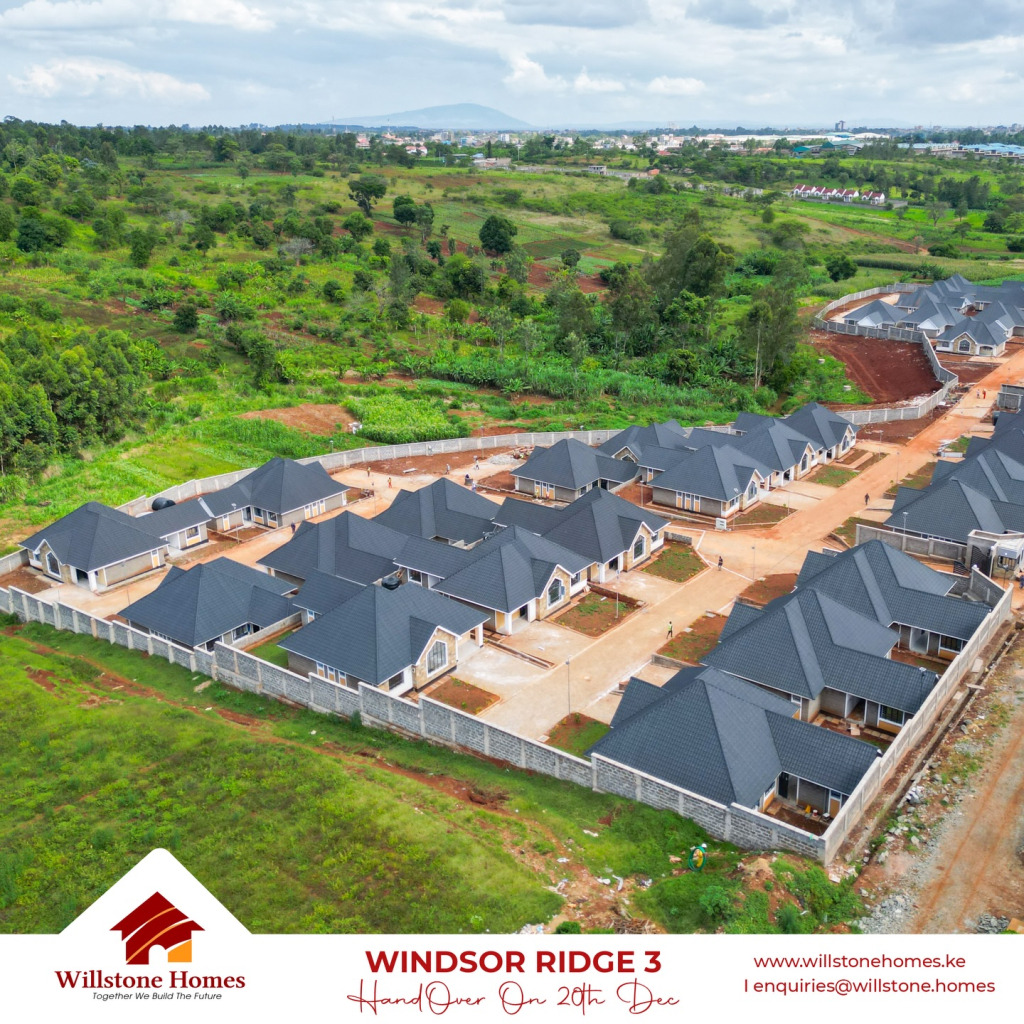
Secure land systems are the backbone of long-term development. Ongoing reforms in land ownership in Kenya and land digitization Kenya are already strengthening confidence.
Further gains can be achieved by:
- Reducing disputes linked to land fraud in Kenya
- Streamlining title deed reforms in Kenya
- Enhancing transparency in real estate regulation Kenya
Predictable land governance lowers the cost of capital and accelerates responsible development.
5. Real Estate as a Driver of Economic Growth

Beyond housing, real estate can stimulate industrialization and decentralization. Encouraging real estate investment in Kenya outside Nairobi supports inclusive growth.
Priority actions include:
- Expanding REITs in Kenya to fund large-scale rental housing
- Linking developments to jobs through decentralized development Kenya
- Tracking property market trends Kenya to inform policy
When aligned with manufacturing, logistics, and services, real estate becomes a productivity engine rather than a speculative asset.
6. Sustainability and Quality of Life

Future-ready cities must be resilient. Integrating sustainable housing in Kenya and green buildings Kenya into policy frameworks enhances long-term value.
Focus areas include:
- Promoting walkable neighborhoods Kenya
- Supporting climate-smart real estate Kenya
- Encouraging live-work-play developments that reduce emissions
These measures align Kenya’s growth with global climate and sustainability goals.
Key Indicators: Kenya and Global Benchmarks
| Indicator | Kenya (Urban Avg.) | Singapore (Reference Model) | Policy Insight |
|---|---|---|---|
| Urban population growth rate | ~4% per year | ~1% per year | Faster growth requires stricter planning controls |
| Share of population in public/affordable housing | <10% | >80% | Scale and quality can coexist |
| Average commute time (major cities) | 60–90 minutes | ~45 minutes | TOD reduces productivity loss |
| Land registration digitization | Partial | Fully digital | Certainty boosts investment |
| Rental housing institutional share | Low | High | Stability over speculation |
Table values are indicative, used for comparative policy insight.
Advancing the Vision Through Alignment

Kenya’s development ambition is achievable if urban planning and real estate development in Kenya are treated as strategic national tools. By aligning housing, transport, land governance, and sustainability, policymakers can translate the President’s vision into measurable, lived outcomes for citizens.
This is not about comparison—but adaptation. With deliberate policy coordination, Kenya can build cities that are productive, inclusive, and globally competitive.