

Kenya’s property sector has undergone a remarkable transformation over the past decade, with real estate in Nairobi Kenya standing at the center of this growth. Areas that were once quiet and undeveloped are now thriving hubs filled with apartments for sale in Nairobi, modern gated estates, and a rising number of houses for sale in Nairobi targeting an expanding middle class.
This rapid expansion has positioned the Nairobi real estate market as one of the most dynamic in the region. Yet, growth alone does not define maturity. To understand what a fully developed system looks like—and what Kenya still needs to refine—it helps to look at South Africa, a market that has spent decades building structure, discipline, and resilience.
In many ways, Kenya today mirrors where South Africa once stood: full of energy, opportunity, and investor interest, but still refining the systems that sustain long-term stability. That positioning is not a weakness—it is a strategic advantage.
Read Also: Airport Expansion = Property Hotspot Trigger Around Jomo Kenyatta International Airport
A Market Driven by Momentum, Not Yet by Systems
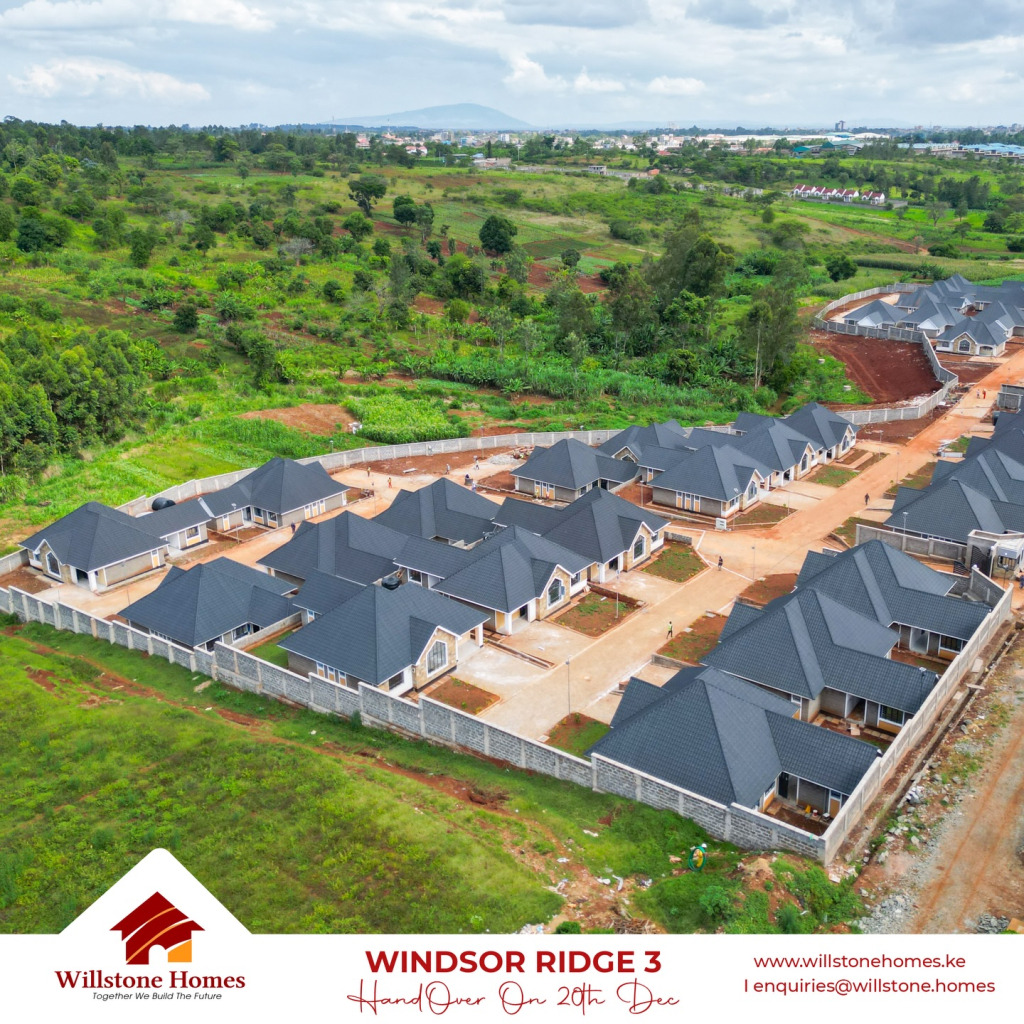
The Kenya property market is powered by demand. Whether it’s young professionals searching for homes for sale in Nairobi, investors exploring property investment Kenya, or diaspora buyers looking to buy property in Kenya, the appetite is strong and growing.
However, this growth is happening faster than the systems required to support it. Compared to South Africa, where property transactions are streamlined and data is widely accessible, Kenya still faces challenges in land administration, pricing transparency, and regulatory consistency.
This imbalance creates a market that is vibrant but occasionally unpredictable. It is not uncommon to see developments driven more by perceived demand than by verified market data, which partly explains the oversupply of high-end units and the persistent shortage of affordable houses in Nairobi.
Read Also: SGR Revival: Infrastructure Fueling the Next Wave of Standard Gauge Railway Growth
The Financing Gap That Defines the Market
One of the clearest distinctions between the two markets lies in how people finance property.
In South Africa, mortgage financing is the backbone of homeownership, enabling a majority of buyers to spread costs over time. In Kenya, however, mortgage penetration remains extremely low, forcing most buyers to rely on cash purchases or short-term financing.
This reality has shaped the entire ecosystem. Developers tend to focus on higher-income buyers who can afford upfront payments, leaving a significant portion of the population underserved. As a result, while demand for buy to let property Kenya and rental property investment Kenya continues to rise, the supply of accessible housing remains constrained.
Improving access to financing would not just benefit buyers—it would unlock the full potential of real estate investment Kenya, making the market more inclusive and sustainable.
Growth Corridors and Emerging Opportunities

Despite these structural gaps, Kenya’s growth story remains compelling. Infrastructure expansion and urban spillover have opened up new frontiers for development, with areas such as Ruiru, Ruaka, and Kitengela emerging as key investment zones.
These locations are attracting buyers interested in plots for sale in Nairobi, land for sale in Nairobi, and larger land investment Kenya opportunities. For investors studying Nairobi property market trends, the shift toward peri-urban living reflects both affordability pressures and changing lifestyle preferences.
Still, without proper planning, rapid expansion can lead to familiar challenges—strained infrastructure, mismatched supply, and uneven development patterns. South Africa’s experience shows that even a well-structured market can struggle with affordability if growth is not carefully balanced.
The Role of Data in Building a Smarter Market
Perhaps the most underappreciated difference between Kenya and South Africa is the role of data in decision-making.
In mature markets, developers rarely rely on instinct alone. Projects are backed by feasibility studies, demand analysis, and reliable pricing data. In Kenya, while platforms offering property listings Kenya are improving transparency, many decisions are still influenced by market sentiment rather than hard evidence.
This gap has real consequences. It leads to overdevelopment in some segments and missed opportunities in others, particularly in mid-market housing where demand is strongest.
For Kenya to fully unlock its potential, data must become central to strategy—not an afterthought.
Beyond Construction: The Importance of Sustainability
A successful real estate market is not just defined by how much it builds, but by how well it maintains what it has built.
In South Africa, strong property management systems, active homeowners’ associations, and a culture of long-term planning help preserve value across developments. In Kenya, this area is still evolving, and the lack of consistent management often affects property performance over time.
For investors focused on real estate returns in Kenya and those seeking safe property investment in Kenya, this is a critical factor. Sustainable value depends not just on location and design, but on how well a property is managed years after completion.
A Strategic Opportunity, Not a Competition

Kenya does not need to replicate South Africa’s model in its entirety. The local context is different, and the country’s entrepreneurial energy is one of its greatest strengths.
What matters is balance.
By strengthening financing systems, embracing data-driven planning, and supporting professional standards among real estate developers in Kenya, the country can build a market that combines structure with innovation.
The future of real estate in Nairobi Kenya is filled with promise. Demand continues to rise, new investment zones are emerging, and interest from both local and international buyers remains strong.
But the next phase of growth will require more than momentum.
It will require structure, discipline, and intentional planning.
By learning from markets like South Africa while staying true to its own dynamics, Kenya has the opportunity to shape a real estate sector that is not only fast-growing, but also inclusive, resilient, and globally competitive.
Because ultimately, the goal is not just to expand the Kenya property market—it is to ensure that its growth creates lasting value for everyone involved.