

Buying land for sale in Nairobi can be a life-changing investment.
Yet many buyers only focus on the title deed, the price, and the location—while missing critical technical details that surveyors and physical planners look at before recommending any plot.
If you truly want to buy land in Nairobi safely and profitably, you must understand what professionals quietly check long before a sale is closed.
This insider guide highlights the realities most sellers never explain.
Read Also: Nairobi Real Estate Investors Hold Back New Projects Ahead of Kenya’s 2027 Elections – Knight Frank
Wayleave issues can silently block development

One of the most common shocks for first-time buyers is discovering a wayleave after purchasing a plot.
A wayleave is a legally protected corridor reserved for public infrastructure such as:
- power lines
- water pipelines
- sewer lines
- fibre optic cables
Even if a plot is marketed among attractive plots for sale in Nairobi, part of that land may legally belong to a utility provider.
Surveyors always check for registered and unregistered wayleaves during land due diligence in Nairobi, because once a wayleave is confirmed:
- you may be restricted from building
- your building footprint may shrink
- compensation is rarely guaranteed
For serious property investment in Nairobi, this directly affects return on investment and resale value.
Read Also: The Real Business Behind House-Plan Sellers and Online Architects in Kenya
Road reserves are wider than most buyers realize

Many buyers assume that if a road already exists, the boundary of their land is fixed.
In reality, planners rely on approved road reserve widths—not what is physically visible on the ground.
A road reserve is land set aside for:
- road expansion
- drainage channels
- pedestrian walkways
- future transport infrastructure
Professional Nairobi surveyor services verify road alignment using approved survey plans.
It is common for a buyer to lose several metres of frontage because part of the plot sits inside a planned reserve.
This is a major but hidden risk when searching for land for sale in Nairobi near growing transport corridors.
Natural drainage paths are not optional considerations
Drainage lines are one of the most underestimated planning constraints in the city.
Some plots appear perfectly flat and dry during viewing, but planners assess:
- natural water flow patterns
- seasonal runoff routes
- flood channels mapped in development plans
If your land blocks an established drainage path, approvals may be denied or severely limited under Nairobi land planning regulations.
Surveyors often advise buyers to confirm drainage alignment as part of proper land verification in Nairobi, especially in fast-growing zones such as peri-urban estates and former agricultural areas.
Ignoring drainage paths exposes buyers to:
- future flooding
- demolition notices
- rejected development approvals
Future public land claims can arise long after purchase

This is one of the least discussed risks in the Nairobi property market.
Some plots were originally:
- planned as public utilities
- earmarked for schools or health centres
- reserved for future government infrastructure
Over time, such land may have been allocated, sold, or transferred through administrative processes that appear valid on the surface.
However, planners and surveyors understand how historical development plans affect present ownership.
During professional land due diligence in Nairobi, they review old planning schemes and layout approvals that reveal land reserved for public purposes.
For buyers searching for land for sale in Nairobi, this becomes critical because:
- public interest claims can override private development
- compensation processes are slow and uncertain
- projects may be halted years after construction
This is why experienced real estate developers in Nairobi rarely proceed without a planning background check.
Why titles alone do not protect Nairobi land buyers

Many buyers believe that a clean search is sufficient.
While a title is essential, surveyors and planners know that titles do not confirm:
- road and access compliance
- zoning compatibility
- infrastructure reservations
- environmental and drainage constraints
A strong Nairobi land buyers guide must go beyond paperwork and address physical and planning realities on the ground.
This is especially important for diaspora clients and first-time investors looking to buy land in Nairobi remotely.
Read Also: Scores Injured as Building Collapse Raises Fresh Safety Concerns in the Nairobi Real Estate Market
The professional checks most buyers skip
Before committing to any plots for sale in Nairobi, professionals quietly verify:
- survey beacons against the Registry Index Map
- approved layout plans from county authorities
- zoning classification and permitted uses
- proximity to infrastructure corridors
- historic planning reservations
These steps form the backbone of reliable Nairobi surveyor services and are central to responsible property investment in Nairobi.
Why this knowledge protects your long-term value
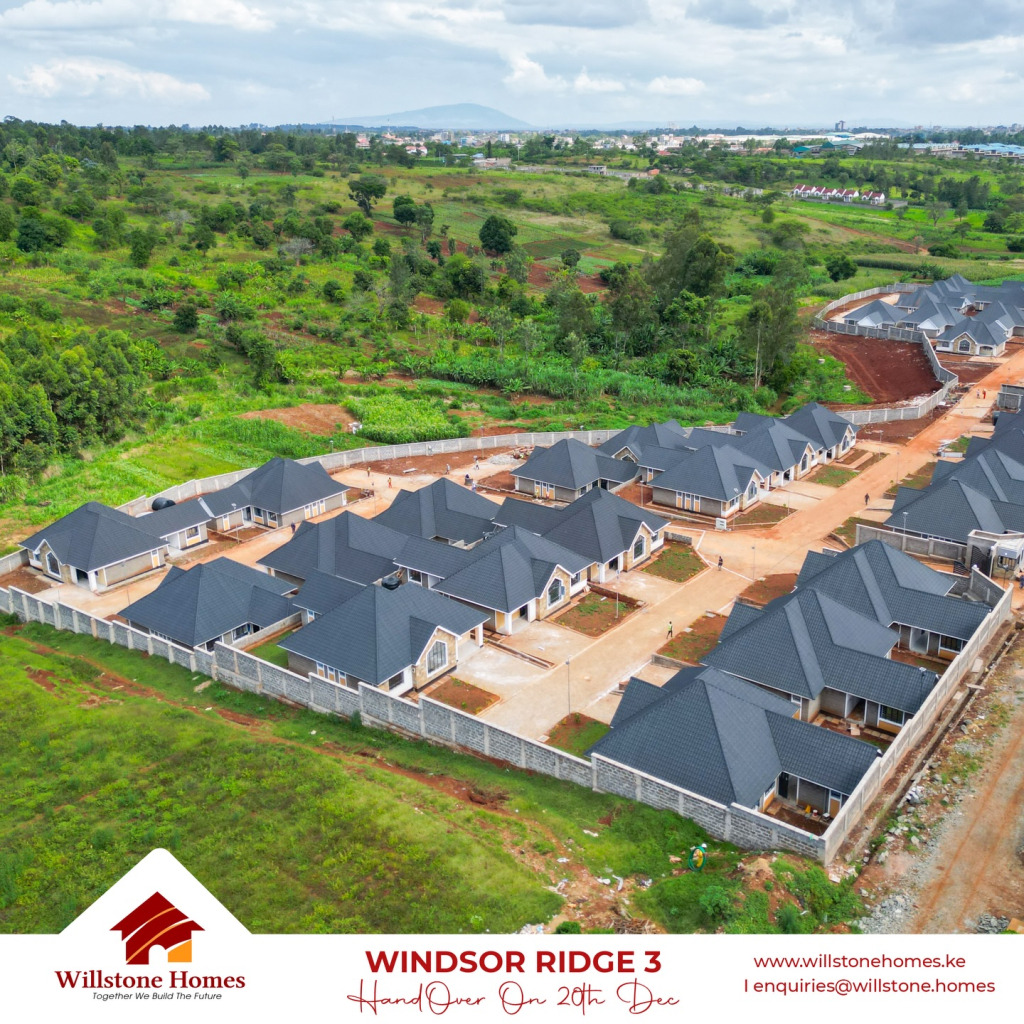
Understanding wayleaves, road reserves, drainage paths and public land reservations protects you from:
- stalled developments
- reduced plot sizes
- rejected approvals
- long legal disputes
More importantly, it ensures that the land you buy today remains valuable tomorrow.
For any serious buyer searching for land for sale in Nairobi, proper technical checks are not an added cost — they are an investment in certainty.
Final word for Nairobi land buyers
If you are planning to purchase land in the city, always treat technical verification as seriously as legal verification.
Professional land verification in Nairobi gives you clarity on what you can build, how much of the land you can use, and whether your investment will remain secure under changing urban planning priorities.
At Willstone Homes, informed buyers make better decisions — and build with confidence.