
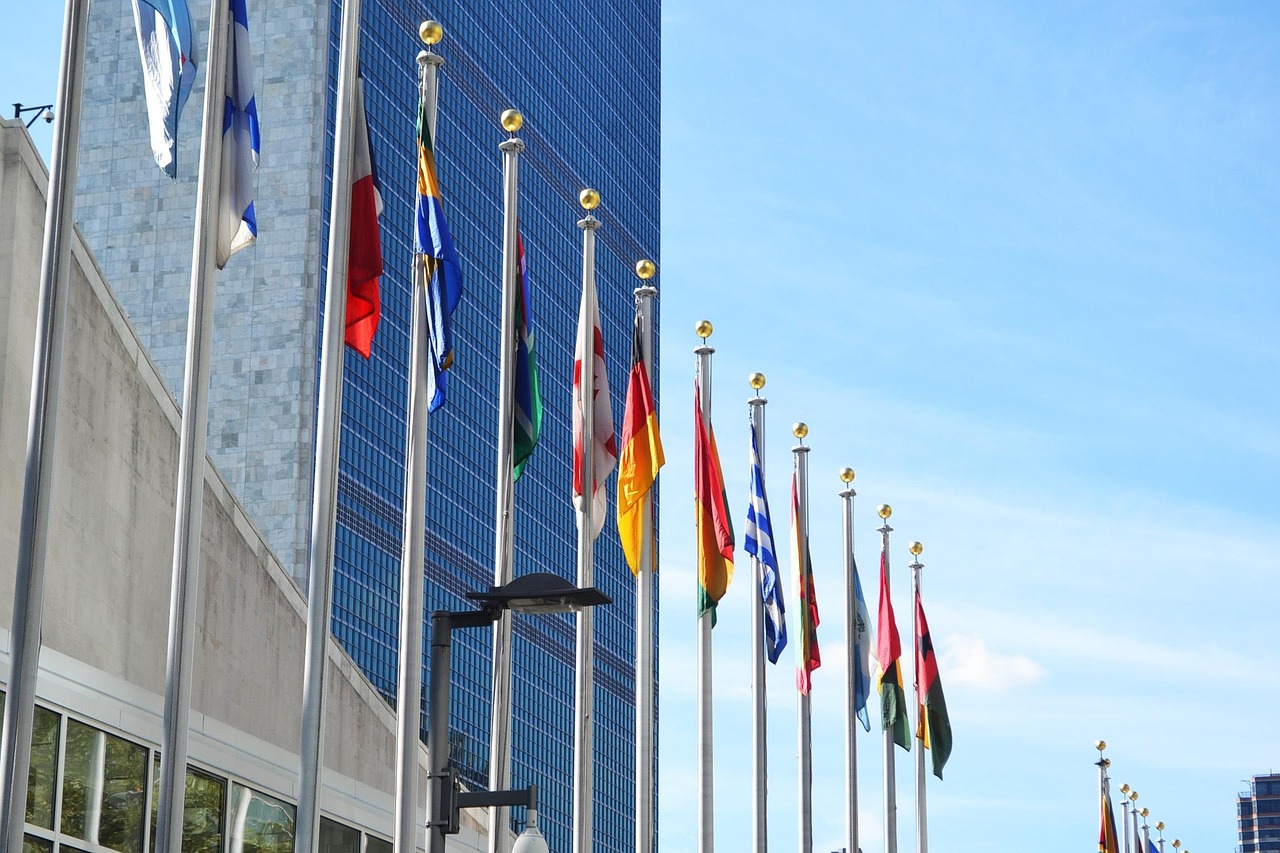
The ongoing expansion of the United Nations Office at Nairobi (UNON) and the planned relocation of additional UN agencies like UNICEF, UN Women and UNFPA — which are expected to intensify by late 2026 — is becoming one of the most significant real estate demand drivers for high-end property in Nairobi.
This is not just about more people arriving; it’s about high-earning staff, diplomats, executives and support professionals becoming long-term residents, with specific needs that few markets elsewhere in Kenya can satisfy.
Read Also: Real Estate and Inflation: Why Property Remains a Hedge in Kenya
1. Renewal of Demand in Prime “Diplomatic” Suburbs

Luxury neighbourhoods such as Gigiri, Runda, Muthaiga, Kitisuru, Loresho, Karen, Spring Valley and Lavington — sometimes called Nairobi’s “Beverly Hills” — are already experiencing renewed interest after a lull tied to expatriate departures following cuts to USAID funding earlier in the year.
These areas had been hit by vacancies after aid-linked expatriates left, leading to rental and sales softening. With the UN’s renewed presence, analysts report that many of these same vacant luxury homes are being leased quickly again as international staff seek secure, high-standard housing.
Luxury Price Pressures
Real estate professionals now anticipate upward price pressure in luxury properties, with some projections suggesting price growth of 15–20 % in prime diplomatic zones once relocations begin and demand becomes sustained.
Read Also: Willstone Homes Empowers Chamas to Transform Shared Vision into Timeless Land Ownership Across Kenya
2. Expatriate and Diplomatic Housing Demand Will Surge
The expected influx of UN staff, support personnel, and international contractors is projected to:
- boost demand for high-end detached houses and villas with secure compounds;
- increase interest in luxury apartments and serviced residences in well-located enclaves;
- accelerate development of premium mixed-use gated communities that blend residential, recreational and commercial space.
Developers are already marketing new off-plan projects tailored for diplomatic and executive markets, positioning properties as “diplomat-ready” with features like high security, international school proximity, modern finishes, and concierge services.
3. Spillover Effects Beyond Traditional Luxury Enclaves

While Gigiri and nearby suburbs remain the epicenter, the spillover is real:
- Westlands, Kilimani, and Upper Hill are seeing increased interest in luxury apartments and executive offices, catering to staff who prefer shorter commutes or different lifestyle options.
- Ruaka and surrounding satellite towns are starting to see housing demand rise as families seek relatively affordable but still high-end living options close to major arteries connecting to Gigiri.
This trend is partly driven by the desire for secure, well-serviced homes and lifestyle amenities that meet international standards — from fitness clubs to international schools and upscale shopping districts.
Read Also: Tokenised Real Estate in Kenya: A New Frontier for Property Investment
4. Commercial Real Estate and Office Space Demand
It’s not only residential real estate that stands to benefit. The relocation and increased UN presence is expected to:
- drive demand for Grade A office spaces in strategic locations;
- boost appeal of commercial and mixed-use developments that can house NGOs, consultants, legal firms, and contractors supporting UN operations;
- encourage upgrades to transport infrastructure, local roads, and security systems in premium areas.
This multi-sector demand supports both luxury commercial property valuations and ancillary service markets.
5. Rental Yield and Long-Term Investment Appeal
One clear advantage of this development is the potential for strong rental yields on luxury properties. High-earning expatriate tenants typically secure larger housing allowances and demand properties with superior amenities, driving:
- higher weekly and monthly rents in luxury enclaves;
- stable long-term leases often preferred by diplomatic or organizational contracts;
- improved liquidity for luxury homeowners who might otherwise struggle to find tenants.
This trend can make luxury homes appealing investment assets, not just lifestyle purchases.
6. Infrastructure and Lifestyle Enhancements in Luxury Zones
The ripple effects extend beyond property alone. As demand increases:
- developers and investors are upgrading infrastructure in high-end suburbs — from improved access roads to advanced security and utilities;
- hospitality sectors like luxury hotels, premium restaurants, and boutique services are scaling up to service diplomats and VIPs;
- international schools and healthcare facilities in and around prime neighbourhoods are expanding to meet demand from expatriate families.
These enhancements further entrench the appeal of high-end real estate and raise the overall standard of living in Nairobi’s luxury precincts.
Luxury Real Estate Gains but Challenges Remain

The UN’s expanded presence in Nairobi — with additional agency relocations expected by late 2026 — is a powerful catalyst for the luxury real estate sector:
- It revives demand in traditional diplomatic and affluent suburbs.
- It boosts rental yields and sales prices for high-end homes.
- It stimulates mixed-use development catering to both residential and commercial needs.
- It encourages urban infrastructure upgrades in premium corridors.
However, this shift also highlights long-term challenges. Without careful planning, Nairobi could face affordability pressure for local residents, infrastructure strains in high-growth corridors, and pricing disparities between luxury enclaves and broader urban markets.
Overall, the UN relocation is a major real estate narrative for Nairobi’s luxury housing market — one that aligns international demand with local investment opportunities while reshaping how premium property is valued and consumed in Kenya’s capital.