Kenya is moving to tighten regulation of construction professionals following a series of building collapses that have raised concerns about structural safety, professional accountability and compliance with construction standards. The proposed reforms could expose unqualified practitioners to fines of up to KSh 2 million or imprisonment, as the government seeks to strengthen oversight of the country’s built environment.
The Cabinet has approved the Architectural and Quantity Surveying Practitioners Bill, 2026, which proposes stricter registration and licensing requirements for professionals involved in building design, construction management and other related services. The legislation is intended to improve professional standards, enhance inspections and reduce the risk of building failures that endanger lives and destroy property.
Government Proposes Tougher Penalties for Unqualified Practitioners
Under the proposed legislation, individuals found guilty of certain false registration or licensing offences could face fines of up to KSh 2 million, imprisonment for up to two years, or both. Corporate entities involved in false registration or licensing could also face a minimum fine of KSh 1 million.
The Bill also proposes a general penalty for offences not specifically covered by its provisions, including a fine of up to KSh 500,000, imprisonment for up to three years, or both. These measures would give authorities stronger legal grounds to pursue individuals and businesses that operate outside the prescribed professional requirements.
The proposed framework seeks to ensure that construction projects are designed, supervised and managed by qualified practitioners with the necessary professional credentials. It also aims to discourage the unauthorised provision of services that require specialised training and professional registration.
Read Also: Kenya’s Mortgage Market Gains Momentum as Home Financing Rebounds in 2026
Annual Licences Proposed for Construction Professionals

The proposed law would require practitioners to obtain annual practising licences before legally offering professional services and charging fees. This requirement would strengthen the government’s ability to monitor professionals and establish whether those working in the construction sector meet the applicable standards.
The legislation also proposes expanding mandatory registration and licensing beyond architects and quantity surveyors to include:
- landscape architects
- interior designers
- construction project managers
- and their respective technicians.
The broader regulatory framework would bring additional occupations within formal professional oversight.
The Bill further seeks to restrict the use of protected professional titles, including architect, quantity surveyor and construction project manager, to appropriately qualified and registered practitioners. This measure is intended to protect clients and property developers from individuals who misrepresent their qualifications or professional status.
Proposed Board to Inspect Construction Sites
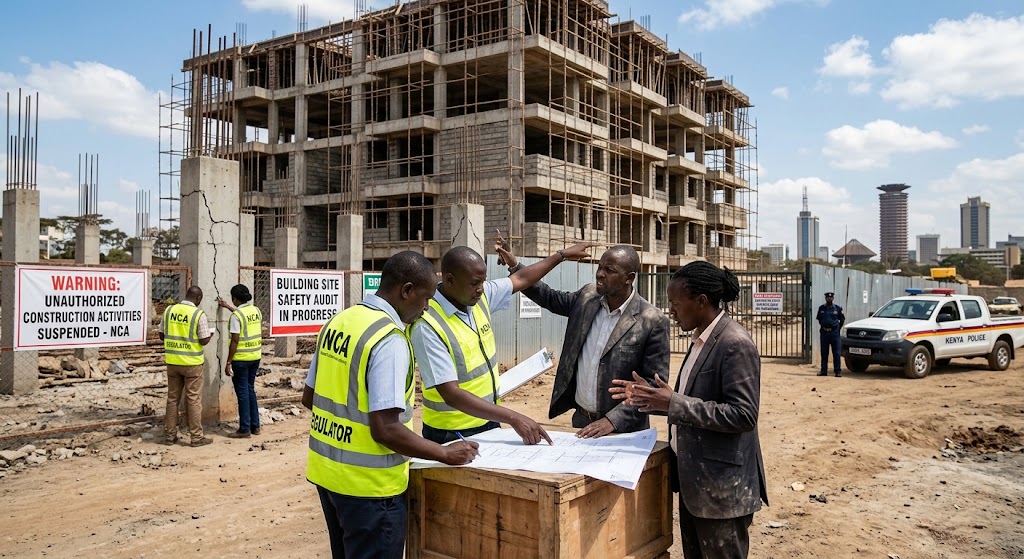
The proposed Architectural and Quantity Surveying Practitioners Board would have powers to deploy authorised officers to inspect construction sites, verify professional credentials, examine designs and monitor ongoing building works in both public and private developments.
Such inspections could help identify structural defects, unauthorised professional involvement and other forms of non-compliance before they develop into serious safety hazards. The proposed powers would also strengthen oversight of the professionals responsible for translating building designs into completed structures.
However, effective enforcement would depend on adequate staffing, technical capacity, coordination among regulatory agencies and consistent application of the law. Professional licensing alone cannot guarantee safe buildings unless construction materials, structural designs, workmanship and site supervision also meet the required standards.
Building Audit Reveals Widespread Safety Concerns
The proposed reforms come against the backdrop of worrying findings from an audit conducted by the National Building Inspectorate, which assessed 14,895 buildings and identified significant safety concerns.
According to the audit figures cited in the report:
- 723 buildings were classified as very dangerous
- while 10,791 were categorised as unsafe
- A further 1,217 buildings were rated as being in fair condition
- with only 2,194 classified as safe.
The findings highlight the scale of the challenge facing authorities responsible for building safety in Kenya. Buildings classified as dangerous or unsafe may require further technical assessments, corrective work or other appropriate interventions, depending on their individual conditions and the applicable safety requirements.
The figures also underscore the importance of regular inspections, proper maintenance and strict adherence to approved designs throughout a building’s lifespan. Weak enforcement can allow defects to remain undetected until they threaten occupants, neighbouring properties and members of the public.
Read Also: What Is a Green Card in Kenyan Land Sales? And How It’s Misused
Poor Workmanship and Defective Designs Among Causes of Building Failures

The National Construction Authority commissioned a study in 2018 to investigate building failures and collapses and identify measures to strengthen regulatory controls across the construction industry.
The study identified poor workmanship, substandard construction materials, inadequate structural designs, poor maintenance and failure to comply with statutory requirements among the leading causes of building failures. These factors can combine to weaken a structure, particularly where defects are not identified and corrected during construction.
The study recommended the involvement of accredited checkers during the design stage and building control inspectors during construction supervision. These measures were intended to improve compliance, strengthen quality assurance and detect defects before they compromise structural integrity.
The findings suggest that preventing building collapses requires a coordinated approach involving architects, quantity surveyors, engineers, contractors, project managers, regulators and property owners. Each has responsibilities that can influence the safety and quality of a completed development.
What the Proposed Law Means for Developers and Property Owners
If enacted, the Bill could have important implications for property developers, construction firms and individual property owners. Developers would need to pay closer attention to the qualifications and licensing status of professionals engaged in their projects, while firms providing regulated services would need to ensure that their personnel comply with the applicable requirements.
Property owners and prospective buyers could also benefit from stronger professional oversight, particularly where it improves the quality of building designs, construction supervision and compliance checks. Nevertheless, consumers should continue to conduct independent due diligence rather than assume that registration alone guarantees the safety of a property.
The proposed reforms could also increase compliance responsibilities for construction businesses. While stricter oversight may require additional time and resources, effective regulation could help reduce costly defects, disputes, remedial work and losses arising from preventable building failures.
Read Also: The Shared Boundary Wall Problem: Who Owns It, Who Fixes It?
Enforcement Will Determine the Success of the Reforms
Kenya’s construction industry plays an important role in housing provision, commercial development and economic growth. However, this growth must be supported by professional accountability and effective safeguards to ensure that buildings are safe for occupation and use.
The proposed Architectural and Quantity Surveying Practitioners Bill, 2026, signals an effort to strengthen professional regulation and address weaknesses that have contributed to concerns about building safety. Its proposed penalties, annual licensing requirements and expanded inspection powers could improve accountability if they are implemented effectively.
Ultimately, the success of the reforms will depend on whether regulators can consistently enforce professional standards, identify unsafe construction practices and ensure that those responsible for serious violations are held accountable. For Kenyans investing their savings in homes and commercial properties, the central issue is not simply whether tougher penalties are introduced, but whether the measures prevent unsafe buildings from being constructed in the first place.
At Willstone Homes, our mission is rooted in making your homeownership journey seamless, transparent, and rewarding. From carefully designed master plans to top-tier structural craftsmanship, we take pride in delivering modern, high-quality living spaces where families thrive. When you choose us, you are investing in unmatched reliability, professional excellence, and a community built to last.”