

Kenya’s real estate sector is undergoing one of its biggest structural shifts in over a decade, with investors increasingly abandoning speculative mega mall developments and conventional office towers in favour of logistics parks, data centres, industrial hubs and mixed-use communities tied to the country’s expanding digital economy.
According to the latest Knight Frank Africa Report 2026/27, the Kenya property market is entering a more selective phase where infrastructure, sustainability, flexibility and operational efficiency are becoming more valuable than sheer scale.
The transition is reshaping the future of real estate in Nairobi Kenya and redefining where long-term capital is flowing.
Read Also: Nairobi Commercial Real Estate Market Recovers as Office Vacancy Rates Continue to Shrink
The Decline of Kenya’s Mega Mall Era

For much of the previous decade, the Nairobi real estate market was defined by aggressive mall construction, premium office towers and speculative commercial developments driven by rapid urbanisation and a growing middle class.
Today, however, developers and investors are becoming more cautious as changing consumer habits, e-commerce growth and shifting spending patterns reshape the economics of retail property.
Knight Frank says developers are increasingly prioritizing smaller convenience-focused retail centres anchored by supermarkets, pharmacies, food outlets, banking halls and essential services rather than destination mega malls.
This shift is being fuelled by:
- Growth of click-and-collect shopping
- Last-mile delivery networks
- Convenience shopping
- Expansion of digital payments
- Reduced discretionary consumer spending
“Africa’s real estate landscape is transitioning into a more selective, performance-driven cycle, increasingly defined by quality and specialization,” said James Lewis.
The transformation is also influencing how property investment Kenya strategies are evolving, especially among institutional investors seeking more resilient asset classes.
Logistics Parks Become Kenya’s New Property Gold Rush
Industrial and logistics real estate is rapidly becoming one of the most attractive real estate investment Kenya segments.
Demand is rising sharply for:
- Modern warehousing
- Distribution centres
- Cold-chain facilities
- Last-mile delivery hubs
- Build-to-suit industrial parks
The growth is being driven by:
- Regional trade integration
- Manufacturing expansion
- Special Economic Zones (SEZs)
- Infrastructure investments
- E-commerce growth
Kenya is positioning itself as East Africa’s logistics gateway through transport corridor projects, industrial parks and SEZ-linked infrastructure developments.
Knight Frank notes that serviced industrial land within strategic logistics corridors is becoming increasingly scarce as investor appetite intensifies.
For investors exploring real estate opportunities in Kenya, logistics infrastructure is increasingly emerging as a stronger long-term bet than traditional retail malls.
Data Centres Are Becoming the New Prime Property Asset

One of the most significant trends identified in the report is the rise of data centres as a major new real estate asset class.
Driven by artificial intelligence, cloud computing, fintech growth and streaming services, Africa’s digital infrastructure market is entering an aggressive expansion phase.
Knight Frank estimates that Africa’s data centre demand could increase between three and five times by 2030, requiring between US$10 billion and US$20 billion in fresh investment.
“The single most significant enabler of Africa’s data centre expansion is the rapid development of fibre connectivity, both subsea and terrestrial,” said Oscar Matthews.
Kenya’s emergence as a regional digital infrastructure hub is being supported by:
- Multiple subsea cable landings in Mombasa
- Expanding fibre connectivity
- Nairobi’s technology ecosystem
- Rising cloud demand
- Geothermal-powered energy solutions
“In East Africa, Kenya is emerging as a key hub, supported by multiple subsea cable landings in Mombasa, a strong enterprise ecosystem in Nairobi, policy support through Special Economic Zones, and an increasing focus on geothermal-powered energy solutions,” Matthews added.
This trend is likely to significantly influence future property investment opportunities Kenya as digital infrastructure increasingly competes with traditional commercial developments for institutional capital.
Nairobi’s Office Market Is Entering a “Flight to Quality”
The office sector is also undergoing major changes as multinational occupiers increasingly abandon ageing office blocks in favour of environmentally compliant Grade A developments.
Knight Frank describes the trend as a “flight to quality,” where occupiers prioritise:
- ESG-compliant buildings
- Flexible workspaces
- Wellness amenities
- Energy efficiency
- Lifestyle-focused developments
Prime office occupancy in Nairobi rose above 80% in 2025, supported largely by demand for premium office developments.
At the same time, nearly 2.5 million square feet of additional office space is expected to enter the market between 2027 and 2028.
The result could trigger:
- Refurbishments
- Mixed-use conversions
- Repurposing of ageing office blocks
- Flexible workspace expansion
Knight Frank says flexible office space is becoming one of the fastest-growing segments in the Nairobi property market trends landscape.
Prime Residential Property Remains Resilient
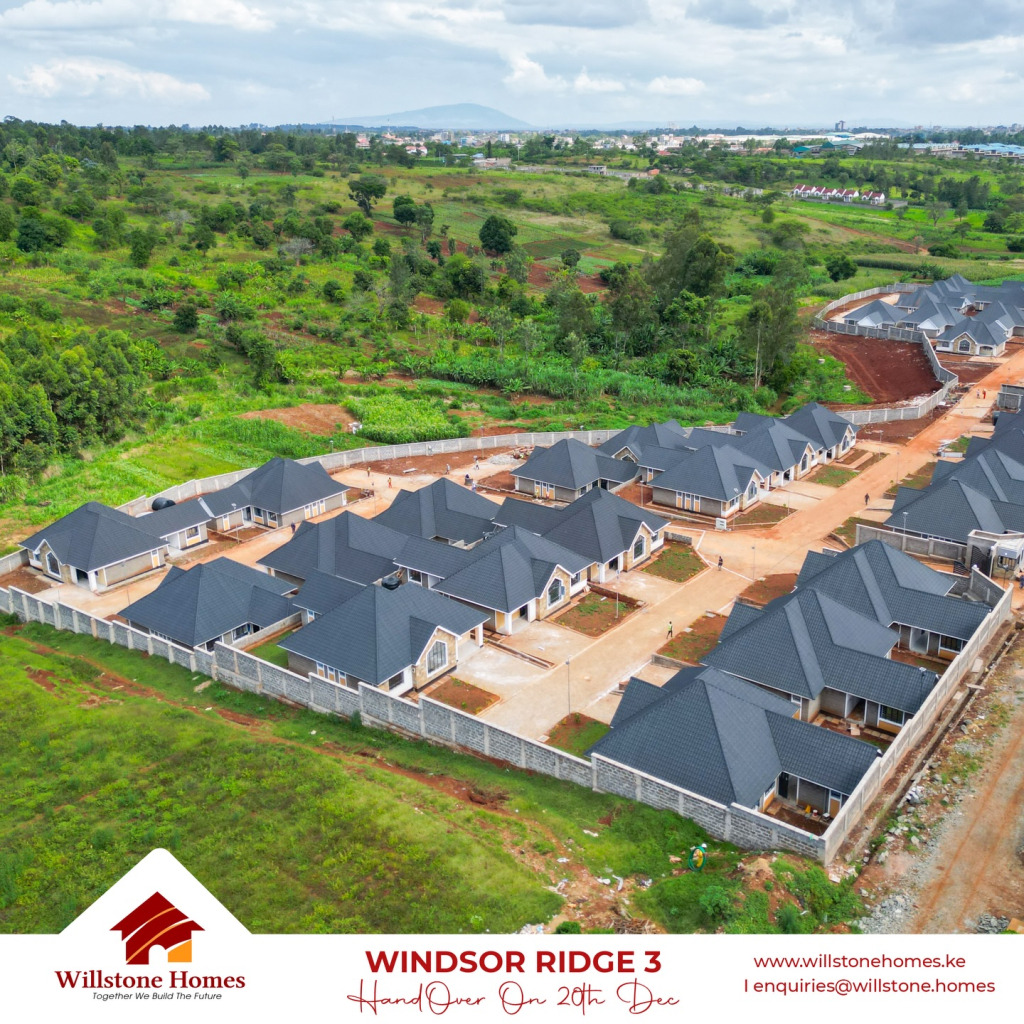
Despite broader affordability challenges, Kenya’s high-end residential sector remains relatively strong.
Knight Frank reports that prime residential sales prices rose by 6.17% in the year to December 2025, while prime rental prices increased by 4.05%.
Demand continues to be supported by:
- Diaspora investors
- Expatriate professionals
- High-net-worth buyers
- Demand for gated communities in Nairobi
- Integrated mixed-use developments
The report also indicates that Kenya diaspora property investment remains a major force within the upper-end residential market as overseas Kenyans increasingly seek safe property investment in Kenya.
Developers are increasingly shifting toward master-planned mixed-use communities combining:
- Residential units
- Schools
- Retail centres
- Healthcare services
- Lifestyle amenities
This shift is redefining what buyers now expect from property in Nairobi Kenya and premium residential developments.
Tourism and Hospitality Property Recovery Accelerates
Tourism-linked real estate is also rebounding strongly following the post-pandemic recovery in travel.
Renewed visitor growth is boosting demand for:
- Hotels
- Holiday homes
- Serviced apartments
- Short-stay accommodation
Kenya recorded approximately 7.9 million domestic and international visitors in 2025, including about 2.7 million international arrivals.
The recovery is strengthening investor confidence in hospitality-linked property investment Kenya projects tied to tourism growth.
Read Also: Real Estate’s Shift from Speculation to Yield Takes Centre Stage at EAPI 2026 in Nairobi
Kenya’s Real Estate Future Is Shifting From Speculation to Utility

The broader trend emerging across the Kenya property market is a transition away from speculative construction toward infrastructure-backed, utility-driven real estate.
Instead of focusing purely on prestige developments, investors are increasingly prioritising:
- Connectivity
- Logistics efficiency
- Digital infrastructure
- Reliable energy
- Tenant resilience
- Long-term operational demand
Knight Frank says the market is increasingly rewarding quality, infrastructure integration and long-term functionality over speculative expansion.
For investors, developers and buyers seeking the next phase of real estate opportunities in Kenya, the country’s new property gold rush may no longer be found inside mega malls — but inside logistics corridors, industrial parks, fibre routes and data centres powering East Africa’s digital economy.