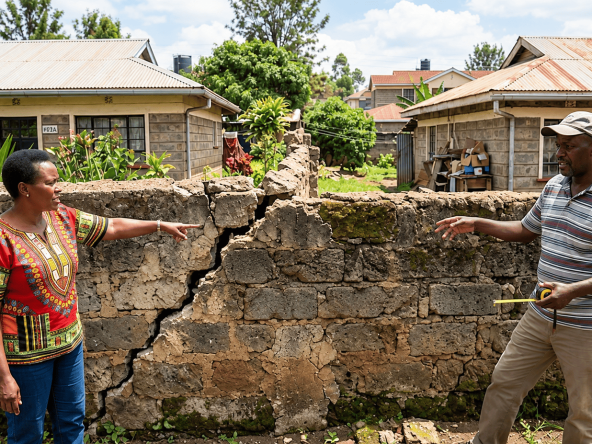

Nairobi’s real estate sector is facing renewed scrutiny following a wave of government-led demolitions and evictions carried out in May 2026. Targeting riparian zones, road reserves, and disputed land parcels, the exercise has exposed significant property investment risks in Kenya—especially for buyers who overlook compliance.
For homeowners, developers, and investors, these events are more than just headlines—they are a wake-up call to rethink real estate due diligence in Nairobi before committing to any property.
Where the Demolitions Happened

Githurai 45: Road Reserve Reclamation
In Githurai 45, the Kenya National Highways Authority (KeNHA) cleared roadside structures and informal businesses occupying road reserves.
This operation highlights growing enforcement of land use regulations in Kenya, as authorities move to:
- Expand transport infrastructure
- Introduce designated bus bays
- Improve road safety
Read Also: No More Hiding: How KRA’s 2026 eRITS Integration Impacts Your Monthly Rental Income
Marurui: High-End Homes Brought Down
In Marurui along the Northern Bypass, bulldozers flattened high-end homes built on a disputed 300-acre parcel of land.
The demolitions:
- Displaced over 100 families
- Exposed gaps in ownership verification
- Reinforced the need for proper title deed verification in Kenya
Even premium developments are not immune—making legal clarity a top priority for investors.
Riparian Land Crackdown Across Nairobi
The Nairobi Rivers Commission has intensified efforts to reclaim riparian zones across the city.
More than 300 buildings have been earmarked for demolition along:
- Kirichwa Kubwa and Kirichwa Ndogo
- Mathare River
- Ngong River
- Parklands river corridors
This crackdown reflects stricter enforcement of riparian land laws in Kenya, aimed at reducing flooding and restoring environmental balance.
Why This Matters for Property Buyers and Investors

These demolitions reveal a critical reality: ownership documents alone are not enough. Investors must align with zoning laws, environmental regulations, and infrastructure plans.
Key takeaways:
- Avoid properties on riparian land or road reserves
- Conduct deep due diligence beyond title deeds
- Confirm zoning approvals and survey maps
- Work with qualified legal and real estate professionals
Ignoring these steps significantly increases exposure to property investment risks in Kenya.
What to Do If You’re Affected
If your property or business has been impacted:
- Follow updates via KenyaMOJA
- Seek legal guidance from the Law Society of Kenya
- Review land ownership documents and approvals immediately
The Bigger Picture: A Shift Toward Order in Urban Development
While painful for those affected, these demolitions signal a stronger push toward structured urban planning in Nairobi.
Authorities are prioritizing:
- Flood control and environmental protection
- Safer transport infrastructure
- Enforcement of land use regulations in Kenya
For serious investors, this marks a transition toward a more predictable—though stricter—property market.
Read Also:The KMRC Ripple Effect: How Affordable Mortgages Are Driving Demand for Gated Communities in Kenya
Final Thought
At Willstone Homes, we believe informed investment is protected investment. Nairobi’s evolving regulatory landscape demands vigilance, proper guidance, and strategic planning.
The real question is no longer: “Can I buy this property?”
—but: “Is this property legally compliant, secure, and future-proof?”