
For decades across East Africa, homeownership has followed a deeply personal narrative: buy a piece of land, build incrementally as finances permit, and expand over time. This self-build model offers flexibility, but as major metropolitan hubs expand at record speed, a fundamental question emerges—is incremental individual homebuilding sustainable for rapidly growing cities?
Rwanda is beginning to argue that it isn’t.
Proposed by Rwanda’s Environment Management Authority (REMA), a new initiative suggests studying a gradual transition away from piecemeal self-building in favor of professionally planned, developer-led housing projects.
While still under study and not yet official government policy, the proposal has sparked a vital regional debate: Should organized urban development replace the freedom of self-building, and what can Kenya learn from this bold shift?
Read Also: The Macroeconomics of Kenyan Land: How Buyers and Sellers Adapt During Economic Shifts
1. Why Rwanda Is Questioning the Self-Build Model
Speaking before a Senate committee, REMA Director General Juliet Kabera highlighted the compounding challenges of uncoordinated, plot-by-plot construction. When thousands of individuals build independently over extended timelines, enforcing structural integrity and environmental compliance becomes a monumental challenge for municipal authorities.
Key Drivers Behind the Proposal:
- Infrastructure Bottlenecks: Retrofitting roads, sewer lines, fiber optics, and electrical grids into randomly developed neighborhoods costs significantly more than laying master infrastructure upfront.
- Climate Resilience & Disaster Risk: Incremental building frequently encroaches on wetlands, steep slopes, or natural drainage basins, compounding flood and landslide risks.
- Resource Management: Coordinated developments facilitate municipal-scale rainwater harvesting, integrated wastewater management, and solar energy integration.
“When development happens organically plot-by-plot, municipal planning becomes reactive rather than proactive. Coordinated urban growth ensures safety, climate resilience, and long-term cost efficiency.”
2. Global Precedents: From Singapore to Kigali

Rwanda’s proposal draws inspiration from successful global models of coordinated urban planning:
| Region | Model / Strategy | Urban Impact |
| Singapore | HDB (Housing & Development Board) | ~80% of residents live in state-planned, integrated neighborhoods with synchronized transport, schools, and green spaces. |
| The Netherlands | Infrastructure-First Planning | Serviced plots with complete utility, drainage, and cycling networks are mandatory before residential construction begins. |
| Rwanda (Kigali) | Kigali Master Plan | High-density, mixed-use zoning designed to optimize scarce land, curb sprawl, and preserve environmental zones. |
3. The Kenyan Reality: Cultural Freedom vs. Planned Sprawl
In Kenya, buying land and building incrementally (“Incremental Housing”) remains the primary route to wealth creation and shelter. It allows families to avoid debt, build within their cash flow, and customize their living spaces.
However, uncoordinated growth in Kenya’s peri-urban corridors (such as areas along the Northern Bypass, Kitengela, or Ruiru) highlights the downside of unchecked individual building: severe traffic congestion, chronic drainage failures during rainy seasons, and overburdened local infrastructure.
The Rise of Master-Planned Communities
Kenya isn’t entirely static. Market forces are driving a parallel shift toward integrated real estate developments:
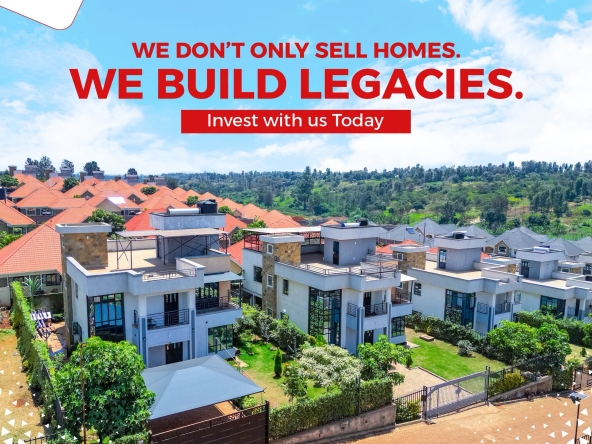
- Private Satellite Cities: Projects like Willstone Homes, Tatu City, Tilisi, and Centum’s Vipingo Development show a high buyer demand for pre-serviced land with strict architectural guidelines.
- Public Infrastructure & Tech Hubs: Initiatives like Konza Technopolis and the government’s Affordable Housing Program (AHP) reflect an institutional push toward high-density, fully serviced residential hubs.
4. How Kenya Can Bridge the Gap

Rather than enforcing a strict ban on individual homebuilding—which could shut low-to-middle-income buyers out of the market—Kenya could adopt a hybrid approach:
                       ┌─────────────────────────────────────────┐
                       │       HYBRID HOUSING DEVELOPMENT        │
                       └────────────────────┬────────────────────┘
                                            │
           ┌────────────────────────────────┴────────────────────────────────┐
           ▼                                                                 ▼
┌──────────────────────────────┐                               ┌──────────────────────────────┐
│  1. Sites & Services Model   │                               │ 2. Developer Tax Incentives  │
│  Govt/Devs lay trunk infra   │                               │ Relief for developers who    │
│  (water, roads, power) first │                               │ build affordable, green homes│
└──────────┬───────────────────┘                               └──────────────┬───────────────┘
           │                                                                  │
           └────────────────────────────────┬─────────────────────────────────┘
                                            │
                                            ▼
                       ┌─────────────────────────────────────────┐
                       │ 3. Green Micro-Financing & Mortgages    │
                       │ Flexible financing for phased, eco-safe │
                       │ self-build projects                     │
                       └─────────────────────────────────────────┘
- Adopt a “Sites and Services” Framework: Municipalities or master developers provide fully serviced plots (complete with paved access roads, water hookups, and storm drains) while permitting buyers to construct their individual homes within set design codes.
- Expand Affordable Housing Mortgages: To phase out decade-long incremental builds, Kenya must continue expanding long-term, single-digit interest mortgage options through mechanisms like the Kenya Mortgage Refinance Company (KMRC).
- Incentivize Private Developers for Mid-Market Housing: Offering tax exemptions for developers building integrated, green-certified affordable housing makes buying a finished, planned home cheaper than self-building.
Read Also: Priced to Sell or Stuck in Fantasy? How to Spot Realist Property Pricing in Kenya
The Broader Outlook
Whether Rwanda fully transitions to developer-led housing or settles on a modified model, the central lesson for Kenya is clear: housing policy can no longer treat shelter in isolation from urban infrastructure.
For Kenyan homebuyers, investors, and policymakers, the conversation is shifting from “How many houses can we build?” to “What kind of communities are we creating for the next generation?”