

For the past five years, the playbook for achieving the highest rental yield in Nairobi was remarkably consistent: buy a mid-tier studio or 1-bedroom unit off-plan, furnish it with Scandinavian-style furniture, and list it on AirBnB. Investors flocked to Kilimani apartments and luxury blocks of furnished apartments in Westlands, lured by the promise of dollar-backed nightly rates and gross returns clearing 15%.
But the landscape has fundamentally shifted. Recent short-term rental data reveals a sobering truth: Nairobi’s Airbnb market has slammed into a structural ceiling. With over 9,000 active listings in Kilimani alone, the market is severely oversupplied. Median occupancy rates have compressed to a mere 30% to 35% for generic listings, triggering a brutal price war.
As a result, smart money is quietly quietly exiting the volatile short-stay space. Institutional investors and data-driven landlords are redirecting their capital toward a far more stable, high-yield asset class: Purpose-Built Student Housing (PBSA) and organized co-living micro-units situated along satellite commuter corridors.
Read Also:The Great Apartment Correction: Inside Nairobi’s Tenancy Ghost Towns
The Ruthless Math: Short-Stay Flop vs. Student Housing Predictability

To see why institutional players are abandoning the short-stay model, we must strip away the marketing romance and look at the actual operational leakages. The table below provides a financial teardown of a standard KSh 6.5 million capital layout under the two competing models.
| Metric | The Traditional Airbnb Model (Kilimani 1-Bed) | The Institutional PBSA Model (2 Shared PBSA Beds) |
| Initial Capital Asset Investment | KSh 6,500,000 | KSh 6,500,000 |
| Average Pricing Basis | KSh 4,500 per night | KSh 15,000 per bed / month |
| Realized Occupancy Rate | 35% (Median market reality) | 95% (Academic year average) |
| Annual Gross Revenue | KSh 574,875 | KSh 342,000 (Per unit layout) |
| Operational Leakages | Cleaning, high token bills, platform fees, marketing | Minimal maintenance, centralized utilities |
| Average Net Expenses (Out of Gross) | ~45% (High operational drag) | ~15% (Managed at scale) |
| Actual Annual Net Profit | KSh 316,181 | KSh 290,700 |
| True Cash-on-Cash Rental Yield | 4.8% Net Yield | 9.2% to 11.3% Net Yield |
While the Airbnb model boasts an alluring nightly rate, its high vacancy rates and heavy operational costs—such as constant guest turnover cleaning, high utility tokens for instant hot showers, and platform fees—completely erode the bottom line. Meanwhile, purpose-built student accommodation Nairobi operates with near-zero marketing friction, long-term tenancy leases, and rock-solid occupancy.
Why Student Housing is the Ultimate Yield Defensive Play
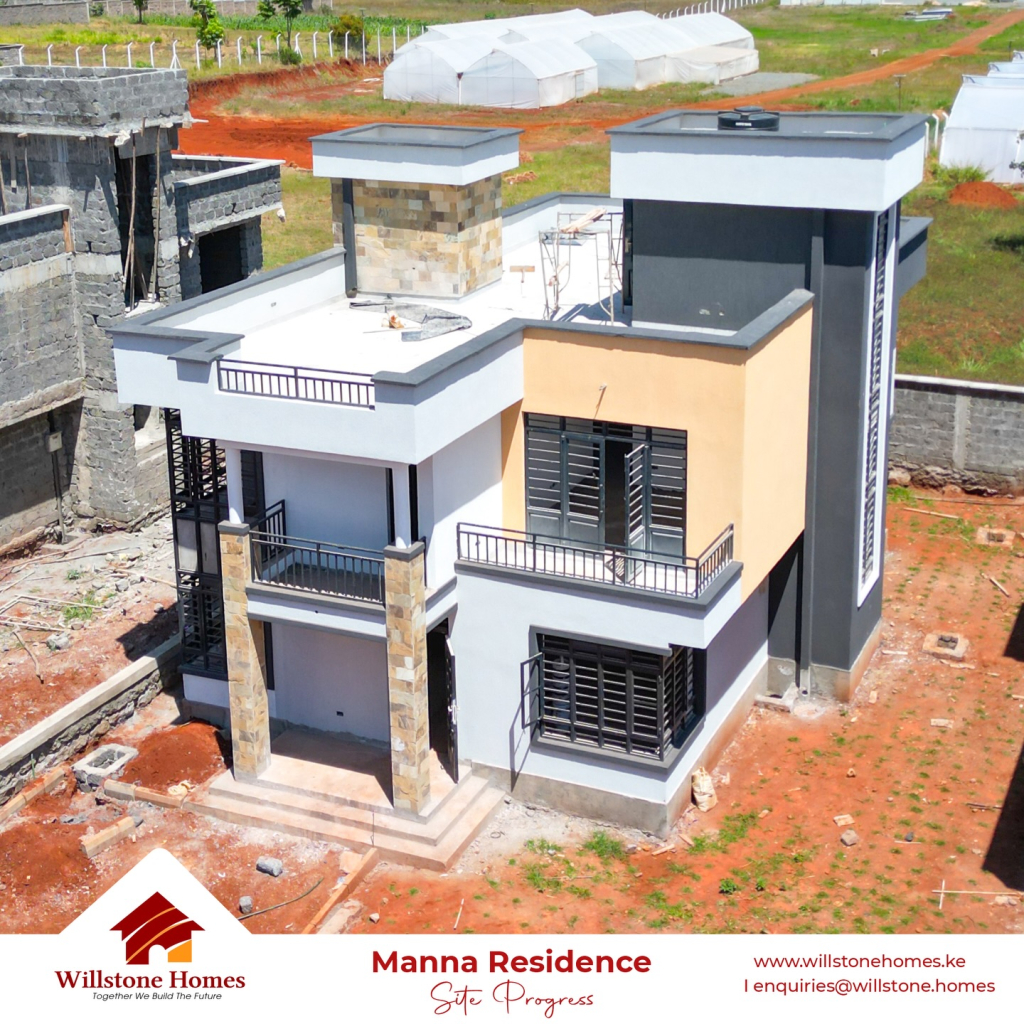
The flight to student housing and co-living is driven by a massive demographic mismatch that traditional property developers in Nairobi ignored for a decade. While developers built luxury towers for an expatriate demographic that isn’t growing fast enough, Kenya’s student population has exploded.
Major public and private universities clustered around the Thika Road corridor, Juja, Karen, and the Waiyaki Way belt enroll hundreds of thousands of students annually. Yet, internal university hostels accommodate less than 10% of their student body. This massive supply-demand deficit is why the sector is proving to be incredibly resilient.
Read Also: Total Cost of Occupancy (TCO) vs. Base Rent: The New Tenant Math
                  The High-Yield Pivot
   ┌──────────────────────────────────────────────────┐
   │  Kilimani/Westlands Airbnb                       │
   │  • Volatile Occupancy (30-35% Median)            │
   │  • High Operational Cost (Cleaning, Booking fees)│
   │  • Net Yields compressed to 4% - 5%              │
   └────────────────────────┬─────────────────────────┘
                            │ Savvy Capital Shift
   ┌────────────────────────▼─────────────────────────┘
   │  Satellite Student Housing / Co-Living            │
   │  • Guaranteed Structural Demand                  │
   │  • Long-Term Academic Leases (95%+ Occupancy)    │
   │  • Net Yields hitting stable 9% - 11%            │
   └──────────────────────────────────────────────────┘
When investors look for apartments for sale in Nairobi’s peripheral student nodes, they discover that bedsitter yields are highly predictable. Students do not care about infinity pools or European kitchen finishings; they prioritize three foundational utilities: tight biometric security, reliable high-speed internet, and uninterrupted water supply.
By building or investing in properties optimized around these exact criteria, major operators like Acorn Holdings (under the Qwetu and Qejani brands) are achieving massive commercial scale, raising billions through green bonds to fund regional expansions.
How to Position Your Capital

If you want to secure a sustainable buy to let in Kenya asset that outperforms the broader market, it is time to pivot away from the oversaturated urban core. The rules for winning the co-living and student housing boom require strict discipline:
- Target the 15-Minute Campus Radius: Do not buy blindly. The asset must sit within walking distance or a single short bus ride from a major institutional anchor.
- Build for Density, Price for Cash Flow: Maximize your rentable square footage by choosing properties designed for multiple single or twin-sharing layouts.
- Leverage Professional Property Managers: Student housing is an operational sport. Partner with specialized management brands that handle everything from security to token collections, ensuring your investment remains truly passive.
The conclusion is clear: the era of easy, speculative short-stay returns in central Nairobi has closed. The next wave of wealth creation belongs to the pragmatic investors who exchange the volatile glamour of holiday lets for the steady, unyielding cash flows of institutional student accommodation.
Read Also:Why PropTech in Kenya is Trapped in a Feedback Loop (and How to Fix It)