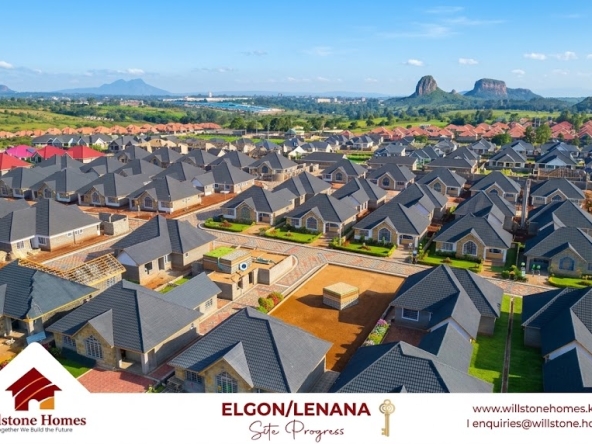

For the last decade, the mainstream media has beaten a predictable drum: a relentless real estate investment in Kenya boom. Glitzy billboards along the Nairobi Expressway pitch glossy promises of double-digit returns, urging buyers to snap up vertical slices of the sky. But beneath the marketing sheen, a massive structural divergence is playing out across the capital.
The recently released HassConsult Property Price Index confirms that a sharp oversupply of apartments has finally broken the pricing leverage of landlords in high-density corridors. While overall house prices in Nairobi notched modest gains due to a parallel surge in demand for standalone homes, the apartment market in premium hubs is experiencing a fierce, silent price correction.
The Epicenter of the Shift: Westlands and Upper Hill

The numbers don’t lie. Year-on-year data reveals that apartment sale prices have contracted sharply in areas previously considered untouchable by vacancy. Westlands led the drop with a 7.9% decline, closely followed by Upper Hill at 6.8% and Lavington at 6.4%. Even long-time investor favorites like Kilimani apartments and Riverside nodes have stagnated or dipped into negative territory.
Nairobi Apartment Price Correction (Year-on-Year)
├── Westlands:    ▼ 7.9%
├── Upper Hill:   ▼ 6.8%
├── Lavington:    ▼ 6.4%
└── Riverside:    ▼ 0.7%
This isn’t a minor market hiccup; it is a fundamental rebalancing. For years, property developers in Nairobi built upwards at a breakneck pace, catering to a speculative class of buyers looking to buy to let in Kenya. Millions of shillings chased identical 1-bedroom and studio floor plans, heavily betting on an endless stream of expatriates and corporate tenants.
Instead, a perfect storm of a softening corporate leasing market and flattened household purchasing power has left hundreds of units sitting empty. Walk through parts of Rhapta Road or the inner lanes of Kilimani at 8:00 PM, and the dark, unlit windows reveal the truth: Nairobi has developed a sub-class of modern “tenancy ghost towns.”
Read Also:The Realist Guide to Nairobi Neighborhoods for Young Professionals (2026 Edition)
Desperate Landlords and “Crazy” Incentives
To fight rising vacancy rates, the power dynamic has swung completely in favor of the tenant. Landlords who once demanded rigid two-month deposits and strictly enforced annual rent escalations are quietly capitulating.
The market is now defined by aggressive tenant-grabbing incentives. It is no longer uncommon to see property managers offering “one or two months rent-free” to sign a one-year lease. Other landlords are absorbing the cost of service charges, offering free high-speed internet, or funding custom interior modifications just to protect their cash flow.
For highly leveraged owners, the math is brutal. With commercial bank mortgage rates averaging 16.5%, a KSh 15 million apartment loan requires a monthly repayment exceeding KSh 210,000. Forcing an unyielding rental price tag on an oversupplied market results in prolonged vacancy. The mathematics of vacancy are final: a unit vacant at KSh 120,000 earns nothing, forcing owners to price for reality rather than aspiration. Consequently, actual rental yield in Nairobi’s high-end vertical hubs has compressed to a net 3% to 4.5% after accounting for taxes, management fees, and periods of zero occupancy.
The Flight to Space: Why Standalone Houses are Booming
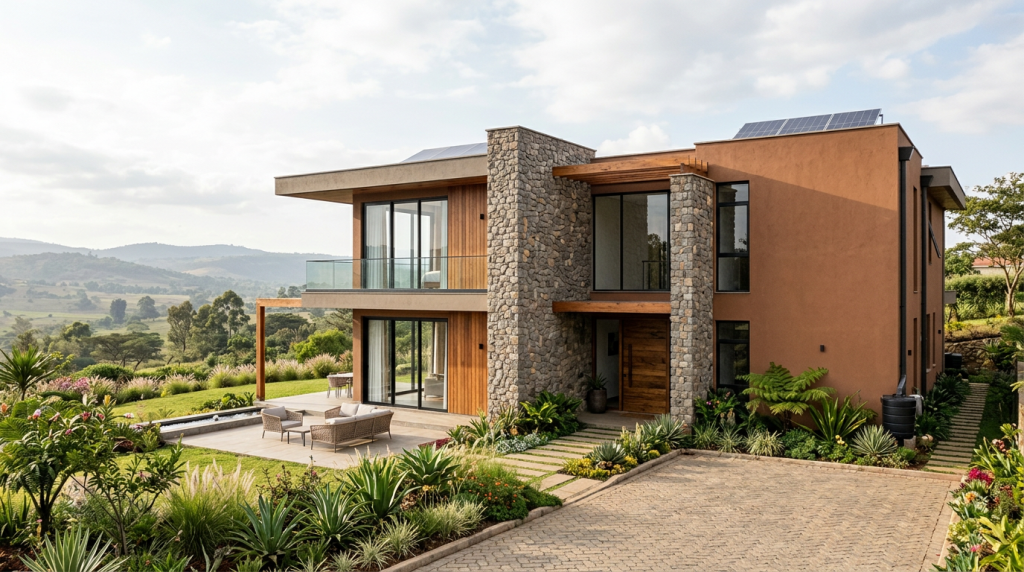
As the vertical market cools, a completely different story is unfolding in the horizontal market. Wealthier local buyers and diaspora real estate investors are actively pulling their capital out of dense urban blocks and redirecting it toward land and low-density housing.
Driven by a permanent post-pandemic shift toward hybrid work and a growing desire for lifestyle security, demand for gated community houses for sale in Nairobi and its premium immediate suburbs has skyrocketed. High-net-worth families are bypassing the congestion of high-rise nodes for the breathing room offered by standalone villas in Lavington, Spring Valley, and master-planned estates along Kiambu Road.
Buyers have realized that when you buy a commoditized apartment, you are buying a depreciating structure with minimal fractional land ownership. When you buy into a low-density gated estate, you are buying land—the true driver of long-term capital appreciation.
Read Also:The Commercial Pivot: Capital Realignment in Kenya’s Real Estate Market
The New Investor Playbook
If you are looking at apartments for sale in Nairobi today, the old speculative playbook of buying purely on a developer’s brochure is officially obsolete. Navigating the market successfully now requires a disciplined approach:
- Prioritize Livability Over Density: Avoid blocks that cram hundreds of identical micro-units onto a single half-acre lot. Target developments offering larger, more functional layouts (like minimum 100 SQM for 2-bedrooms) that attract stable, long-term family tenants.
- Audit the Infrastructure, Not Just the Address: Do not assume a luxury address guarantees premium services. Buildings featuring robust, eco-conscious infrastructure—such as smart water recycling systems, solar power integration, and responsive property management—maintain high retention rates even during market downturns.
- Verify Titles Digitally: Fraud anxieties remain high. Ensure any project or plot has a clean, traceable title through an Ardhisasa verification before committing deposit funds.
The Nairobi market isn’t collapsing; it is maturing. The current correction is a healthy pruning of unsustainable speculation, teaching investors a timeless real estate lesson: value is never driven by supply alone, but by genuine, sustainable demand.