
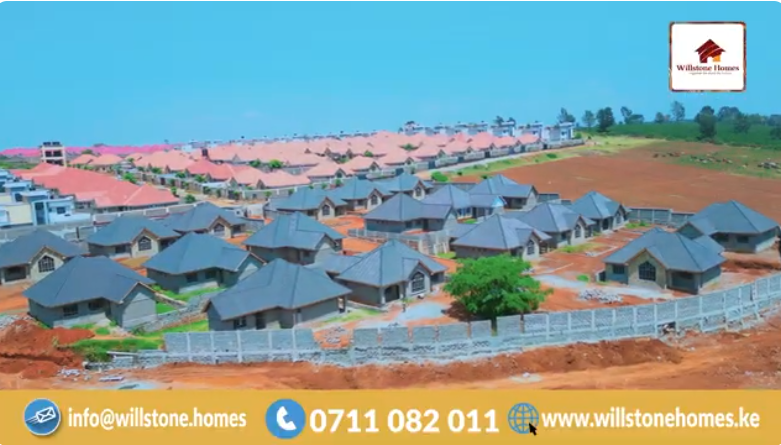
In Nairobi’s fast-growing suburbs, gated communities and planned estates are no longer just about plots and walls. Savvy buyers increasingly weigh the internal ecosystem—shops, gyms, schools, clinics, and recreational spaces—when deciding where to invest. This phenomenon, which we call the Estate Economy, is quietly redefining property values Nairobi and shaping off-plan sales strategies across the city.
The rise of integrated estates—from Ruiru to Kitengela and Kamulu—demonstrates that Nairobi real estate trends are now heavily influenced by amenities within the estate perimeter. Developers are responding, and investors are paying close attention to the invisible infrastructure that drives long-term property appreciation.
Why Internal Markets Matter

- Convenience Drives Premiums
Homeowners prioritize access to daily essentials. Estates with internal supermarkets, gyms, and daycare facilities reduce travel time and elevate lifestyle quality. Buyers are willing to pay 5–15% more for homes in such estates, according to a 2024 survey by the Kenya Property Developers Association (KPDA). - Education as a Value Multiplier
Proximity to quality schools within estates—both primary and secondary—has become a decisive factor. Families often select estates with internal schools rather than relying solely on public institutions outside the gate. In areas like Ruiru and Juja Farm, estates offering schooling facilities have seen higher occupancy rates and faster off-plan sales. - Health and Fitness Influence Demand
Gyms, jogging tracks, and wellness centers within estates contribute to higher rental yields. Properties in estates with gyms show up to 10% faster rental uptake compared to estates without fitness amenities. - Internal Retail Boosts Community Stability
Mini-malls, convenience stores, and salons inside estates create a micro-economy, keeping money circulating within the estate. This strengthens social cohesion, reduces resident churn, and indirectly maintains property value growth along Nairobi estates.
Table: Impact of Internal Amenities on Property Values Nairobi (2024)
| Amenity | Average Premium on Property Prices | Buyer Priority Level | Rental Demand Impact |
|---|---|---|---|
| Internal School | 12–15% | Very High | High |
| Mini-Mall / Shops | 5–10% | High | Medium |
| Gym / Fitness Center | 3–7% | Medium | Medium-High |
| Clinic / Pharmacy | 4–8% | Medium | Medium |
| Playground / Sports Field | 2–5% | Medium | Medium |
(Source: KPDA Nairobi Estate Survey, 2024)
Internal Markets as a Predictor of Estate Growth

Internal amenities not only enhance current property demand but also indicate long-term value appreciation. Estates that invest in internal markets early often see:
- Higher property turnover rates
- Faster off-plan sales absorption
- Increased investor confidence
- Enhanced Nairobi housing market data credibility
For instance, Ruiru’s Membley Ridge Estate incorporated a school and a mini-mall from the beginning. Within three years, property prices in the estate rose 18% faster than neighboring estates without these amenities.
Developers Adjusting to Estate Economy Trends
Leading developers are now integrating micro-economies in their project designs. Observations include:
- Gated Communities with Multi-Functional Spaces: Estates now reserve plots for retail, fitness, education, and recreation.
- Phased Amenities Rollout: Some developers offer plots first and gradually add internal amenities, boosting off-plan sales and maintaining buyer interest.
- Partnerships with Service Providers: Developers collaborate with gyms, schools, and shops to create ready-made tenant markets.
The result: residents experience convenience, while real estate investment Nairobi becomes less speculative and more lifestyle-driven.
Where Estate Economy Is Thriving in Nairobi

- Ruiru / Membley Extension: Integrated mini-malls, primary schools, and fitness centers.
- Kitengela / Acacia Ridge: Focus on family-friendly schools and recreation facilities.
- Kamulu / Joska Estates: Smaller retail pods, clinics, and community centers.
- Athi River / Syokimau New Estates: Combination of gated schools, health services, and gyms.
These estates are now outperforming older subdivisions in property value growth along Nairobi estates due to convenience and internal market integration.
Challenges and Considerations
Despite clear benefits, developers face challenges:
- High upfront costs for building and managing internal amenities
- Operational complexity for retail and educational facilities
- Regulatory approvals for commercial operations within residential zones
- Uneven uptake if residents do not fully use the amenities, which may reduce perceived value
Nevertheless, early data shows that estates that prioritize internal markets outperform peers over a 5–7 year horizon.
The Estate Economy is transforming how Kenyans assess suburban property. Amenities within the estate—not just the plot location—have become a primary determinant of both current demand and long-term appreciation.
As Nairobi real estate trends evolve, savvy investors now view internal markets as a key valuation metric, alongside traditional factors like security, location, and developer reputation. In practical terms, the best estates to live in Nairobi are increasingly those that provide an integrated ecosystem: schools, shops, gyms, clinics, and leisure spaces—all within the safety and convenience of a gated community.
The message for buyers and investors is clear: a property’s value is no longer just in its walls; it’s in its ecosystem. Developers who understand the Estate Economy are already enjoying faster sales, higher premiums, and stronger long-term retention.