

The Nairobi housing market is entering a new growth phase, but the forces shaping this cycle are no longer dominated by migration statistics or headline urbanisation figures.
Not population growth.
Not rural-urban movement.
Instead, the real engine of demand in the Nairobi real estate market 2026 is changing household structure.
Across the wider Kenya real estate market, shrinking household sizes, delayed marriage and the return of multi-generation living are quietly redefining how many homes are needed, what types of homes are built and where new demand is emerging.
Population growth is no longer the main housing demand signal
For decades, projections within the Nairobi housing market relied heavily on population growth as the primary indicator of future housing demand.
However, population totals alone no longer explain the pace and pattern of absorption in many residential sub-markets.
What increasingly matters is how many people occupy each household.
When average household sizes fall, the number of housing units required rises — even if population growth remains moderate. This structural shift is already becoming visible in several urban neighbourhoods across Nairobi.
Shrinking household sizes are expanding unit demand

Shrinking household sizes in Nairobi are one of the most powerful but under-analysed drivers of future housing demand.
Young professionals are living alone for longer, couples are delaying children, and single-person households are rising across major employment corridors. Each of these trends increases the number of housing units required per capita within the Nairobi housing market.
This is one of the key reasons why smaller and mid-sized units continue to record faster absorption than larger family homes in many locations.
For investors, this structural shift supports sustained demand for entry- and mid-level units across the Nairobi real estate market 2026.
Read Also: How Nairobi’s New Physical Addressing System Will Change Property Valuation and Sales
Delayed marriage is reshaping housing preferences
Delayed marriage in Kenya is quietly changing how households interact with the Nairobi housing market.
Instead of prioritising large family homes early in their careers, many urban professionals are focusing on:
- proximity to employment centres,
- lower maintenance living,
- and secure, well-managed developments.
This is strengthening demand for well-located apartments and mixed-use developments, particularly in areas with strong transport access and lifestyle infrastructure.
From a supply perspective, this alters how developers design and position new projects across the wider Kenya real estate market.
The return of multi-generation living is creating a parallel demand stream
At the opposite end of the demographic spectrum, multi-generation households in Nairobi are increasing.
Rising living costs, childcare needs and income pressures are encouraging families to pool resources and share accommodation.
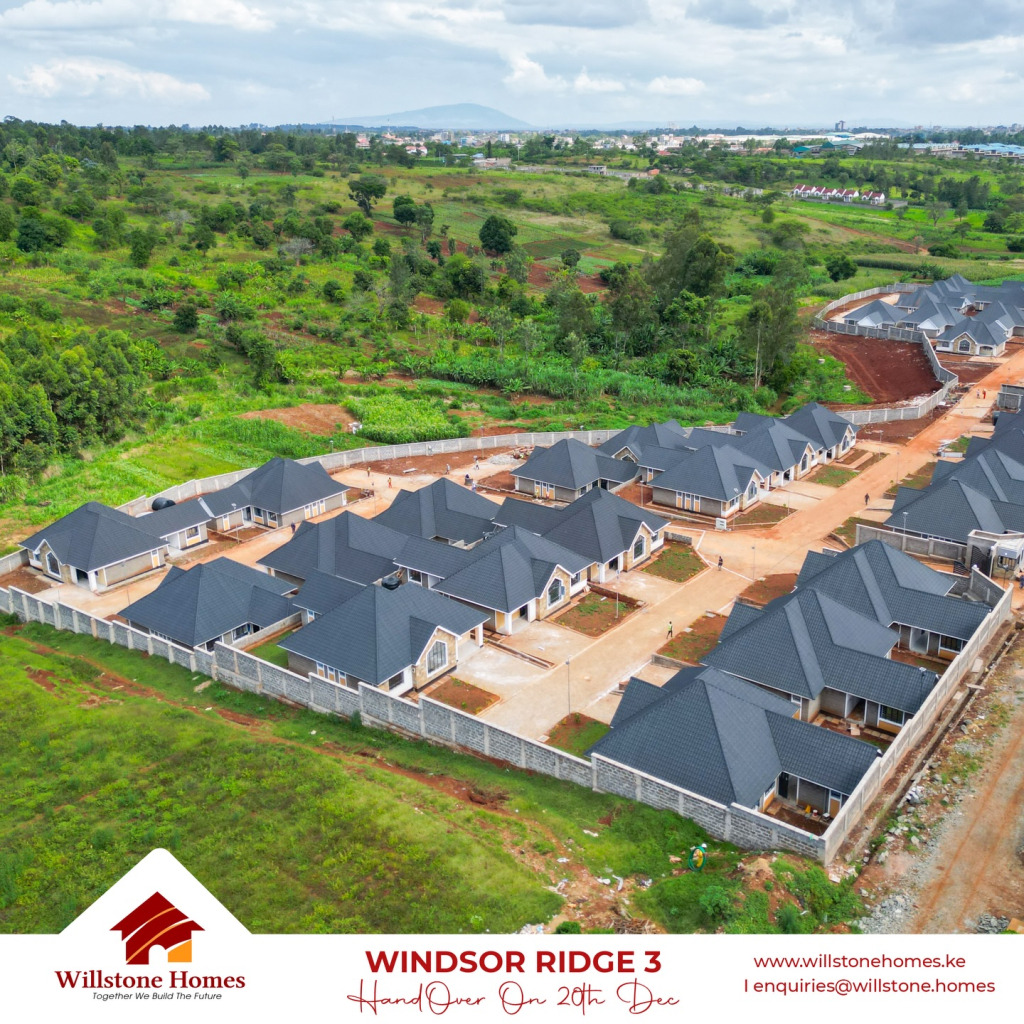
This shift is generating renewed demand for homes that can comfortably support extended families within the Nairobi housing market.
Larger layouts, additional bedrooms, flexible internal spaces and compound-style developments are increasingly favoured by this segment.
This demand is particularly visible in low-density neighbourhoods and emerging suburban zones.
Household structure is reshaping where demand concentrates
Smaller households typically prioritise convenience, access and mobility. Multi-generation families prioritise space, security and long-term stability.
The result is a more fragmented geography of demand within the Nairobi housing market.
Well-connected inner and middle-ring neighbourhoods are benefiting from strong small-household demand, while larger homes and family-oriented estates continue to perform in outer residential zones.
This is no longer a simple story of suburban expansion — it is a reflection of diverging household needs.
Why developers must rethink product design
Traditional residential developments in Nairobi have historically assumed a standard nuclear family as the default buyer.
That assumption is becoming less accurate.
Household structure in Kenya is diversifying, and developers who fail to reflect this diversity risk producing mismatched supply within the Nairobi housing market.
Projects increasingly require:
- flexible layouts that can be adapted over time,
- efficient unit sizing for smaller households,
- and expandable or dual-use spaces suitable for extended families.
These design considerations are now becoming central to feasibility planning across the Nairobi real estate market 2026.
Read Also: Nairobi Real Estate Market 2026: High-Cash Buyers vs Mortgage-Dependent Buyers
Investment implications for the next cycle
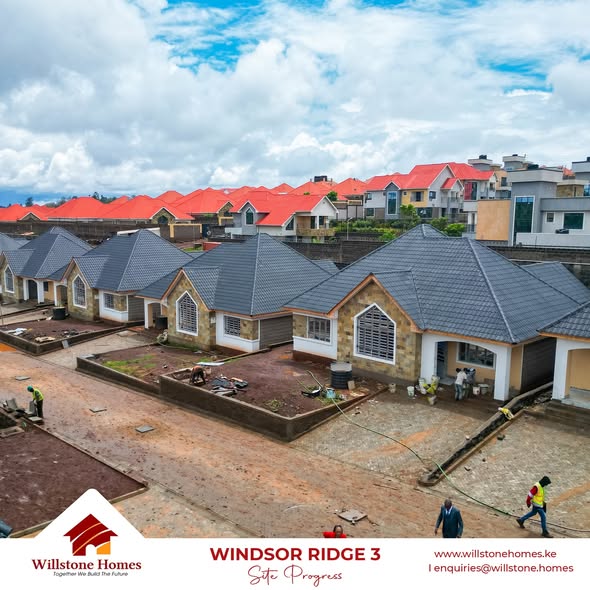
Household structure does not trigger rapid price spikes, but it steadily deepens demand.
Smaller units benefit from broader buyer and tenant pools, while larger flexible homes benefit from multi-income households with stronger combined purchasing capacity.
This dual demand base strengthens the resilience of the Nairobi housing market, particularly during periods of economic pressure.
For investors operating within the Kenya real estate market, understanding household composition is becoming as important as location when assessing long-term performance.
The next growth cycle in the Nairobi housing market will not be driven by headline population numbers.
It will be driven by how households are formed, how long people live alone, when families are created and how often extended families share housing.
Shrinking household sizes, delayed marriage and the rise of multi-generation living are reshaping real demand beneath the surface of the Nairobi real estate market 2026.
For developers, investors and planners, aligning strategy with evolving household structure in Kenya will be critical to capturing the next wave of opportunity in the wider Kenya real estate market.