

The Quiet Crisis in Homeownership
Across global cities like Nairobi, London, Toronto, and Mumbai, a growing pattern is emerging—people are buying homes that stretch their finances to the limit or even beyond.
On paper, they “qualify” for mortgages. In reality, many are becoming house-poor—owning property but struggling with monthly living costs.
This is not just poor financial planning. It is a structural issue driven by income stagnation, rising property prices, emotional pressure, and limited housing supply.
In Kenya, for example, studies show that over 70% of urban households face housing affordability challenges, with mortgage costs often mismatched to income levels .
So why does this keep happening?
Read Also: Read Also: House Designs for 50×100 Plots in Kenya: Smart, Stylish & Practical Ideas
1. The Income vs Property Price Gap (The Core Problem)

One of the biggest drivers is the widening gap between earnings and real estate prices.
In Nairobi and other urban areas:
- Property prices have risen faster than wages
- Construction and land costs continue to rise
- Middle-income buyers are priced into smaller or longer loans
A recent market analysis shows that home prices in Kenya have consistently outpaced average income growth, creating a structural affordability gap .
📊 Simple Illustration of the Gap
| Factor | Trend Over Last 10 Years | Effect |
|---|---|---|
| Property prices | ↑ Rapid increase | Homes become less affordable |
| Average income | ↑ Slow growth | Lower purchasing power |
| Mortgage rates | ↑ Fluctuating but high (~15–17%) | Higher monthly repayments |
| Construction costs | ↑ Rising | Pushes prices further up |
👉 Result: Buyers stretch budgets just to enter the market.
2. Mortgage Illusion: “If I Qualify, I Can Afford It”

Banks approve loans based on maximum borrowing capacity, not comfort level.
This creates a dangerous illusion:
- A buyer qualifies for a loan
- Therefore assumes affordability
- Ignores long-term financial pressure
In Kenya, rising interest rates have made this worse. Higher rates increase monthly repayments, shrinking real affordability even when loan approval is granted .
👉 Key insight:
Loan approval ≠ financial comfort
3. The Psychology of Homeownership Pressure
Buying a home is not just financial—it is deeply emotional and social.
Common psychological drivers include:
Social Expectation Pressure
- “You are successful only when you own property”
- Family expectations push early buying decisions
Fear of Being Left Behind
- Rising prices create urgency: “If I don’t buy now, I never will”
Status Signaling
- Location and house size become symbols of success
Loss Aversion
- People fear renting “forever” more than debt stress
👉 Result: Buyers accept financial strain to achieve ownership.
4. The “Rent vs Buy Fear Trap”
Many buyers believe renting is “wasted money.”
This leads to rushed decisions:
- Overstretching for mortgage approval
- Ignoring hidden costs (maintenance, insurance, taxes)
- Underestimating lifestyle pressure
But in reality, ownership comes with additional costs:
- Repairs and maintenance
- Insurance premiums
- Property taxes
- Utilities and service charges
These hidden costs can significantly increase total monthly housing burden.
Read Also: Renting Without Agents: Inside Nairobi’s WhatsApp Housing Economy
5. Supply Shortage & Urban Migration Pressure

In cities like Nairobi:
- Population growth is rapid
- Urban migration continues steadily
- Housing supply cannot keep up
This imbalance pushes prices upward.
Global research confirms that demand consistently exceeds supply in major cities, worsening affordability pressures .
👉 When supply is limited, buyers compete—and overpay.
6. Cash Buyers & Market Distortion
Another overlooked factor is the rise of:
- Cash buyers
- Diaspora investors
- Institutional investors
These groups:
- Don’t rely on mortgages
- Can pay above average market price
- Push prices beyond what salary earners can match
This creates a split market:
- Wealth buyers → dominate prime properties
- Salary buyers → forced into stretching or compromising
7. Fear-Based Buying: “Act Now or Miss Out”
Real estate marketing often uses urgency:
- “Last units available”
- “Prices will rise next month”
- “Limited plots in prime location”
This triggers emotional buying rather than rational budgeting.
👉 Buyers stretch finances because they believe opportunity is disappearing.
8. The Hidden Cost of Overstretching
When people buy beyond comfort level, the consequences are predictable:
Financial Impact
- High debt-to-income ratio
- Reduced savings ability
- Limited investment diversification
Lifestyle Impact
- Reduced quality of life
- Stress from monthly repayments
- Difficulty handling emergencies
Long-term Impact
- Delayed retirement savings
- Risk of default or resale pressure
9. The Real Estate Affordability Reality in Kenya
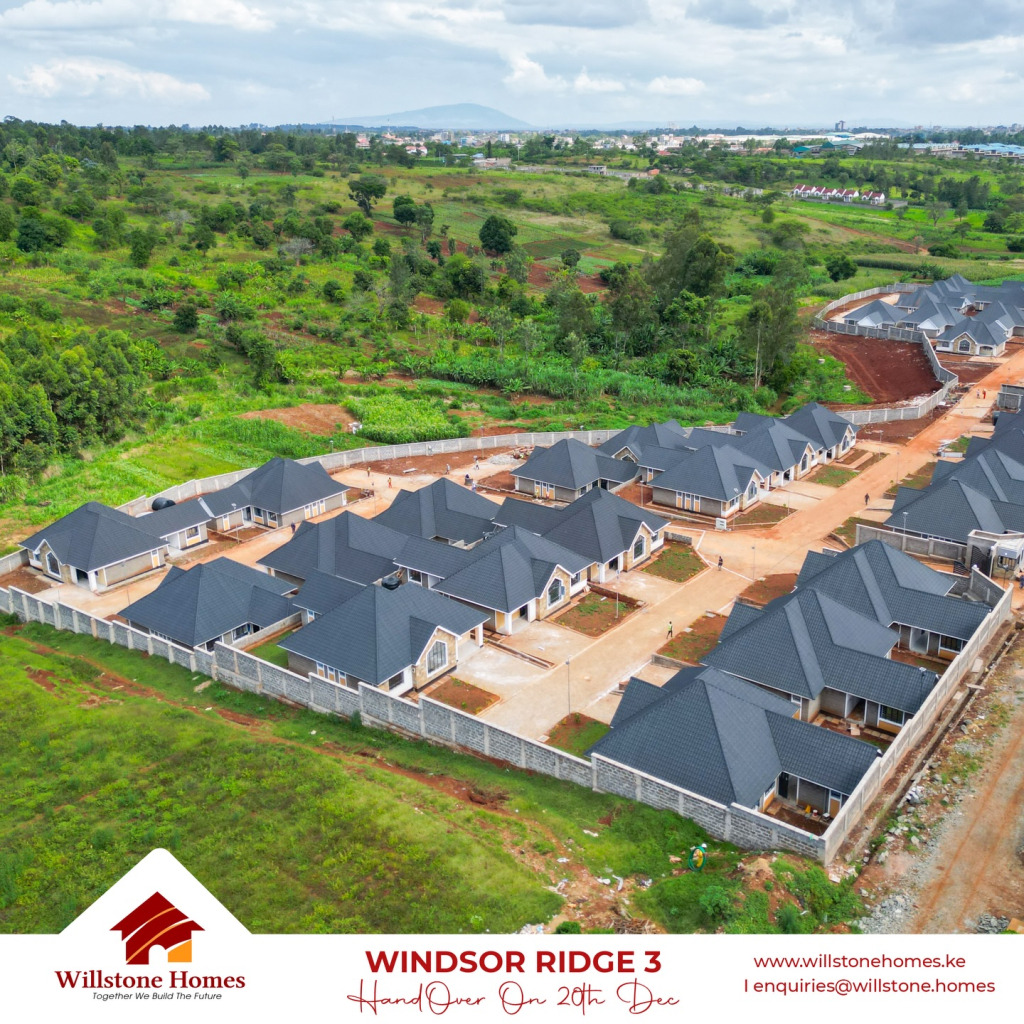
A key market reality:
- Only a very small percentage of Kenyans can afford mid-range mortgages
- Many buyers rely on informal financing or long-term savings
- Mortgage penetration remains extremely low
For example, reports show that only a small fraction of Kenyans can comfortably access formal home financing at standard price levels .
Buying Emotion vs Buying Capacity
People don’t buy unaffordable homes because they are financially unaware.
They do so because of a combination of:
- Emotional pressure
- Market fear
- Income constraints
- Banking structures
- Social expectations
💡 Key takeaway:
Most home buying decisions are driven by urgency, not affordability.