
The Hidden Social, Psychological, and Financial Costs of Building in Kenya’s Emerging Neighbourhoods
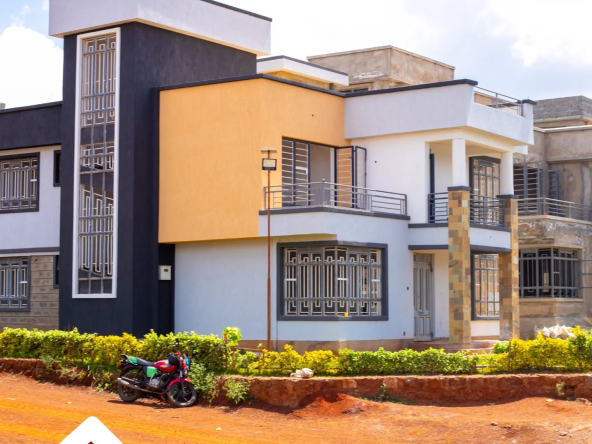
For many Kenyans, buying a plot in an emerging residential area is the ultimate milestone. Fast-growing satellite hubs along the Kangundo Road corridor—such as Joska, Malaa, and Kamulu—attract prospective homeowners looking for opportunities to own land and build homes at prices that are difficult to afford in more established Nairobi suburbs.
The dream is straightforward: acquire a plot, construct a comfortable house, and settle down with your family. There is the promise of space, privacy, and the undeniable pride of living in a home built through years of hard work and sacrifice.
However, there is a side to this dream that rarely gets discussed.
What happens when you finish building your house, move in, and discover that most of the surrounding plots are still empty? What if the neighbours you expected to meet are years away from building, the nearest shops are far away, and the neighbourhood remains quiet long after you imagined it would become a thriving residential community?
This is one of the less-discussed challenges of building in an emerging neighbourhood. The house may be ready, but the environment needed to make it a comfortable place to live may take years to develop.
1. The Loneliness of Being Among the First Homeowners
A subdivision can have dozens of surveyed plots and still have very few people living in it. Some owners may be saving to build, others may be waiting for land prices to rise, while some purchased plots for speculation or for their children to use in the future.
For the person who has already constructed a home, this creates an unexpected sense of isolation:
- No informal social connections: There are few nearby families to socialise with, no local shopkeepers for quick chats, and limited opportunities for children to play outside with peers.
- The “Nairobi Contrast”: For people moving from busy estates or apartment blocks in Nairobi, the contrast is stark. Moving into a sparsely settled area where everyday interactions disappear overnight can feel jarring.
Key Insight: While some homeowners actively prefer solitude, buyers who value community interaction must recognise that purchasing a plot does not automatically grant you a ready-made residential network.
2. When Security Becomes a Sole Personal Responsibility
Living among widely separated, vacant plots directly influences how you handle safety and property protection.
Where few houses are occupied, there are no neighbours to notice unusual activity, keep an informal eye on your gate, or assist during an emergency. Homeowners who travel frequently or leave early for work often feel particularly anxious about leaving their properties unattended.
The Hidden Out-of-Pocket Upfront Costs:
- Investing in higher perimeter walls, razor wire, and automated gates.
- Installing standalone solar security lighting, CCTV camera networks, and alarm systems.
- Hiring private night guards or funding lone security patrols.
While these measures protect your investment, they significantly increase the initial cost of settling in a new area. Prospective buyers should investigate actual local security arrangements rather than rely on rumors or surface appearances.
3. The Neighbourhood Takes Longer to Develop Than Your House
One of the biggest misconceptions about buying land in a developing area is assuming that surrounding plot owners will build on your schedule.
A buyer might visit an estate, see three or four houses under construction, and assume the entire neighbourhood is about to take shape. However, every plot owner operates on a completely different financial timeline:
- Neighbour A: Builds within a year.
- Neighbour B: Postpones construction for 5 to 10 years while raising capital.
- Neighbour C: Holds the plot purely as a long-term land-banking asset with zero intent to build.
As an early homeowner, you may have to live alongside overgrown bushes, untamed vegetation, dust, or informal rubbish dumping on vacant plots for years before the estate fully matures.
4. Daily Convenience & The Real Cost of Commuting
A well-designed house offers comfort, but the quality of daily life depends heavily on what lies beyond your gate.
In some emerging locations, essential services—supermarkets, pharmacies, schools, and healthcare facilities—are not yet nearby. Public transport options may be limited, while access roads can be dusty during dry months and difficult during heavy rains.
The Commuting Burden Can Undermine Land Savings
Affordability is often the primary reason buyers choose land farther from Nairobi. However, lower land costs must be balanced against the recurring operational expenses of living there:
- Monetary Drain: Increased daily fuel consumption, vehicle maintenance, parking fees, or public transport fares.
- Lifestyle Drain: Hours spent in traffic mean less time for rest, personal hobbies, and family life.
- The Second Vehicle Trap: Families often find themselves forced to acquire a second car to handle school runs and daily errands independently.
5. The Psychological Gap Between Expectation and Reality
Building a home is an emotional achievement—it represents years of personal sacrifice, discipline, and vision. That emotional investment can make it hard to acknowledge when the surrounding environment fails to meet your expectations.
Disappointment rarely stems from the quality of the house itself. Instead, it arises from the gap between the lifestyle you imagined (children playing outside, friendly estate walks, convenient shopping) and the quiet, isolated reality the location currently allows.
6. Practical Checklist: How to Assess an Area Before You Build
Buying land in an emerging corridor remains a sound, proven route to homeownership in Kenya. The secret is understanding the reality of the location before committing construction funds.
The Pre-Construction Due Diligence Checklist:
- [ ] Visit in All Seasons: Inspect access roads during both the dry season and peak rains.
- [ ] Speak to Current Residents: Ask existing homeowners about water reliability, power stability, security, and hidden estate expenses.
- [ ] Audit Vacant Plots: Observe whether nearby plots are maintained or overgrown, and confirm if local amenities are operational or just planned on paper.
- [ ] Calculate Total Lifestyle Cost: Factor commuting, security upgrades, and utility installation into your overall monthly household budget.
- [ ] Ask the Key Question: “Would my family be comfortable living in this area exactly as it exists today, even if development takes another 5 years?”
Build Smart with the Right Real Estate Partner
Choosing where to settle involves more than buying land and erecting walls. It means choosing the roads your family will travel every day, the services you can access, the community surrounding you, and the environment where everyday life unfolds.
Some buyers thrive as pioneers, accepting temporary inconvenience in exchange for space, affordability, and future appreciation. Others prefer buying within established, master-planned gated communities where infrastructure, security, and amenities are already operational.
Neither path is wrong—it simply depends on your family’s needs.
At Willstone Homes, we believe informed decisions begin with the complete picture. Whether you are looking for ready-to-occupy homes or verified, build-ready plots along Nairobi and Kiambu’s primary growth corridors, we deliver genuine value and peace of mind.
Talk to Us Today
- 📞 Call / WhatsApp: +254 711 082 011
- ✉️ Email: [email protected]
- 🌐 Website: willstonehomes.ke
Willstone Homes — Home of Real Estate Value.