

For many years, property performance in Kenya was largely explained by address and neighbourhood reputation. Today, however, a quieter but more powerful driver is reshaping asset performance: utility infrastructure in real estate. In mature residential sub-markets of Nairobi, it is now common to find two developments with similar finishes, pricing and layouts producing very different results. The difference is rarely branding or marketing. It is operational reliability.
This shift matters especially for professional and institutional buyers, because infrastructure directly determines operating stability, tenant behaviour and long-term asset risk. In practice, infrastructure has become one of the most decisive rental performance drivers in the Kenya property market.
Electricity reliability is now a competitive advantage
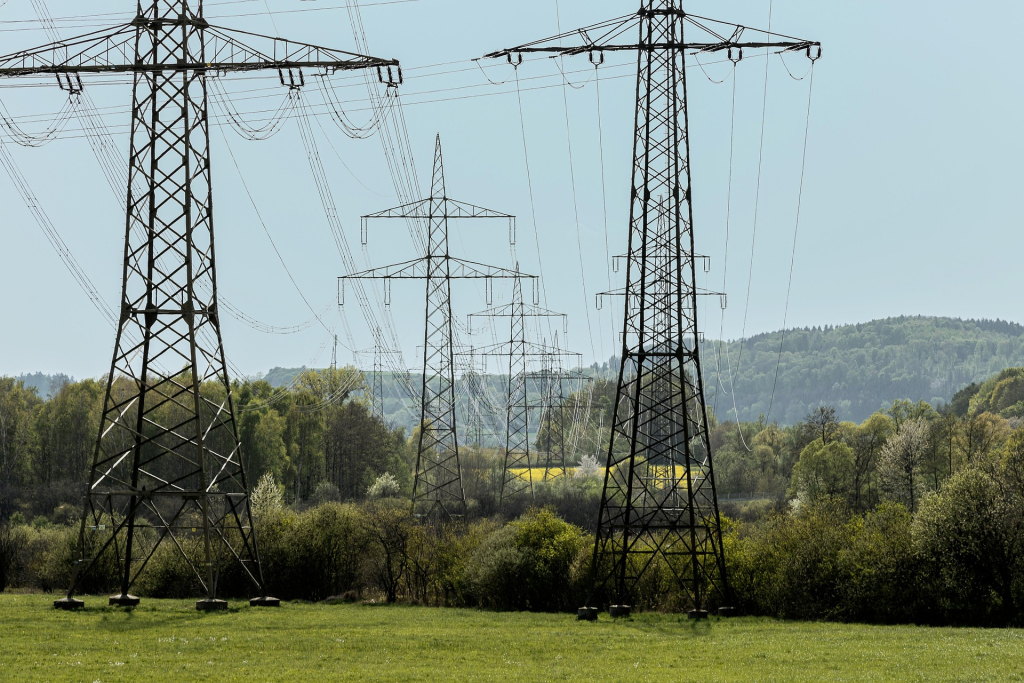
Access to power is no longer enough. What increasingly separates strong assets from weak ones is electricity reliability in residential estates. Tenants, particularly professionals and remote workers, now evaluate a home on how often power is disrupted and how quickly systems recover.
In developments where internal electrical design is weak, transformers are undersized or backup systems are poorly maintained, outages translate into daily inconvenience. Over time, this inconvenience becomes a reputational issue for the building itself. Property managers are forced to respond to frequent complaints, short-stay operators suffer cancellations, and professional tenants quietly move to nearby developments that offer greater stability. A neighbouring building with stable supply and properly engineered backup power will therefore record higher occupancy and longer average tenancy, even when both projects charge similar rent.
From an investment perspective, electricity reliability is no longer a technical feature. It is directly tied to tenant retention in residential real estate.
Water predictability now shapes how long tenants stay

A similar pattern is emerging around water supply reliability for apartments. In many estates, municipal water exists, but supply is intermittent and unpredictable. Developments that rely solely on inconsistent public supply often experience continuous tenant dissatisfaction, particularly in higher-end or professionally occupied buildings.
Where a project has sufficient storage capacity, reliable pumping systems and a professionally managed alternative source, tenants experience fewer disruptions and are more willing to tolerate modest rent adjustments. Over time, this translates into lower vacancy cycles and reduced pressure on property managers to discount rents simply to keep units occupied.
Water predictability therefore plays a direct role in stabilising income. It has become a subtle but powerful contributor to operational risk in property investments.
Read Also: How to Convert Residential Land to Commercial Land in Kenya
Sewer connectivity is a long-term risk filter
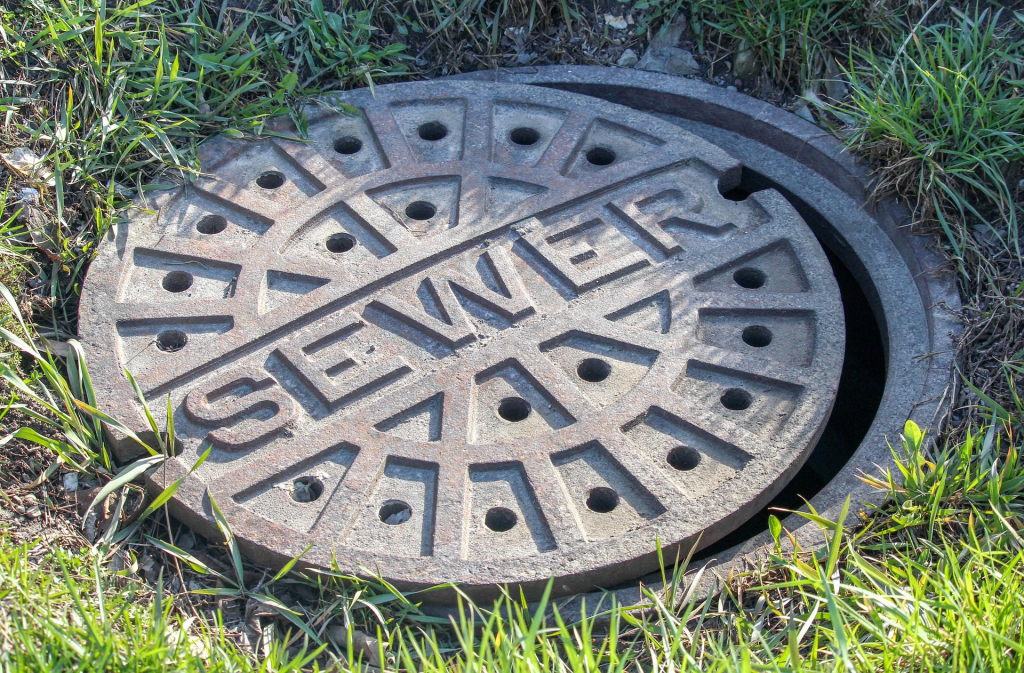
Unlike finishes or amenities, sewer systems rarely appear in sales brochures. Yet sewer connectivity for property developments is one of the clearest indicators of whether a residential asset is truly institutional-grade.
Projects that rely on undersized or poorly engineered on-site systems tend to experience growing operational challenges as occupancy increases. Maintenance costs rise, complaints become frequent and regulatory scrutiny intensifies. These risks are not always visible in the early years of a project, but they steadily erode performance and resale attractiveness.
By contrast, developments connected to formal sewer networks are easier to operate, easier to insure and far easier to underwrite during acquisition or exit. For professional capital, sewer access is increasingly treated as part of infrastructure due diligence rather than a basic compliance item.
Internet backbone access is reshaping tenant profiles
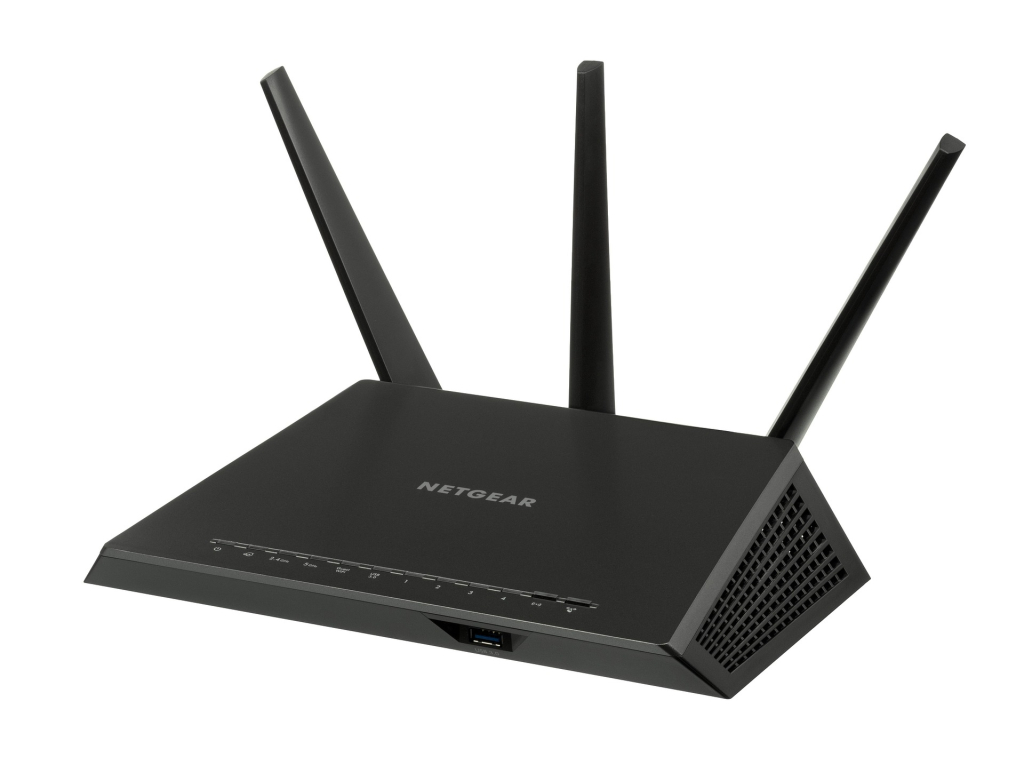
Another quiet but powerful shift is being driven by internet backbone access in housing projects. Reliable fibre connectivity is now influencing who chooses to live in a building and how long they remain there.
Developments with properly planned fibre routing and last-mile connectivity attract digitally enabled tenants such as remote workers, consultants and serviced-apartment operators. These users place a high premium on stability and are typically willing to commit to longer leases in exchange for dependable connectivity. Buildings without strong digital infrastructure tend to attract more transient, price-sensitive tenants and experience higher turnover.
Over time, this directly affects tenant quality, payment consistency and management intensity. In many urban sub-markets, internet infrastructure is becoming as decisive as parking ratios or security arrangements.
Read Also:Understanding Real Estate Appreciation: Where to Invest for Maximum Growth in Kenya
Why two similar developments perform very differently

It is increasingly common for two neighbouring developments to share similar locations, finishes and unit sizes, yet record different occupancy levels and cash-flow performance. The divergence usually emerges after handover, when operational realities become visible to tenants.
Buildings with weak electricity stability, unreliable water supply, constrained sewer systems or poor digital connectivity experience repeated service interruptions. These interruptions drive complaints, accelerate move-outs and increase marketing costs to replace departing tenants. In contrast, developments engineered around reliable infrastructure experience smoother operations, fewer disputes and lower churn.
This is why infrastructure-led property valuation is slowly replacing purely location-based pricing assumptions among sophisticated investors.
Tenant churn is now driven more by infrastructure pain than rent

Rising rents may trigger tenant decisions, but infrastructure pain creates the motivation to leave. Repeated power failures, prolonged water outages, sanitation disruptions and unstable internet connectivity undermine daily life. Over time, tenants become unwilling to renew leases even when competing properties are priced similarly.
For asset owners, this means that tenant retention in residential real estate is no longer primarily a function of rent levels or finishes. It is increasingly shaped by operational reliability and service continuity.
What this means for investors and institutional buyers
For professional capital, the investment conversation is moving beyond headline yield. Due diligence now places growing emphasis on electricity redundancy, water storage ratios, sewer connection approvals and fibre backbone access. These elements directly influence vacancy risk, maintenance volatility and long-term asset positioning.
As a result, institutional real estate investment in Kenya is increasingly structured around infrastructure resilience rather than pure market demand. Assets that perform well operationally today are more likely to preserve value, attract stronger tenants and remain competitive against newer stock.
The strategic takeaway

Location still attracts attention and drives initial demand. Infrastructure protects returns.
In Kenya’s maturing residential market, developments that prioritise operational continuity and service reliability are emerging as the true outperformers. For serious investors and long-term asset holders, utility infrastructure in real estate has become a bigger determinant of value than location alone.