A Location Few Took Seriously—Until Now
For years, Kamiti sat quietly on Nairobi’s northern edge—known more for caution than opportunity. Mention of the area often triggered one association: proximity to Kamiti Maximum Security Prison and a reputation tied to insecurity.
Fast forward to 2026, and the narrative has flipped.
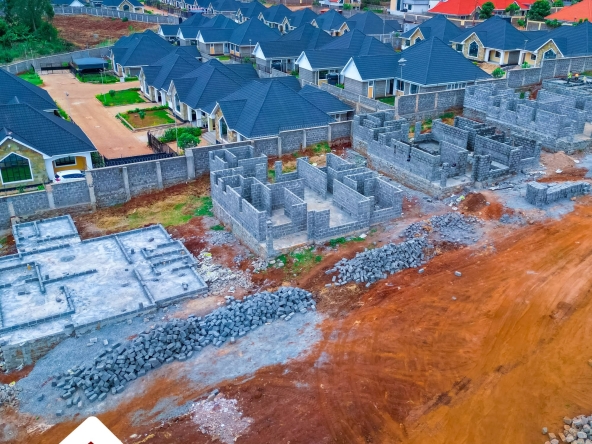
Kamiti is now emerging as one of the most talked-about frontiers for homes for sale in Nairobi Kenya, drawing attention from developers, land speculators, and middle-class homebuyers alike. What was once overlooked is rapidly becoming a strategic real estate investment zone.
The Turning Point: What Changed in Kamiti?
Kamiti’s transformation did not happen overnight—it is the result of converging structural shifts:
1. Urban Spillover from Key Growth Corridors
As land prices surged along:
- Kiambu Road
- Ruiru
- Kahawa West
Developers and buyers began pushing outward in search of affordability.
2. Infrastructure + Accessibility
Kamiti sits within a strategic triangle:
- ~15 km from Nairobi CBD
- Connected to Thika Superhighway and Northern Bypass
- Increasing road upgrades improving internal access
This is the same pattern that fueled the rise of satellite towns like Syokimau and Ruiru.
3. Government-backed Housing Push
The Affordable Housing Programme has introduced projects near Kamiti, signaling state-backed confidence—a major trigger for private investment.
4. Land Conversion Boom
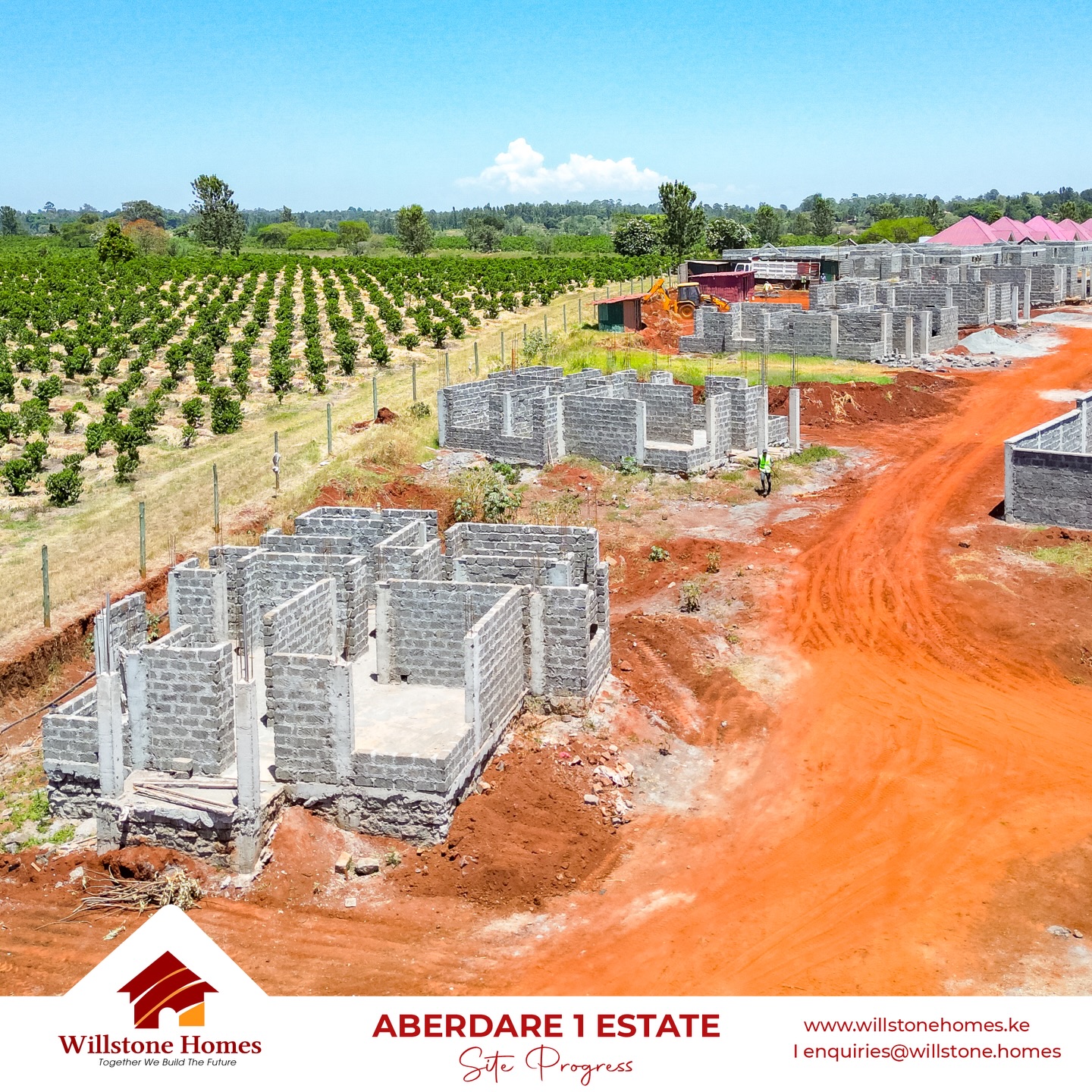
Former agricultural land (especially coffee farms) is being rapidly subdivided into:
- Residential plots
- Gated estates
- Mid-rise apartment developments
This is often the strongest early indicator of long-term urbanization.
Current Land Prices: Kamiti vs Nearby Areas

Here’s a realistic snapshot of how Kamiti compares to its neighbors in 2026:
| Area | 1/8 Acre Price Range | Market Position |
|---|---|---|
| Kamiti | KSh 2.5M – 6M | Emerging, high growth potential |
| Ruiru | KSh 6M – 12M | Mature, high demand |
| Kiambu Road | KSh 10M – 25M+ | Premium, near saturation |
| Kahawa West | KSh 5M – 10M | Mid-tier, dense |
What this means:
- Kamiti is still undervalued relative to proximity to Nairobi
- It offers entry-level pricing into a high-growth corridor
- Price gaps suggest room for appreciation
Read Also:The Rise of Master-Planned Cities in Kenya: A New Frontier for High-Value Real Estate Investment
On the Ground: What Development Looks Like Today
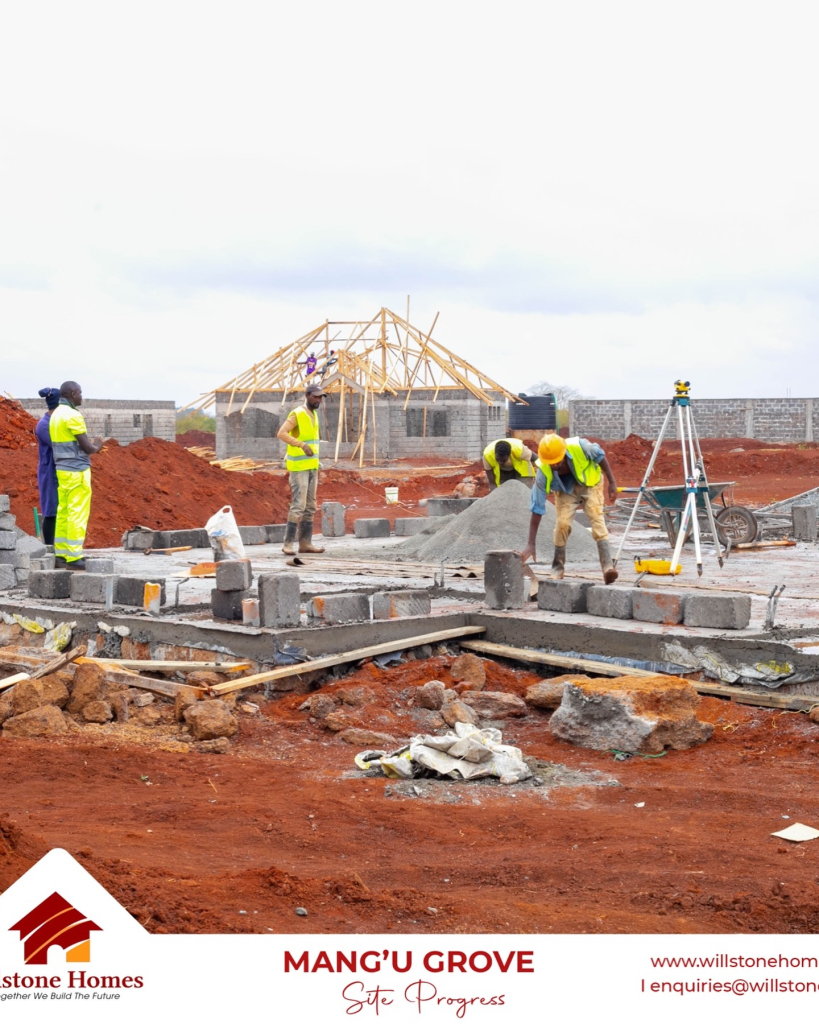
Kamiti is no longer speculative—it is actively transforming:
- Gated communities replacing idle land
- Mid-income apartments targeting young professionals
- Schools and retail centers slowly emerging
- Increased population density (a key driver of safety perception)
Developers who struggled pre-2020 are now reporting:
“Renewed demand and expansion into larger multi-unit developments”
That’s a strong sign of market validation, not just hype.
Best Entry Strategy: Where Smart Money is Going
If you’re considering investing in houses for sale in Nairobi or land in Kamiti, strategy matters more than timing.
1. 50 x 100 Plots For Sale in Kiambu (Best for Early Investors)
Ideal for:
- Long-term investors
- Speculators
- Developers
Why it works:
- Lowest entry cost
- Highest appreciation potential
- Flexibility (build later or resell)
Risk:
- Requires patience (3–7 year horizon)
2. Apartments (Best for Rental Income)
Ideal for:
- Buy-to-let investors
- Diaspora investors
Why it works:
- Growing demand from middle-income renters
- Spillover from expensive areas like Kiambu Road
- Predictable monthly income
Watch for:
- Oversupply risk in the long term
- Developer quality and finishing standards
3. Standalone Homes / Gated Communities (Balanced Play)
Ideal for:
- Owner-occupiers
- Mid-term investors
Why it works:
- Increasing demand for secure, family-friendly living
- Appeals to buyers priced out of premium zones
Is It Too Late to Invest in Kamiti?

Short answer: No—but the “early advantage” window is narrowing.
We are currently in Phase 2 of growth:
- Phase 1 (Pre-2020): High risk, low interest
- Phase 2 (2021–2026): Early growth, rising awareness ← Current stage
- Phase 3 (Future): Price stabilization, mainstream demand
What this means for you:
- You’re no longer “first in”
- But you are still ahead of:
- Institutional investors
- Full infrastructure maturity
- Peak pricing
Key Risks to Watch (Don’t Ignore These)
Even strong growth areas have friction:
- Proximity restrictions near prison zones
- Uneven infrastructure in interior sections
- Speculative pricing in some pockets
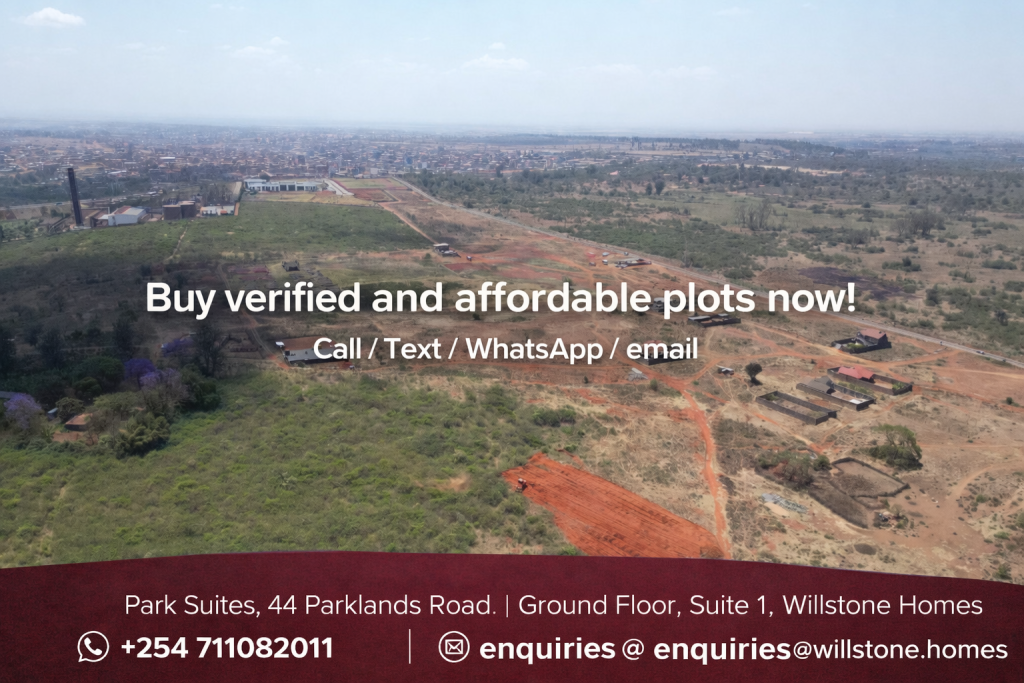
- Title deed / land verification risks (critical in emerging zones)
The Bigger Picture: Kamiti’s Future Trajectory
Kamiti is following a familiar path—one already proven by:
- Ruiru
- Syokimau
- Parts of Kiambu Road
The difference?
It is happening faster this time.
With Nairobi’s population growth and housing demand still rising, Kamiti is likely to evolve into:
- A self-sustaining residential node
- A mid-income housing hub
- A serious competitor to established satellite towns
Final Take: Opportunity with a Clock

Kamiti today sits in a rare position:
- Still affordable
- Already validated
- Clearly on a growth trajectory
For investors and homebuyers, the real question is no longer “Is Kamiti viable?”
It is:
“How long before everyone else fully realizes it?”