
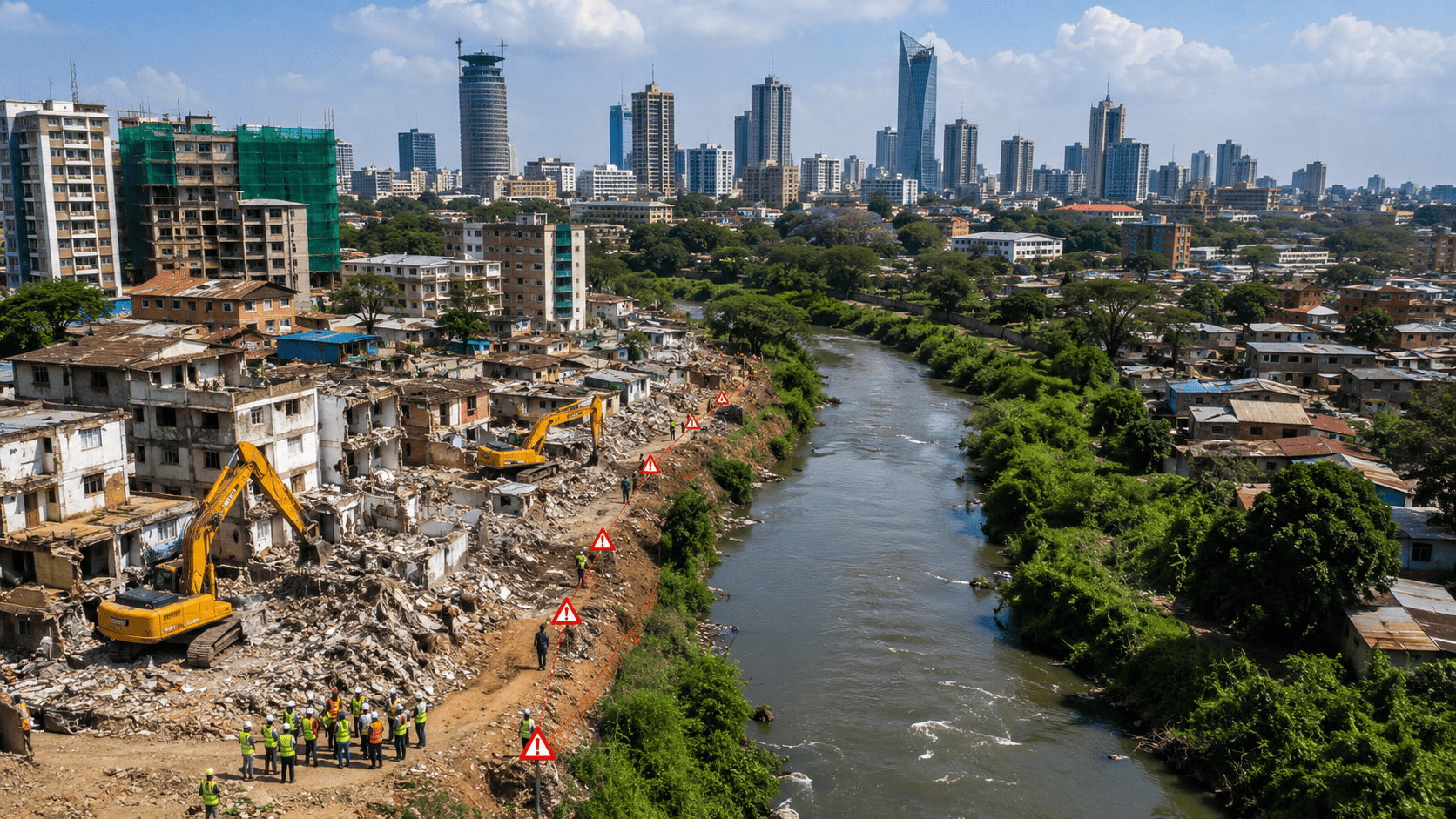
Kenya’s Nairobi real estate market is facing a significant regulatory shift following a directive by the Nairobi Rivers Commission to demolish over 300 structures built on riparian land. The move is expected to have far-reaching implications for property investment Kenya, particularly within high-density urban zones.
An aerial view of the Nairobi Central Business District highlights the scale and complexity of real estate in Nairobi Kenya, where rapid urban expansion has increasingly collided with environmental regulations.
Enforcement Expands Across Key Property Zones

According to Commissioner Mumo Musava, the government has already issued over 300 enforcement notices targeting developments along the Nairobi River and its tributaries. Areas affected include Kirichwa Kubwa, with expansion planned into Kirichwa Ndogo, Mathare River, Parklands, and sections of the Ngong River corridor.
This enforcement drive directly impacts segments of the property in Nairobi Kenya landscape, including residential units, boundary walls, and commercial structures that fall within protected riparian zones.
Read Also:KRA Proposes Mandatory Landlord Registration as Kenya Tightens Rental Income Tax Compliance
What This Means for Property Buyers and Investors
For anyone looking to buy property in Kenya or explore real estate opportunities in Kenya, the demolitions serve as a critical reminder: due diligence is no longer optional—it is essential.
Investors targeting:
- Apartments for sale in Nairobi
- Townhouses for sale Nairobi
- Homes for sale in Nairobi
must now pay closer attention to zoning laws, environmental compliance, and land history before committing capital.
The crackdown may also influence demand patterns in safer developments such as:
- Gated communities in Nairobi
- Fully compliant property developers in Nairobi projects
Legal Process and Compliance Framework
Authorities emphasize that the demolitions will follow due process, guided by existing court rulings and administrative law. Affected property owners have been issued notices and given an opportunity to respond before enforcement begins.
The process includes:
- Formal notification
- Public participation and stakeholder engagement
- Legal recourse mechanisms
However, where no valid justification exists, demolition is expected to proceed immediately.
Read Also:How to Turn a Single Plot into Multiple Income Streams in Kenya
Impact on the Kenya Property Market

The ongoing enforcement is likely to reshape the Kenya property market in several ways:
- Increased Regulatory Scrutiny: Developers and buyers will face tighter checks, especially for land for sale in Kenya and plots for sale in Nairobi
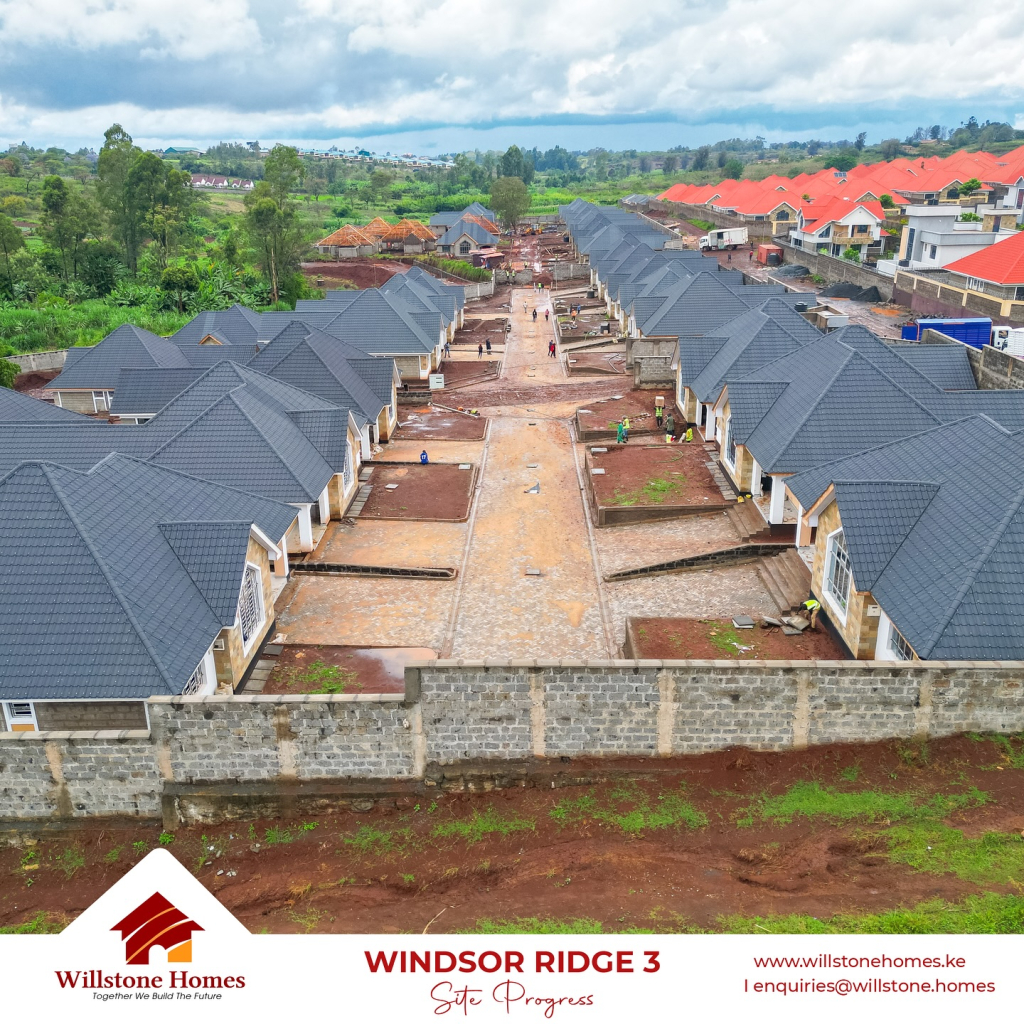
- Shift Toward Compliance: Demand may rise for professionally developed projects by reputable real estate developers in Kenya
- Risk Repricing: Properties in environmentally sensitive zones may lose value, while compliant developments could see stronger investor confidence
For buyers seeking affordable houses in Nairobi or luxury homes in Kenya, this shift reinforces the importance of working with credible agents and verified property listings Kenya platforms.
Accountability Within the Sector
Johnson Sakaja has confirmed that county officials who approved illegal developments will be held accountable, signaling a broader cleanup within the sector. This introduces a new layer of transparency that could ultimately strengthen investor trust in real estate investment Kenya.
A Turning Point for Urban Development
The demolitions form part of a broader environmental restoration effort aimed at reclaiming Nairobi’s river ecosystems, which have suffered years of encroachment and pollution.
For stakeholders across the Nairobi real estate market, this marks a turning point. While the short-term impact may include disruption and legal disputes, the long-term outlook points toward a more structured, transparent, and sustainable property sector.
Read Also: Foreign Property Owners in Kenya to Face New Rental Income Tax Under Finance Bill 2026