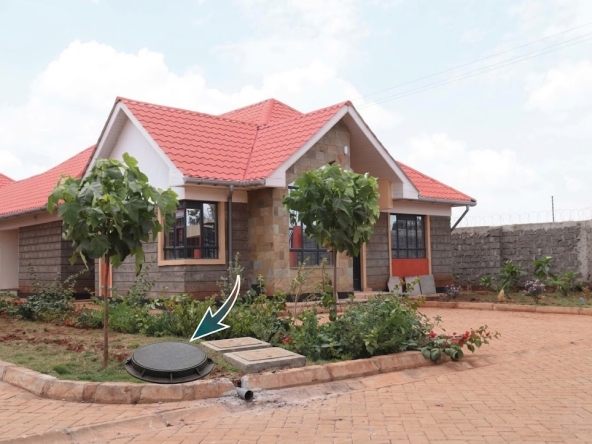

For decades, acquiring a home in a gated estate across Kenya meant navigating a web of long-term subleases, developer-dominated management companies, and encumbered mother titles. The enactment of the Sectional Properties Act, 2020 alongside the Sectional Properties Regulations, 2021 radically transformed Kenya’s real estate landscape.
Whether you are looking at a master-planned 3-bedroom bungalow along the Thika Superhighway corridor or an expansive multi-level maisonette in Kiambu County, understanding this law is no longer optional—it is the single most important legal safeguard for your investment. Here is a comprehensive breakdown of how the Sectional Properties Act works, how individual title deeds are processed, and what your shared ownership rights entail.
1. The Death of Sub-Leases: What Changed for Gated Estate Buyers?
Historically, developers constructed multi-unit developments—such as apartments, townhouses, and maisonettes—on a single parcel of land (the “mother title”). Buyers received long-term subleases (typically 99 years) issued by a management company set up by the developer.
This old structure created significant vulnerabilities for buyers:
- Developer Control: Developers often retained control of the management company, refusing to surrender ownership of common areas or reversionary interest to homeowners.
- Financing Hurdles: Banks were frequently hesitant to accept subleases as standalone collateral without explicit consent from the developer or management company.
- Shared Liability: Default on land rates or land rent by one homeowner—or even the developer—could cloud the legal standing of the entire estate.
The Sectional Properties Act, 2020 solved these issues by repealing the outdated 1987 framework and aligning property ownership with the Constitution of Kenya 2010 and the Land Registration Act. Today, buyers in gated estates acquire absolute ownership of their individual units through dedicated Sectional Title Deeds, alongside a proportionate share of all common property.
2. The Step-by-Step Title Processing Workflow
Under the statutory framework enforced by the Ministry of Lands and Physical Planning, the process of issuing an individual sectional title deed follows a strict legal and technical workflow:
[Mother Land Parcel] ➔ [Geo-Referenced Survey & Sectional Plan] ➔ [County & Ministry Approvals] ➔ [Cancellation of Parent Title] ➔ [Individual Unit Title Registers Opened]
Step 1: Geo-Referenced Sectional Survey
Once construction reaches the structural stage, a licensed surveyor prepares a geo-referenced sectional plan. Unlike basic architectural drawings of the past, this plan accurately maps:
- The precise boundary, floor area, and unit number of your bungalow or maisonette.
- The exact layout of all common facilities (roads, perimeter walls, gates, boreholes, green spaces).
- The unit factor—the calculated percentage representing your mathematical share in the estate’s common areas based on unit size.
Step 2: Statutory Approvals
The prepared sectional plan is endorsed by the County Executive Committee Member (CECM) in charge of physical planning, verified by the Land Administration Officer, and formally authenticated by the Director of Surveys.
Step 3: Closure of Parent Register & Unit Registration
Upon presentation to the Land Registrar along with the original mother title deed:
- The Registrar closes the mother title register completely.
- A new individual register is opened for each unit on the digital Ardhisasa platform (or physical registries outside Nairobi).
- The Registrar issues an independent Certificate of Title (for freehold land) or Certificate of Lease (for leasehold land with a residue of not less than 21 years) directly in the homebuyer’s name.
3. Shared Property & “The Corporation”: How Estate Management Works
When you purchase a maisonette or bungalow in a gated community, your property is divided into two distinct legal realms: your private unit and the estate’s shared amenities.
| Private Unit Ownership | Common Property (Shared Ownership) |
| Encloses internal walls, rooms, fixtures, and private yard space attached to your unit. | Includes internal estate roads, security gatehouses, street lighting, boreholes, boundaries, and clubhouses. |
| Sole Ownership: You hold exclusive legal rights over this space. | Tenants in Common: Owned collectively by all unit owners in proportion to their unit factor. |
The Automatic Role of “The Corporation”
One of the most powerful provisions of the Act is the automatic creation of The Corporation. The moment the sectional plan is registered at the Lands Registry, a Body Corporate (consisting of all unit owners in the estate) is automatically established by operation of law.
Unlike private management companies controlled by developers, The Corporation:
- Has No Capital Stock: It exists solely as an legal entity owned and run by the homeowners.
- Replaces Developer Authority: Once the developer sells and transfers units, full estate control transitions seamlessly to the homeowners.
- Enforces Estate By-Laws: The Corporation enforces estate security rules, maintains shared utilities, purchases master property insurance, and levies monthly service charges transparently.
Read Also: What Happens to a Family’s Finances When the House Is Finally Paid Off?
4. Key Financial and Legal Benefits for Homebuyers
Understanding the Sectional Properties Act clarifies why buying into a compliant gated estate offers superior protection compared to unvetted land options:
- Direct Mortgage Bankability: Because a Sectional Title Deed is a standalone, sovereign title issued by the government, banks can register a charge over your house instantly. You do not need third-party consents from developers or management companies to secure financing or sell your home.
- Apportioned Land Rent and County Rates: Under Sectional Properties Regulations, land rent and local county rates are calculated and billed individually to each unit by county authorities. If a neighbor defaults on their rates, county authorities cannot place a lien on your property or jeopardize the estate.
- Eradication of Fraud & Overlapping Claims: Sectional plans must be geo-referenced into the national grid and uploaded to government databases like Ardhisasa. This eliminates double allocation of plots, encroachment, or boundary disputes within gated communities.
5. Homebuyer Due Diligence Checklist Before Signing an Agreement
To ensure the gated bungalow or maisonette you are purchasing delivers a clean, bankable sectional title deed upon completion, perform these three verification checks during pre-conveyancing:
- Verify Land Tenure Residue: Confirm that the property sits either on Freehold land or Leasehold land with at least 21 years remaining on the lease—this is the statutory minimum required to register sectional titles.
- Confirm Approval Status: Request proof that the developer’s building plans and sectional draft plans have been submitted and pre-approved by the County Physical Planning department and the Director of Surveys.
- Review Draft By-Laws: Ask for a copy of the proposed estate by-laws and the unit factor schedule to verify how monthly service charges and common maintenance obligations will be calculated once handover occurs.
Investing in a gated estate represents a major milestone in personal wealth creation. By choosing developments fully aligned with the Sectional Properties Act, 2020, you secure clear title ownership, seamless management control, and long-term asset value growth for generations to come.
Read Also: Your Land Has a Neighbourhood Life Cycle: From Farmland to a Thriving Urban Community