

For nearly two decades, the unquestioned mantra for wealth preservation in East Africa was simple: if you have excess capital, buy land. Speculative land banking trends turned ordinary buyers into multi-millionaires as transport corridors expanded. But as we move through the first half of 2026, a quiet, massive reallocation of capital is underway. The high-net-worth individuals (HNWIs) who used to aggressively sweep up acreage are doing something completely unexpected—they are locking up their billions in liquid assets.
The catalyst for this shift is found in the latest Q1 2026 HassConsult Land Price Index. In a dramatic departure from years of double-digit spikes, land prices across Nairobi’s satellite towns grew by a mere 0.5% over the quarter—marking the slowest pace of expansion in five years.
Faced with a cooling speculative market and structural regulatory gridlock, smart money is executing a tactical retreat. Instead of chasing illiquid plots for sale in Kenya, sophisticated capital is actively parking wealth in Unit Trusts and high-yielding Money Market Funds (MMFs) while they wait for the economic and policy dust to settle.
Read Also:Total Cost of Occupancy (TCO) vs. Base Rent: The New Tenant Math
The Velocity Freeze: Stripping Away the Hype from Satellite Town Land Prices
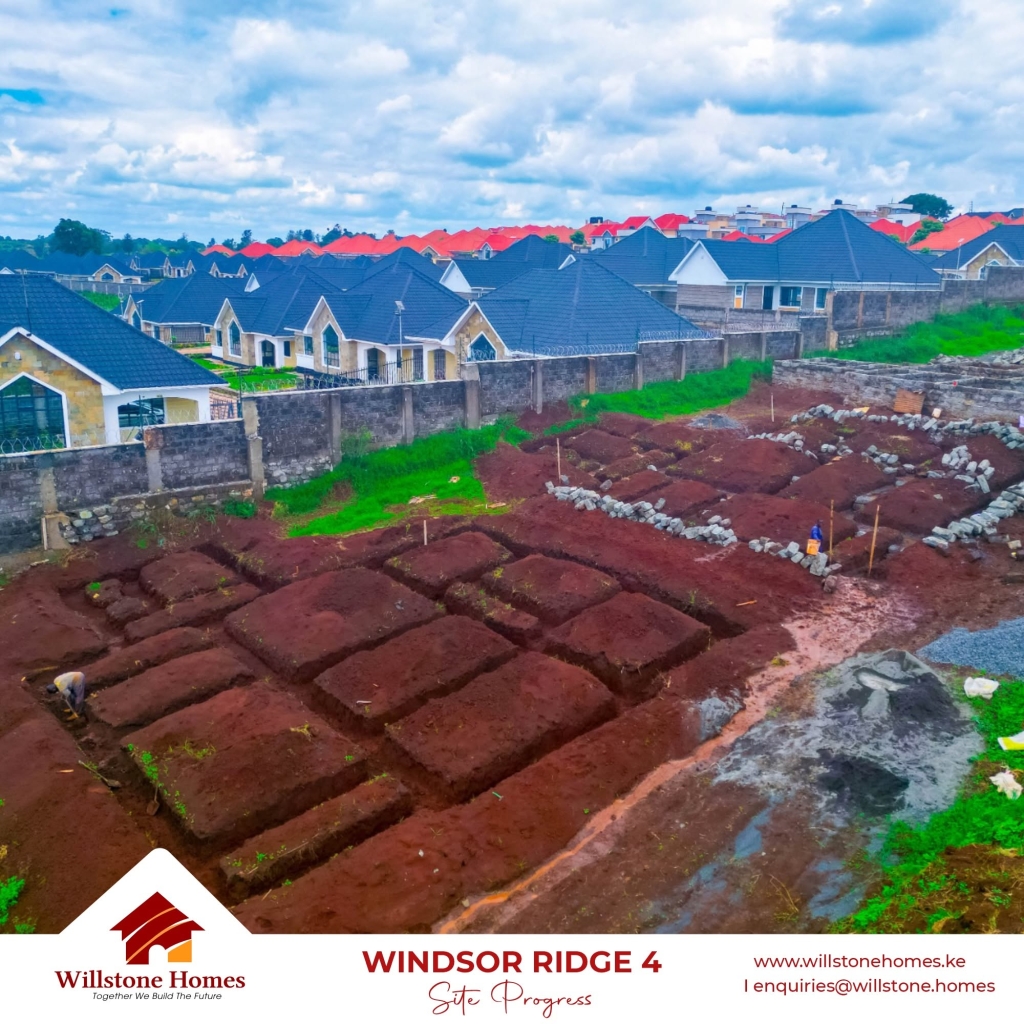
To understand why the traditional land banking play has stalled, you have to look past the historical marketing brochures. For years, massive infrastructure projects—like the expansion of the Eastern Bypass and the Nairobi Expressway—fueled a speculative rally that drove the average cost of an acre in satellite towns up by 50% over a five-year period.
However, the market has reached an affordability ceiling. The infrastructure-led price appreciation has already been fully baked into the land valuations. Combined with a tighter macro-economic environment, self-build buyers and mid-tier real estate companies in Kenya are experiencing severe liquidity constraints.
The Q1 2026 numbers reveal an uneven landscape. Half of Nairobi’s 14 major satellite towns plunged into negative price territory over the quarter:
- Athi River: ▼ 2.5%
- Ngong: ▼ 1.7%
- Syokimau: ▼ 0.7%
Except for isolated outperforming pockets like Ruiru—which managed a resilient 2.8% quarterly growth due to its massive industrial expansions—the raw land pipeline is visibly clogging up.
The Mathematical Pivot: Illiquid Dirt vs. 15%+ MMF Yields
For any investor focused on capital preservation in Kenya, the opportunity cost of holding onto non-productive land has become too high. Holding raw land means chasing an asset that is currently appreciating at a slow annual rate of roughly 4.3%, while remaining entirely illiquid. Exiting a land position in today’s sluggish market can easily take 6 to 12 months.
       The 2026 Capital Preservation Showdown
  ┌────────────────────────────────────────────────────────┐
  │  Speculative Satellite Land (Average Acre)             │
  │  • Current Annual Growth: ~4.29%                       │
  │  • Liquidity Status: Locked (6-12 Months to Exit)       │
  │  • Management Cost: Fencing, Land Rates, Squatter Risk │
  └───────────────────────────┬────────────────────────────┘
                              │ VS. The High-Yield Fund Alternative
  ┌───────────────────────────▼────────────────────────────┐
  │  Kenyan Money Market Funds (MMFs) & Unit Trusts        │
  │  • Current Annualized Yields: 14.5% - 16.2%            │
  │  • Liquidity Status: Instant (T+2 Days Settlement)      │
  │  • Management Cost: 0% Direct Effort                   │
  └────────────────────────────────────────────────────────┘
Contrast that with the current fixed-income environment. Bolstered by high government security yields, leading domestic Money Market Funds and Unit Trusts are consistently delivering annualized net returns between 14.5% and 16.2%.
By opting for liquid fund allocations over raw soil, an investor with KSh 50 million achieves two crucial strategic goals: they triple their annual rate of return, and they retain the agility to deploy that cash instantly the moment prime assets undergo a price correction.
Read Also:Why PropTech in Kenya is Trapped in a Feedback Loop (and How to Fix It)
The Pipeline Shrinkage: Why Land Banking Models Are Adjusting

This defensive “wait-and-see” approach is entirely altering the Nairobi property market trends. The slowdown in land buying has triggered a parallel contraction in new project pipelines.
The total value of new building approvals issued dropped by 9.3%, signaling that institutional developers are intentionally scaling back on new project launches. Between regulatory bottlenecks at City Hall regarding planning permissions and the high cost of construction debt, developers are choosing to finish their existing inventories rather than break ground on new land parcels.
Tactical Playbook for Smart Capital
If you are looking for the best places to buy land in Kenya right now, the standard advice to buy anywhere in the path of growth no longer applies. Navigating this slower phase of the land market requires strict financial discipline:
- Demand Distress Pricing: If you are buying raw land, do not pay premium market rates. Only deploy capital if you can secure an asset at a clear 20% to 30% below intrinsic value from over-leveraged sellers who need immediate liquidity.
- Shift to Cash-Flow Assets: If real estate remains your primary focus, pivot from raw, speculative plots to fully developed standalone residential assets in high-demand suburban rings, which are currently displaying much stronger price resilience.
- Let the Market Rebase: There is no shame in sitting on the sidelines. Parking capital in short-term government securities or top-tier MMFs isn’t a retreat—it is an active strategy to build a massive, liquid war chest for the next real estate cycle.
The underlying reality is clear: the Kenyan land market isn’t broken; it is simply cooling off after a historic, infrastructure-led rally. In this landscape, patience is heavily rewarded, and for the foreseeable future, liquid cash beats raw dirt.