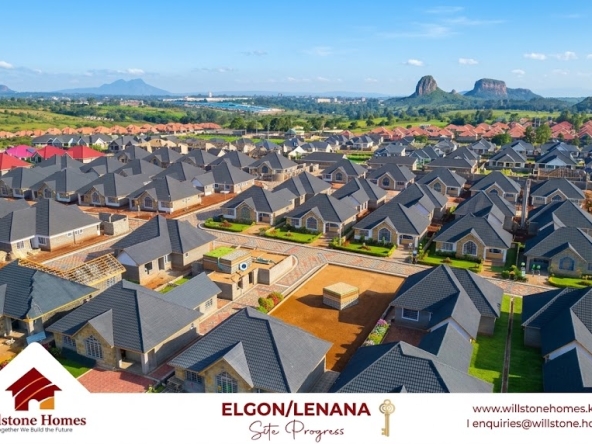
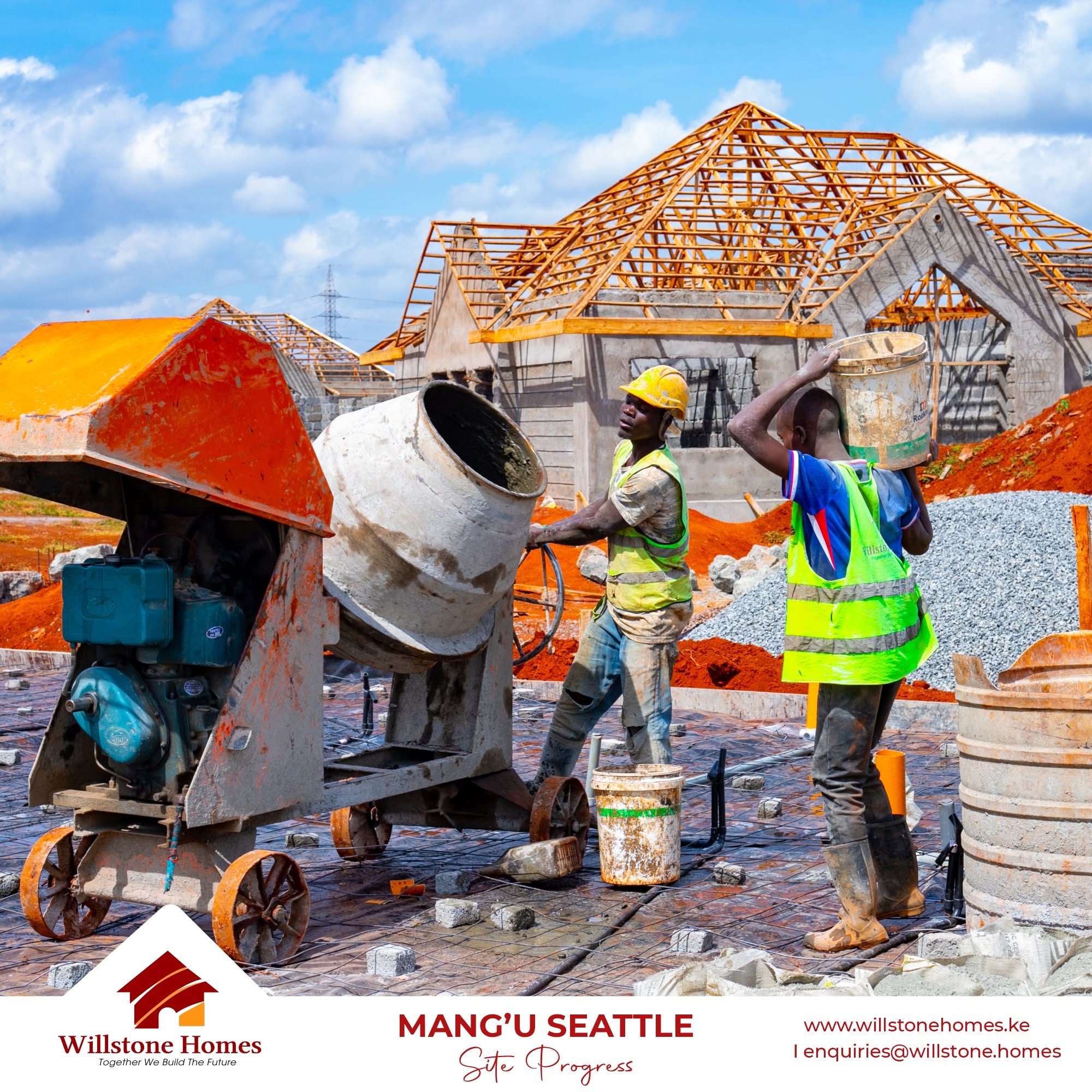
For years, the playbook for a successful real estate investment in Kenya meant targeting traditional commercial business districts or luxury commuter suburbs. But as we advance through 2026, the traditional map of tenant demand is being completely redrawn by an unexpected force: the industrial boom.
Driven by rapid e-commerce expansion, data center construction, and regional trade corridors, multinational firms are pouring billions into industrial parks. However, the real story for residential property investors isn’t the warehouses themselves—it is the massive demographic shift occurring right outside their gates.
Rather than competing with commercial growth, forward-thinking residential developers are executing a brilliant arbitrage strategy. By building modern housing adjacent to booming Special Economic Zones Kenya (SEZs) and industrial hubs, savvy landlords are capturing the highest rental yield in Nairobi, transforming the industrial surge into a predictable residential goldmine.
Moving Beyond the Factory Gate: The Tenant Influx

When a logistics giant like Africa Logistics Properties expands its footprint, or a tech multinational builds a massive new facility in an SEZ, they create an immediate housing deficit. Thousands of engineers, supply chain managers, corporate executives, and specialized staff find themselves working in peri-urban nodes but facing a severe shortage of quality local housing.
       The Industrial-to-Residential Yield Pipeline
  ┌────────────────────────────────────────────────────────┐
  │  The Catalyst: Industrial Capital Injection            │
  │  • Multi-billion SEZ setups, manufacturing & logistics  │
  │  • Massive influx of skilled workforce & corporate staff │
  └───────────────────────────┬────────────────────────────┘
                              │ Creates Underserved Demand Node
  ┌───────────────────────────▼────────────────────────────┐
  │  The Arbitrage: Logistics-Adjacent Residential Units  │
  │  • High-density executive studios & workforce apartments│
  │  • Low tenant acquisition costs & minimal vacancies     │
  │  • Result: Capitalizing on the highest yields in town  │
  └────────────────────────────────────────────────────────┘
Historically, these zones were surrounded by basic informal housing or unserviced land plots. Today, corporate tenants are demanding secure, well-planned lifestyle communities with reliable internet, stable power, and green spaces—and they are willing to pay a premium for them. For residential buyers, this mismatch between soaring demand and zero existing supply is creating a massive runway for growth.
Read Also:The AirBnB Saturation: Why Savvy Capital Is Shifting to ‘Co-Living’ and Student Housing
Where the Numbers Move: Capitalizing on Industrial Real Estate Yields
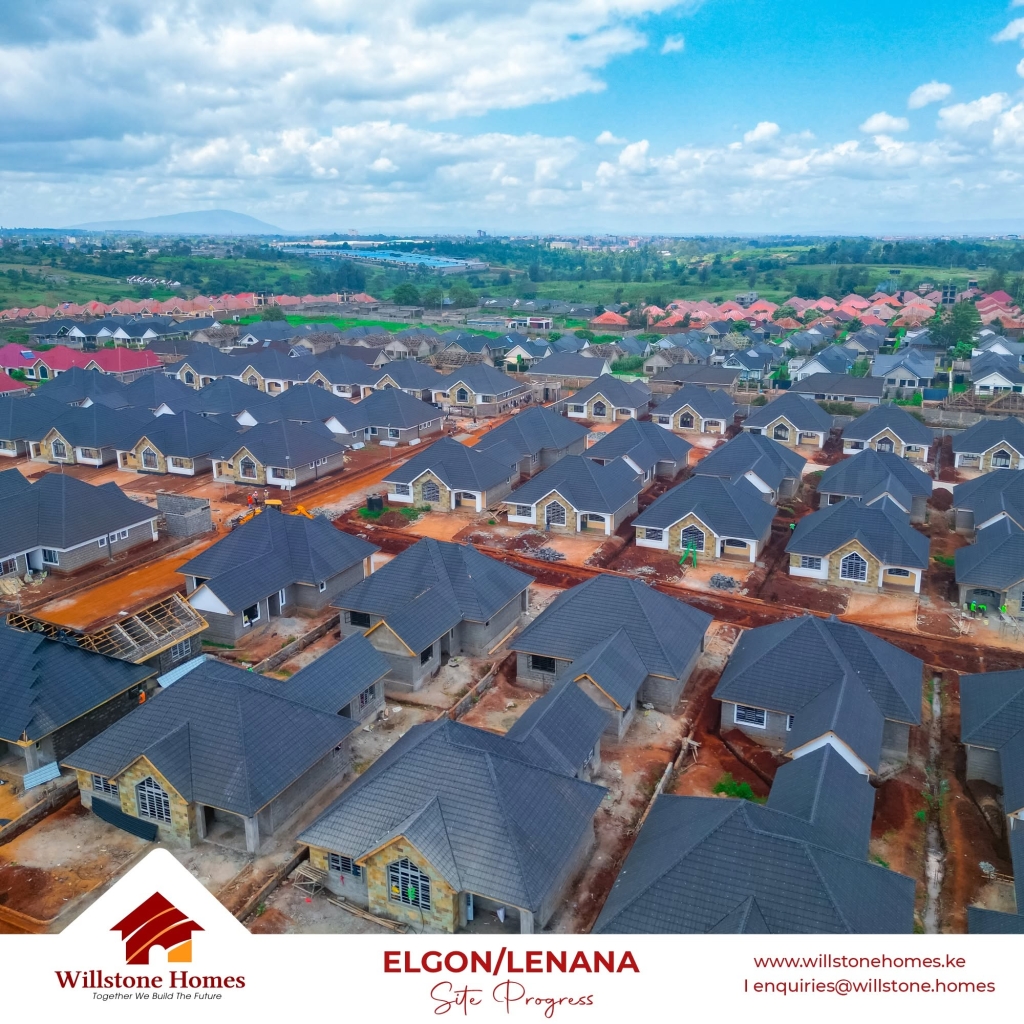
Traditional luxury residential nodes in Nairobi’s core are facing mild rent stagnation due to high-density oversupply. In contrast, the micro-markets flanking major manufacturing and logistics hubs are showing incredible resilience.
By strategically aligning residential assets with industrial growth zones, investors are completely bypassing the standard rental slowdown:
- The Athi River Node: Driven by its massive manufacturing ecosystem and public-private affordable housing partnerships, the demand for well-built residential units here remains red-hot. Residential projects tailored for the mid-income and industrial worker demographic are pulling strong double-digit occupancy rates right out of the gate.
- The Tatu City SEZ Cluster: With more than KSh 65 billion in commercial and industrial projects announced recently, the incoming worker density is skyrocketing. Residential communities built to capture this specific market are consistently generating an exceptional rental yield in Nairobi and its surrounding metropolitan rings.
The fundamental advantage of this model is tenant stability. While casual suburban renters move frequently over minor economic shifts, corporate-backed professionals tied to fixed industrial hubs sign long-term leases, keeping turnover rates and vacancy losses incredibly low.
“Smart residential investing in 2026 isn’t about guessing where people want to live; it’s about looking at where global corporations are building thousands of jobs and meeting them at the property line.”
Read Also:The Zoning War: How Nairobi’s Planning Approvals Freeze Is Stalling Land Sales
The Strategic Blueprint: Designing for the Industrial Elite
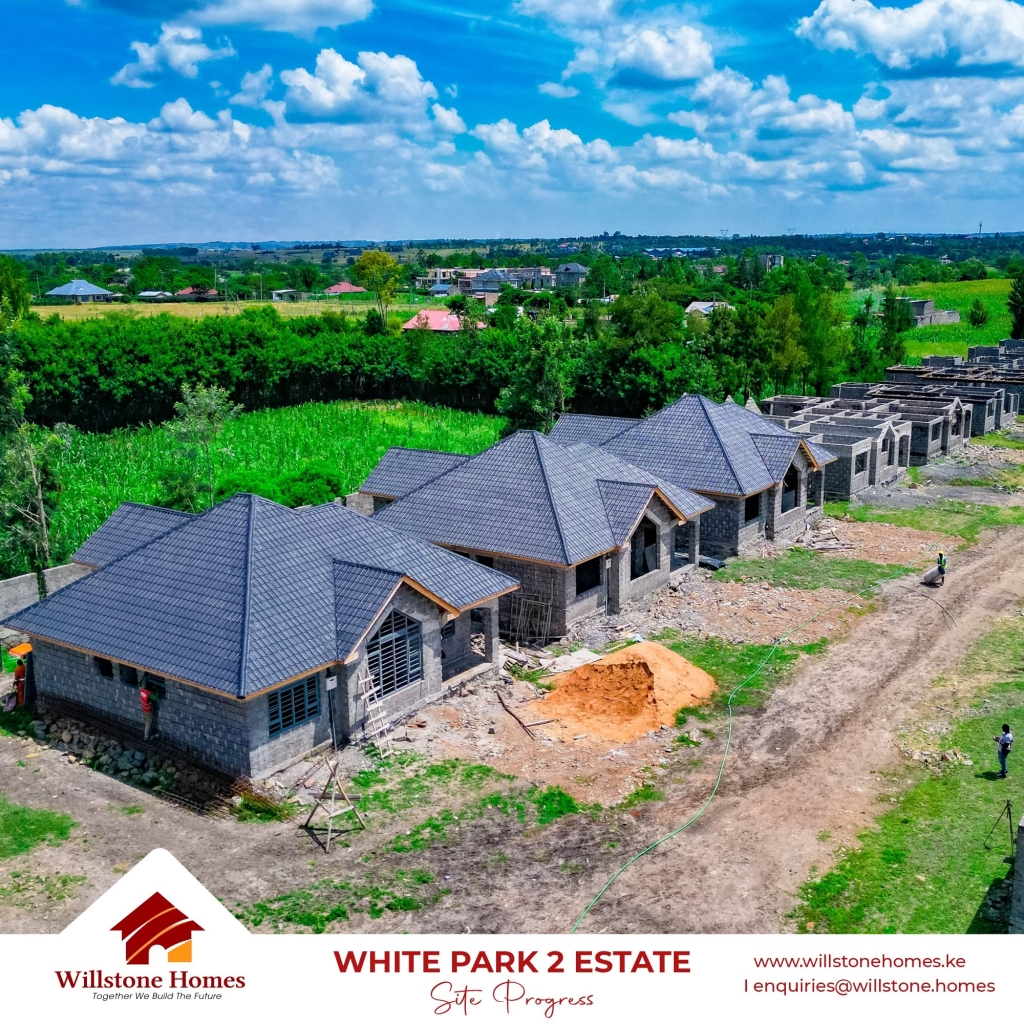
To effectively unlock these premium yields, residential developers cannot simply copy-paste traditional city apartments into peri-urban zones. Success requires building with a clear understanding of the modern corporate tenant’s lifestyle:
- Prioritize Executive Efficiency: The demand from these industrial hubs is heavily weighted toward high-quality studio, one-bedroom, and two-bedroom apartments optimized for mid-to-high level managers and visiting expatriate consultants.
- Lean Heavily Into Sustainability: Because these projects are built near resource-conscious industrial parks, tenants expect matching eco-features. Integrating solar water heating and reliable green backup power is a non-negotiable standard to secure high-value corporate tenants.
- Focus on Community-Centric Design: Gated security, mini-retail conveniences, and flexible co-working spaces directly within the residential compound are what separate premium, high-yielding investments from standard commodity housing.
Ultimately, the commercial logistics boom is the best thing to happen to residential real estate in a decade. By shifting your perspective from competition to collaboration, you can leverage the immense economic weight of these global trade hubs to build a highly defensive, incredibly lucrative residential portfolio.
Read Also:The Token Trap: Why Nairobi Tenants Are Snubbing Space for Solar-Sourced Apartments