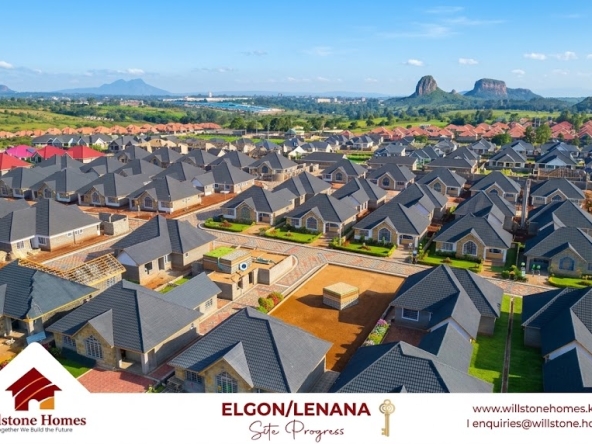

For years, the formula for a mid-sized property developer in Nairobi was entirely independent: buy a pocket of land, secure a construction loan, and market the project under your own flag. But as we navigate 2026, the structural costs of handling standalone infrastructure—from installing private sub-stations to paving access roads and negotiating municipal line connections—are eating deep into margins.
Rather than working against a challenging macroeconomic backdrop, a brilliant evolution is taking place across the Nairobi property market trends. Agile property developers and real estate companies are abandoning isolation in favor of strategic synergy.
Instead of building alone in unserviced areas, boutique developers are forming collaborative alliances with master-planned mega-cities like Tatu City and established corporate estates. This shift isn’t a retreat; it is a highly calculated integration strategy that unlocks premium, lifestyle-driven housing while instantly de-risking the entire investment cycle for buyers and real estate agents alike.
Read Also:The Real Estate Wait-and-See: Why Smart Money is Parking Billions in MMFs Over Raw Land
From Isolated Construction to Premium Ecosystems
The ultimate hidden drain on a modern real estate project isn’t the cost of concrete or steel—it’s the cost of infrastructure. A standalone development requires the builder to self-fund water treatment facilities, security gates, and heavy power connections before the first brick of an apartment block is even laid.
       The Smart Integration Arbitrage Model
  ┌────────────────────────────────────────────────────────┐
  │  The Isolated Developer Model (High Friction)          │
  │  • Borrows heavily to fund roads, substations, water   │
  │  • Bears 100% of zoning delays & gridlock risks        │
  │  • Harder for agents to sell due to infrastructure lags│
  └───────────────────────────┬────────────────────────────┘
                              │ VS. The Modern Master-Planned Partnership
  ┌───────────────────────────▼────────────────────────────┐
  │  The Integrated Master-Planned Model (High Efficiency) │
  │  • Plug-and-play into pre-built world-class utilities  │
  │  • 100% focus on boutique architectural finishes        │
  │  • Pre-vetted, high-trust inventory that sells fast     │
  └────────────────────────────────────────────────────────┘
By transitioning into master-planned special economic zones and mega-estates, boutique developers bypass this entire capital-heavy infrastructure phase. They are leveraging a plug-and-play model: the mega-city provides the world-class roads, 24/7 security, tax incentives, and steady utilities, while the boutique developer focuses entirely on what they do best—crafting highly specialized, high-design residential enclaves.
Why This Evolution Protects and Powers Real Estate Investment in Kenya
This wave of collaboration completely alters the trust dynamic for anyone looking at a real estate investment in Kenya. For years, buyers experienced project-completion anxiety due to delayed infrastructure handovers or funding hitches.
When a boutique project embeds itself within an established master-planned footprint, the safety of the asset doubles. Investors receive a unique two-layer security blanket:
- The Infrastructure Guarantee: Major master-planned entities back the foundational utility loops, ensuring zero risk of stranded assets or unserviced homes.
- The Specialty Design Advantage: Boutique property developers in Nairobi bring unique architectural character, customizable interior floor plans, and highly targeted community features that massive, institutional cookie-cutter projects simply cannot replicate.
This combination creates the exact type of high-trust, fast-moving inventory that professional real estate agents can proudly bring to the market. It eliminates friction, accelerates closings, and gives agents a powerful value proposition for local and diaspora clients.
“This isn’t a shakeout; it’s an intellectual upgrade. The smartest real estate companies in Kenya have realized that sharing a world-class table beats sitting alone in a field every single time.”
Read Also: The Zoning War: How Nairobi’s Planning Approvals Freeze Is Stalling Land Sales
The New Standard: What Co-Developed Wealth Looks Like

This strategic alignment is creating some of the highest-demand residential addresses in the country. Look at projects like the freshly unveiled apartments within Tatu City. These are textbook examples of boutique residential concepts thriving seamlessly inside massive, multi-billion-shilling infrastructure frameworks.
For real estate professional networks, this integration acts as an incredible engine for long-term capital preservation Kenya:
- Compressed Delivery Timelines: Without the headache of fighting for utility approvals and municipal line connectivity, projects transition from breaking ground to key handover at record speed.
- Built-In Tenant Ecosystems: Master-planned hubs are rapidly attracting international schools, corporate offices, and data hubs. Any residential project built within these boundaries inherits a captive, highly paid tenant pool on day one.
- Escalated Value Appreciation: Houses positioned inside secure, fully integrated lifestyle enclosures appreciate at a much more aggressive rate than isolated standalone blocks in chaotic suburbs.
By positioning themselves as the vital creative partners to master-planned giants, boutique developers and agencies aren’t stepping aside—they are taking center stage in defining the premium, high-yield future of Kenyan real estate.
Read Also: The Token Trap: Why Nairobi Tenants Are Snubbing Space for Solar-Sourced Apartments