

The upper-middle-class residential market around the capital has hit a fascinating psychological threshold. According to the HassConsult Q1 2026 Property Index, average rents in Nairobi’s prime suburbs officially crossed the historic KSh 200,000 mark for the first time, settling at an average of KSh 201,832 per month. On paper, this bullish growth has pushed suburban rental yields in Nairobi to a record 7.4%—the strongest baseline return the city has seen since 2007.
Yet, behind these record numbers lies a quiet deadlock. While list prices look exceptionally strong, actual transaction volumes tell a story of a structural standoff.
A noticeable corporate leasing downturn has left several premium, multi-bedroom homes and high-end units facing extended vacancies. Despite this, landlords are refusing to lower their asking prices. This isn’t stubbornness; it is a calculated capital preservation strategy designed to protect paper yields, leaving the Nairobi property market trends locked in an intense battle of patience between property owners and premium tenants.
Read Also:The Token Trap: Why Nairobi Tenants Are Snubbing Space for Solar-Sourced Apartments
Inside the Yield Math: The Fear of the Downward Spiral
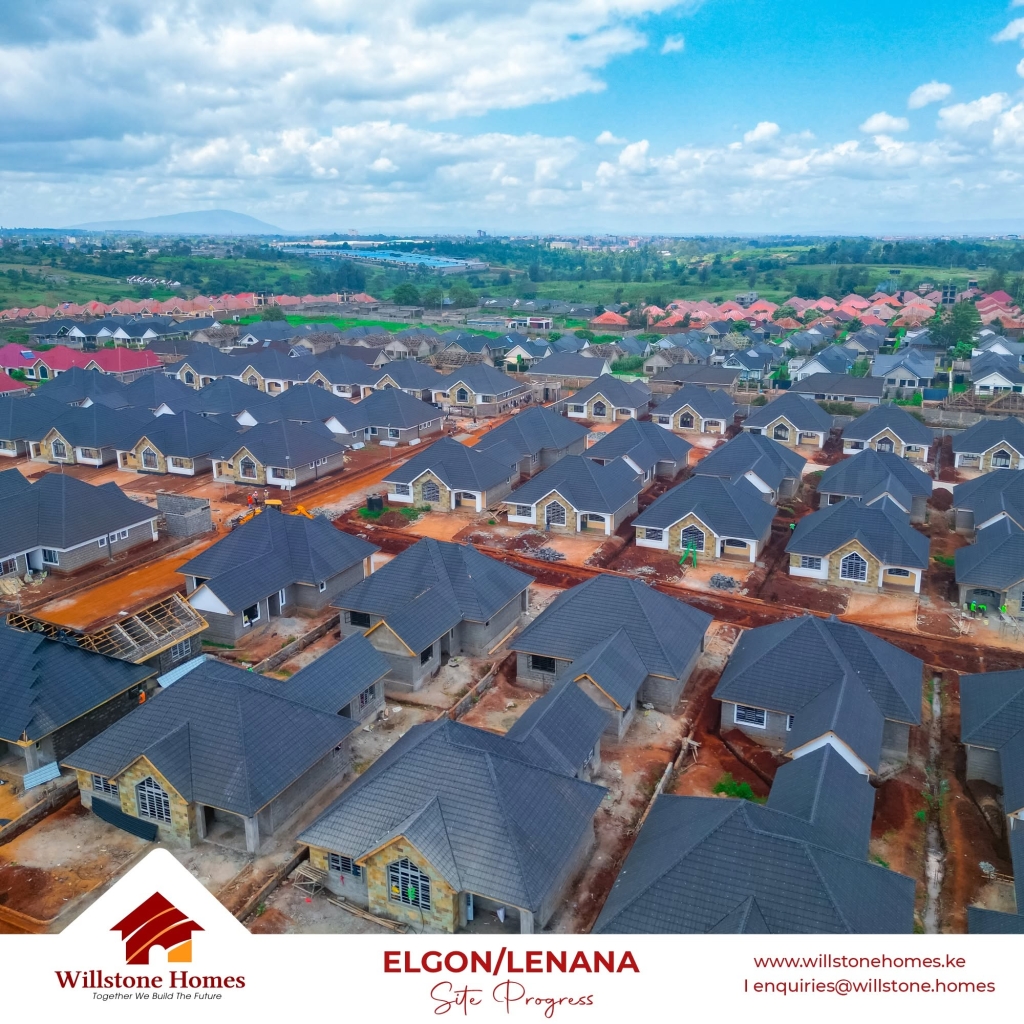
To understand why a landlord would rather let a premium property sit vacant for four months instead of slashing the rent by KSh 30,000, you have to look at how luxury house prices in Nairobi are valued.
In high-end real estate, commercial valuation is directly linked to the property’s rental stream. Dropping the rent doesn’t just cut immediate monthly cash flow; it instantly slashes the overall asset valuation on the balance sheet. For institutional investors or owners holding multi-million-shilling mortgages, a permanent rent reduction can trigger a technical default or lower their borrowing power against the asset.
        The Premium Landlord Valuation Dilemma
  ┌────────────────────────────────────────────────────────┐
  │  Strategy A: The Blunt Rental Discount                  │
  │  • Lower rent from KSh 200k to KSh 170k to fill vacancy│
  │  • Paper asset valuation drops by millions instantly    │
  │  • Locks the property into a lower tier permanently     │
  └───────────────────────────┬────────────────────────────┘
                              │ VS. The Strategic Concession Play
  ┌───────────────────────────▼────────────────────────────┐
  │  Strategy B: Maintaining the Base List Price           │
  │  • Keep base rent firm at KSh 201,832 to protect yield │
  │  • Offer value add-ons (service charge holidays, fit-outs)│
  │  • Preserves the 7.4% underlying equity valuation      │
  └────────────────────────────────────────────────────────┘
Furthermore, HassConsult explicitly noted that the consistent rise in premium rental prices suggests affordability is nearing a ceiling. Local high-earning households are facing broader inflationary pressures, while corporate expatriate budgets are being tightly managed. Landlords know that once they lower the baseline rent for a premium postcode, raising it back to market standard is an uphill battle.
Read Also:The Real Estate Wait-and-See: Why Smart Money is Parking Billions in MMFs Over Raw Land
Moving Beyond the Standoff: How Elite Advisors are Unlocking Deals
Because blunt price cuts harm long-term asset value, the role of professional property consultants has shifted. The most successful real estate firms aren’t advising landlords to panic; they are introducing sophisticated, non-price concessions that protect suburban rental yields while making the property irresistible to premium tenants.
Instead of dropping the headline rent, smart market players are deploying several value-add strategies:
- The Soft Infrastructure Upgrade: Landlords are absorbing secondary costs—such as retrofitting units with backup solar arrays, high-speed fiber routing, or integrated smart security loops—allowing tenants to justify the KSh 200,000+ price point.
- Structured Rent-Free Incentives: Rather than resetting the lease value downwards, owners are offering a one-month “service charge holiday” or a complimentary moving and interior fit-out allowance on a standard two-year lease.
- The Serviced Pivot: Recognizing the shift in corporate preferences, landlords are turning underutilized multi-bedroom units into premium corporate-serviced spaces, tapping into a demographic that values convenience over raw space.
“A premium property sitting vacant isn’t a failure of the market; it’s an asset awaiting the right structural structuring. Protecting the 7.4% yield benchmark preserves the neighborhood’s long-term equity.”
What This Means for Real Estate Investment in Kenya
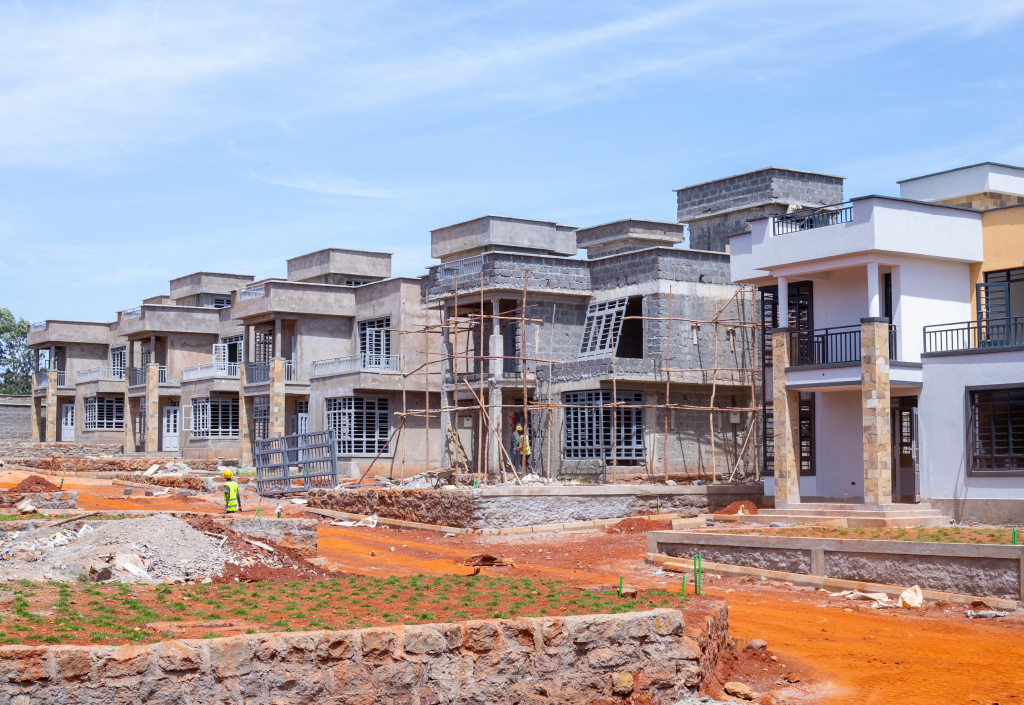
For savvy buyers looking to deploy capital into real estate investment in Kenya, this standoff highlights exactly where the value lies. Standalone houses in prime suburbs like Lavington, Spring Valley, and Runda are showing remarkable price resilience due to severe structural undersupply.
  Nairobi Suburban Performance Snapshot (Q1 2026)
  ┌─────────────────┬──────────────────┬─────────────────┐
  │ Suburb          │ Quarterly Sales  │ Annual Sales    │
  │                 │ Price Change     │ Price Change    │
  ├─────────────────┼──────────────────┼─────────────────┤
  │ Lavington       │      +4.2%       │     +12.7%      │
  │ Spring Valley   │      +4.0%       │      +6.8%      │
  │ Kilimani        │      +3.9%       │      +6.8%      │
  │ Karen           │      +3.8%       │     +13.2%      │
  └─────────────────┴──────────────────┴─────────────────┘
Data Source: HassConsult Q1 2026 Index
The current market phase rewards patience and premium positioning. The average rent in Nairobi suburbs will hold firm because the underlying land and construction costs do not support a downward race to the bottom. For investors and developers, the mandate is clear: focus heavily on unmatched asset quality, utilize professional tenant placement services, and use creative value concessions to protect your core yields while the macroeconomic dust settles.