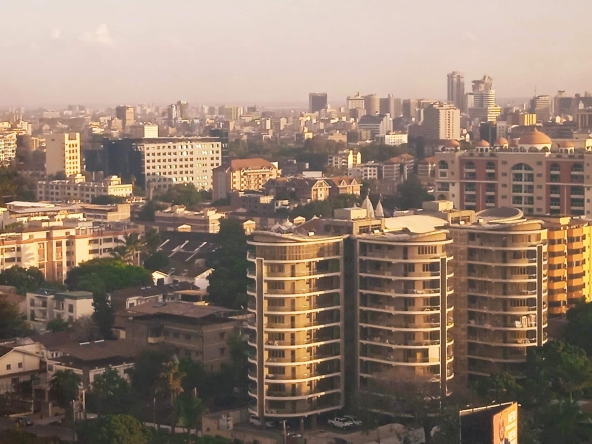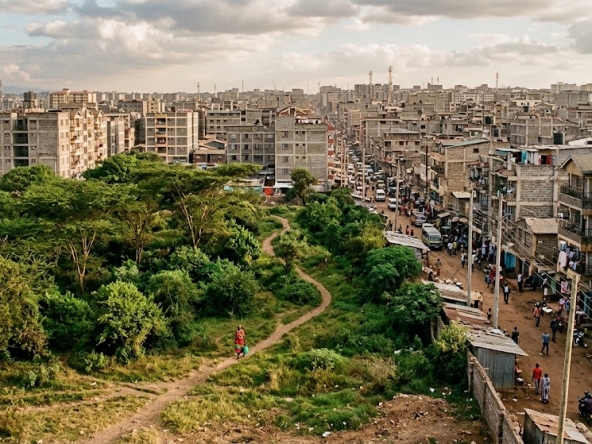

For many Kenyan families, owning a home in town does not necessarily mean leaving their ancestral home behind. A young couple may purchase a modern bungalow or maisonette on the outskirts of Nairobi—along expanding commuter corridors like Kenyatta Road, Juja, Ruiru, or Kangundo Road—to establish their working and family life, while simultaneously maintaining a home and land in their rural county.
It is a familiar and deeply respected aspiration: build a future in the city without severing the social roots, family connections, and land rights anchored in the village.
However, there is a complex financial side to this dual arrangement that is rarely calculated when the initial urban property purchase is made. Owning two properties is not simply a matter of holding two high-value real estate assets. It means maintaining two operational environments, fulfilling obligations across two regional jurisdictions, and tying up capital in non-liquid assets that may yield zero regular monthly income.
The Two-Home Reality: A Couple’s Journey from Bungoma to Nairobi
Imagine a young couple from Bungoma County who have saved consistently for years. Following a major financial milestone—perhaps a corporate bonus, business exit, payout, or family inheritance—they decide to secure their urban future by purchasing a home in a managed gated community on the outskirts of Nairobi.
The purchase brings immediate stability: it eliminates monthly rent, provides dedicated family space, and positions them near growing commercial hubs, schools, and transport infrastructure.
Yet, their rural homestead in Bungoma remains active. Parents may reside on the land, relatives visit regularly, and the family maintains every intention of retiring there.
On paper, the couple’s net worth has surged. But in reality, their monthly cash flow has not doubled. Their recurring salaries must still cover food, school fees, transport, insurance, utilities, and emergency reserves. The core question is no longer simply what their two properties are worth—it is how much it costs to operate and maintain both every single month.
Kenya’s Two-Home Aspiration: By the Numbers
Maintaining property in multiple locations is standard practice in Kenya’s socio-economic landscape.
+-----------------------------------------------------------------------+
|  URBAN vs. RURAL HOMEOWNERSHIP IN KENYA                               |
|  (Source: KNBS Housing Survey Data)                                  |
|                                                                       |
|  Rural Households Owning Their Home:  [#####################] 85.5%   |
|  Urban Households Owning Their Home:  [######] 22.8%                  |
+-----------------------------------------------------------------------+
While rural land provides identity, family legacy, and a long-term retirement base, urban housing grants daily access to employment, commerce, health, and specialized education. As satellite towns around Nairobi grow into fully serviced residential zones, balancing the carrying costs of both locations has become a central financial discipline.
The Purchase Price Is Only the Beginning
When buying an urban home, the purchase price, legal fees, stamp duty, and mortgage terms naturally dominate the numbers. But once settlement occurs, ongoing operational expenses take over.
┌───────────────────────────────────────────────────────────────────────┐
│                      THE DUAL-HOME EXPENSE SPECTRUM                    │
├──────────────────────────────────┬────────────────────────────────────┤
│       URBAN CARRYING COSTS       │        RURAL CARRYING COSTS        │
├──────────────────────────────────┼────────────────────────────────────┤
│ • Estate Service Charges         │ • Termite Treatment & Damp Proofing│
│ • Security & Street Lighting     │ • Caretaker / Security Wages       │
│ • Municipal Water & Garbage      │ • Roof, Gutters & Wall Maintenance │
│ • High-Speed Internet & Power    │ • Compound & Perimeter Maintenance │
│ • Daily Commuting / Fuel Costs   │ • Annual Land Rates & Succession   │
└──────────────────────────────────┴────────────────────────────────────┘
A property on the city outskirts offers generous acreage and lower acquisition costs than central inner-city suburbs, but daily commuting requires a dedicated transport budget. Fuel, vehicle wear-and-tear, or public transit fares quickly become fixed line items.
Simultaneously, the rural home demands ongoing attention. A building left unoccupied for months in high-rainfall or humid environments deteriorates twice as fast. Dampness, roof leaks, foundation shifts, and overgrown compounds do not pause simply because the owners reside in Nairobi.
The Hidden Costs: Travel, Maintenance, and Asset Depreciation
Beyond physical structures, maintaining connection to the ancestral home incurs travel costs that are rarely factored into real estate decisions.
Case Study: The True Cost of an Annual Holiday Visit
Consider a family driving from Nairobi to Bungoma for the December holidays, spending approximately one week at the ancestral homestead. Even without paying for hotel accommodation, the journey requires a dedicated budget:
| Expense Category | Estimated Cost Range (KSh) | Financial Impact Notes |
| Return Fuel (800+ km total) | KSh 25,000 – 40,000 | Varies by engine size, terrain, and pump prices. |
| Transit Meals & Refreshments | KSh 4,000 – 8,000 | En-route expenses for a full family. |
| Local Ground Transport | KSh 3,000 – 7,000 | Local movements across county centers. |
| Rural Household Groceries | KSh 8,000 – 15,000 | Catering for nuclear and extended family. |
| Social & Family Support | KSh 10,000 – 25,000 | Gifts, support for elders, and community obligations. |
| Vehicle Wear-and-Tear Reserve | KSh 3,000 – 8,000 | Servicing, tire wear, and suspension upkeep. |
| ESTIMATED TRIP TOTAL | KSh 53,000 – 103,000 | Single visit expenditure. |
If a family makes two major visits home per year (e.g., Easter and Christmas), total travel costs reach KSh 106,000 – 206,000 annually. Annualized, that represents KSh 8,800 – 17,200 per month in travel cash flow dedicated strictly to sustaining the rural connection.
The Opportunity Cost of Capital: Asset-Rich, Cash-Poor
The most significant financial pitfall in a dual-property arrangement is confusing illiquid equity with disposable cash flow.
The Capital Allocation Trap:
Sinking KSh 4 million into building a massive, infrequently used 5-bedroom rural bungalow creates a static asset yielding 0% financial cash flow. Had KSh 2 million of that capital been directed into high-yield Money Market Funds (MMFs), Treasury bonds, or productive urban land equity, it could generate steady monthly returns to pay school fees, cover medical insurance, or fully subsidize annual travel home.
Rural structures appreciate slowly compared to peri-urban land in growth hubs. Meanwhile, physical infrastructure suffers from depreciation unless constantly funded.
┌────────────────────────────────────────────────────────────────────────┐
│                        THE CAPITAL ALLOCATION SPECTRUM                 │
│                                                                        │
│  [ Tied-Up Capital ] ──► Idle Rural Mansion (High Carrying Costs)       │
│  [ Liquid Capital ]  ──► MMFs / Treasury Bonds (Immediate Cash Flow)    │
│  [ Growth Equity ]   ──► Urban Gated Community Home (Appreciation + Equity)│
└────────────────────────────────────────────────────────────────────────┘
Legal, Statutory, and County Obligations
Managing properties across two locations also introduces statutory requirements that require administrative attention:
- Leasehold vs. Freehold Rates: Urban properties, particularly leaseholds within Nairobi and surrounding metropolitan counties (Kiambu, Machakos, Kajiado), attract annual county land rates and national land rent. Delaying payments risks accumulating penalties.
- Rural Land Succession: Many ancestral plots remain registered under deceased grandparents or family trusts. Failing to complete succession processes leaves the family vulnerable to legal disputes, preventing borrowing against title deeds or formal land subdivision.
- Property Management & Local Taxes: If renting out portions of either property, owners must comply with local county business permits and track statutory rental income tax obligations.
Making Both Properties Work for You
A dual-property strategy does not require choosing one location while liquidating the other. The objective is converting idle assets into productive capital.
                        ┌────────────────────────┐
                        │ DUAL-PROPERTY STRATEGY │
                        └───────────┬────────────┘
                                    │
           ┌────────────────────────┴────────────────────────┐
           ▼                                                 ▼
┌────────────────────┐                            ┌────────────────────┐
│ URBAN ASSET ACTION │                            │ RURAL ASSET ACTION │
└──────────┬─────────┘                            └──────────┬─────────┘
           │                                                 │
           ├─► Buy in master-planned estate                  ├─► Phased / modular expansion
           ├─► Prioritize gated security                     ├─► Agriculture / land leasing
           └─► Protect resale & rental equity                └─► Retain minimal caretaker costs
- Adopt Phased Rural Construction: Rather than spending millions upfront on an oversized house that sits idle, start with a modest, well-finished guest wing or modern compact unit (simba). Expand only as retirement approaches or long-term needs evolve.
- Lease Unused Rural Land: If agricultural land is sitting fallow, explore structured leasing to local commercial farmers or establish manageable, low-maintenance agri-projects (such as timber forestry or modern fruit farming) to fund its carrying costs.
- Capitalize on Urban Density: Buy into master-planned developments with high rental demand. Should work or life require relocation later, an urban home in a growth corridor easily converts into an income-generating rental asset.
5 Financial Questions to Ask Before Owning Two Homes
Before taking on the long-term carrying costs of dual ownership, every household should evaluate:
- Does our primary income comfortably support carrying costs for both homes?Account for maintenance reserves, security, travel, rates, and utility baselines, not just the upfront urban home purchase.
- Do we have an accessible, liquid emergency fund?Ensure capital is not locked in real estate at the expense of 6 months of household cash reserves for emergencies.
- What is the functional utility of the rural building?Is it actively housing aging parents or serving as an active family base, or sitting empty 50 weeks a year?
- Are we over-investing in non-productive capital upgrades?Prioritize structural integrity and basic security over luxury finishes in a rarely visited property.
- Are legal documents, titles, and county obligations current for both parcels?Verify that title deeds, succession, and county rates are up to date across both jurisdictions.
Sustainable Real Estate Ownership with Willstone Homes
Owning a modern home in Greater Nairobi while keeping deep connections to an ancestral home in Bungoma, Nyeri, Kisumu, or elsewhere is a source of pride and long-term security.
The key is ensuring your property choices build lasting financial strength rather than straining daily liquidity. At Willstone Homes, we view homeownership as a holistic, multi-generational decision. A well-planned property purchase should leave clear financial room for your family to meet daily expenses, maintain accessible savings, and invest in a secure future.
The best property portfolio is never measured simply by the number of title deeds you hold—it is defined by the financial freedom, peace of mind, and stability those properties bring to your family.