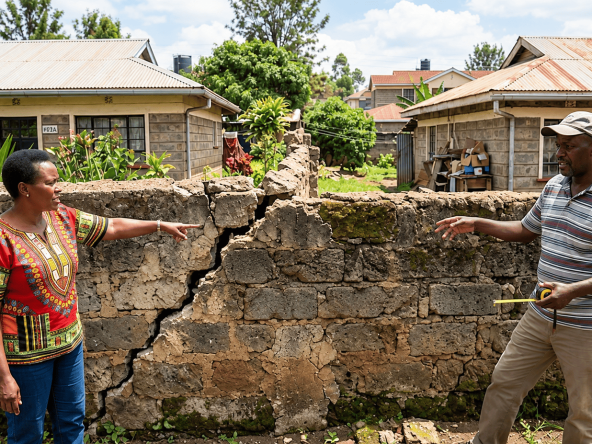

A Critical Question for Property Buyers
As interest in real estate in Nairobi Kenya continues to grow—driven by demand for homes for sale in Nairobi, apartments for sale in Nairobi, and property investment Kenya—a crucial safety question is emerging:
Are Nairobi buildings strong enough to withstand an earthquake?
While Nairobi is not widely known for seismic activity, this creates a false sense of security. The real concern lies not just in the likelihood of an earthquake, but in whether the city’s buildings are structurally prepared for one.
Nairobi’s Seismic Reality: Low Risk Does Not Mean No Risk
Nairobi sits outside the most active zones of the Great Rift Valley, which reduces its exposure to strong earthquakes. However, tremors have been recorded in Kenya, and seismic waves can still travel into the city.
What this means in practical terms
- Earthquakes in Kenya are infrequent but possible
- Nairobi experiences lower seismic intensity compared to Rift Valley towns
- Even moderate tremors can affect poorly constructed buildings
- Urban density increases the potential impact of any structural failure
👉 For anyone looking to buy property in Kenya, understanding this distinction is key:
Low probability does not equal low consequence.
The Core Issue: Structural Weakness in Nairobi Buildings
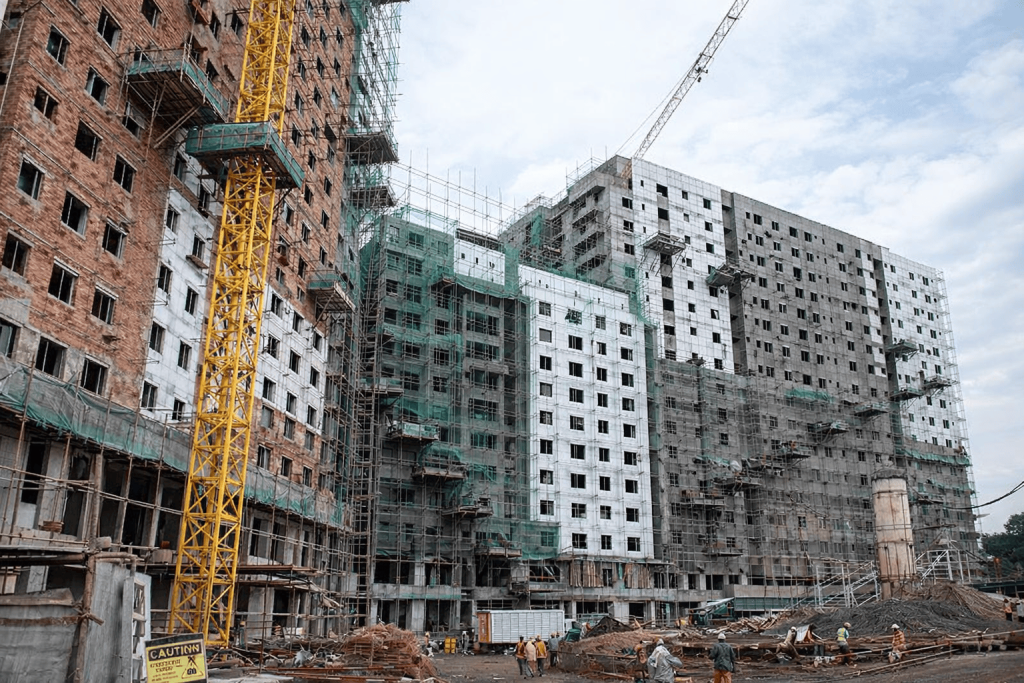
The real risk lies in how buildings are constructed across the city. Concerns raised by the Architectural Association of Kenya highlight gaps in compliance, supervision, and engineering standards.
Key structural concerns identified by experts
- Inconsistent adherence to approved building designs
- Use of substandard construction materials
- Limited structural oversight during construction
- Rapid vertical expansion without proper reinforcement
These issues directly affect the safety of houses for sale in Nairobi, especially in high-density and rapidly developing areas.
Why Some Buildings Are More Vulnerable Than Others

Not all properties carry the same level of risk. Vulnerability often depends on design quality, construction practices, and regulatory compliance.
High-risk building characteristics
- “Soft-storey” designs (weak ground floors used for parking or shops)
- Buildings with added floors beyond approved plans
- Poorly reinforced concrete structures
- Developments built without qualified structural engineers
Lower-risk (safer) building characteristics
- Professionally designed and supervised projects
- Compliance with structural engineering standards
- Balanced load distribution and proper reinforcement
- Developments by reputable real estate developers in Kenya
👉 This distinction is critical when evaluating property listings Kenya.
Read Also:The Rise of Master-Planned Cities in Kenya: A New Frontier for High-Value Real Estate Investment
How This Affects Property Investment in Kenya
For investors and homebuyers, structural integrity is not just a safety issue—it’s a financial one.
Potential risks to investors
- Loss of property value due to safety concerns
- Higher long-term maintenance and repair costs
- Reduced rental appeal for unsafe buildings
- Insurance and financing challenges
Opportunities for informed buyers
- Investing in structurally sound gated communities in Nairobi
- Prioritizing quality over price in affordable houses in Nairobi
- Targeting developments with verified approvals
- Exploring land investment Kenya as a lower-risk alternative
Comparing Risk Factors in Nairobi’s Property Market
| Risk Factor | Current Situation in Nairobi | Impact on Buyers & Investors |
|---|---|---|
| Earthquake Hazard | Low to moderate | Minimal concern on its own |
| Building Quality | Highly variable | Major determinant of safety |
| Regulatory Enforcement | Inconsistent | Increased risk of non-compliant structures |
| Urban Density | High | Amplifies potential damage |
| Buyer Awareness | Growing but still limited | Opportunity for informed investment |
👉 Key takeaway:
The greatest risk in the Kenya property market is not seismic activity—but construction quality.
What Would Happen If an Earthquake Occurred?
Even a moderate tremor could expose existing weaknesses in Nairobi’s built environment.
Likely outcomes
- Structural failure in poorly constructed buildings
- Localized collapses in high-density residential zones
- Disruption to infrastructure and services
- Economic ripple effects across the Nairobi real estate market
Importantly, most damage would result from building failure, not the earthquake itself.
What Property Buyers Should Look For

If you’re planning to buy a house in Nairobi or explore property investment opportunities Kenya, due diligence is essential.
Key checks before buying property
- Confirm involvement of licensed structural engineers
- Verify building approvals and compliance certificates
- Assess developer reputation and past projects
- Inspect visible structural quality and finishing
For diaspora investors
If you’re considering Kenya diaspora property investment:
- Work with trusted professionals on the ground
- Request full documentation before committing
- Avoid rushed or unusually cheap deals
Why Land Is Gaining Popularity Among Investors
Due to concerns about structural quality, many investors are shifting toward land.
Advantages of land investment
- No structural risk
- Flexible development options
- Lower maintenance costs
- Strong appreciation potential
This explains the rising demand for:
- Plots for sale in Nairobi
- Residential plots in Nairobi
- Commercial land for sale Kenya
Read Also:Kamiti’s Transformation: From Insecurity Hotspot to Nairobi’s Next Real Estate Goldmine
A Market Defined by Construction Quality
Nairobi’s real estate sector remains one of the most dynamic in Africa, offering vast real estate opportunities in Kenya. However, the issue of structural safety cannot be ignored.
The true risk is not whether an earthquake will happen—but whether buildings are strong enough if it does.
For buyers, investors, and developers alike, the future of the Nairobi real estate market will depend on one key factor:
Building smarter, safer, and with full accountability.
Read Also:Gated Communities vs Standalone Homes: What Nairobi Buyers Really Prefer in 2026