For decades, suburban living was defined by an unavoidable trade-off. Families seeking space, security, and modern home layouts accepted the reality of “dormitory suburbs”—residential areas where you slept, but from which you had to commute hours every day for work, schooling, grocery shopping, and medical care. A simple errand meant firing up an engine and braving highway traffic.
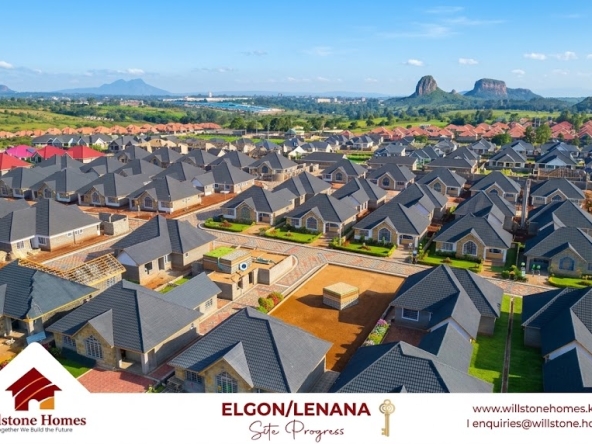
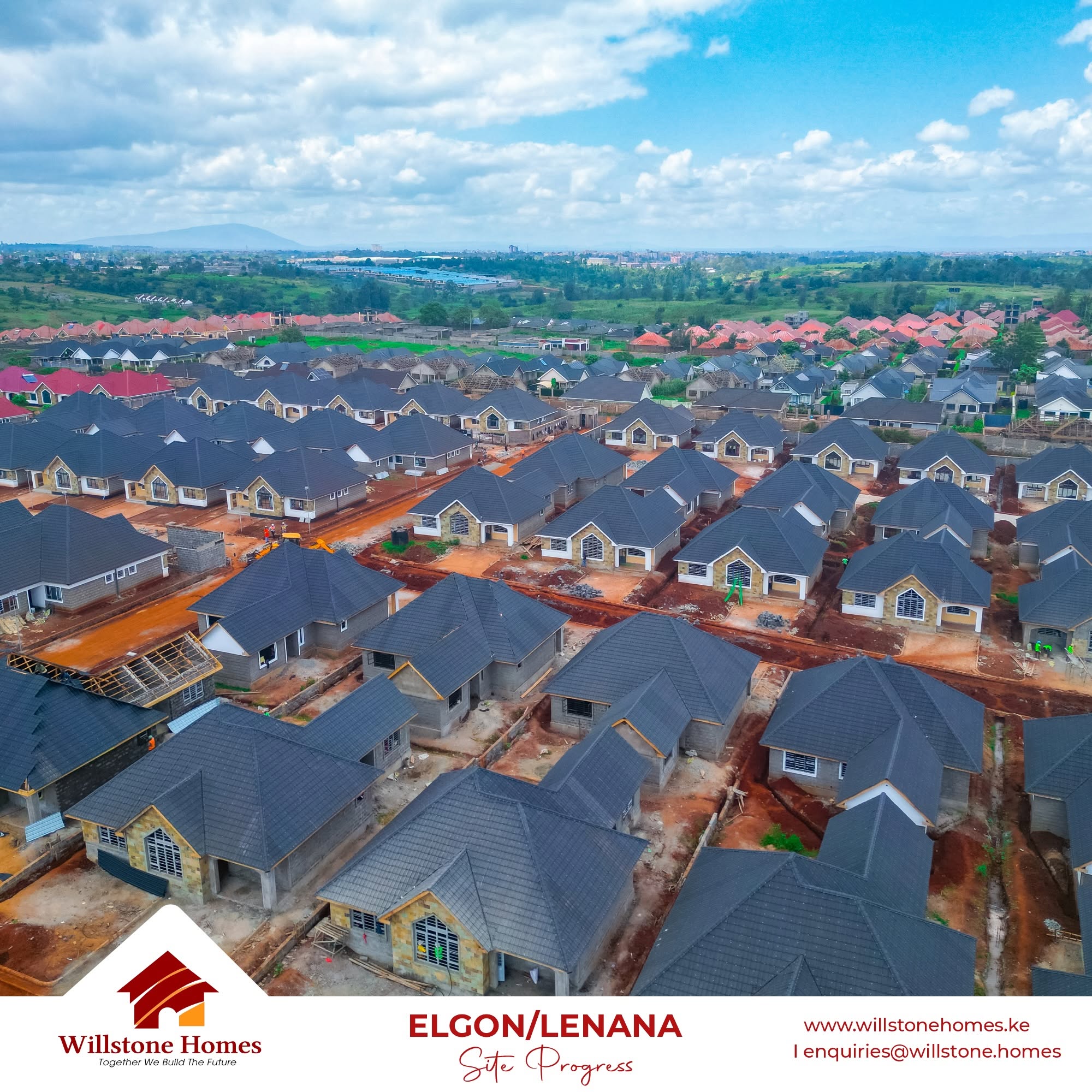
Today, a profound shift is reshaping suburban master planning. Modern gated estates are no longer isolated pockets of residential housing standing alone in empty fields. Instead, they are functioning as powerful economic anchors, sparking dynamic micro-economies around their perimeters.
Welcome to the era of the 15-Minute Estate: a neighborhood model where your home sits at the center of a self-sustaining ecosystem, placing schools, healthcare, fresh produce markets, fitness centers, and workspace hubs within a short, stress-free radius.
The Rooftop Anchor Effect: How Density Drives Commercial Capital
To understand how a gated estate sparks an economic ecosystem, you have to look at how commercial service providers make investment decisions.
Retail banks, private hospital groups, supermarket chains, and school directors rarely open branches on speculation. They follow guaranteed customer density. When a master-planned developer builds a cluster of 150 to 300 modern maisonettes or bungalows, they create a concentrated node of middle-income household purchasing power.
This concentration triggers what urban planners call the Rooftop Anchor Effect:
- Phase 1: Essential Convenience Retailing. Within months of the first homeowners moving in, independent entrepreneurs set up shop along access roads. Convenience stores, organic green grocers, pharmacies, and LPG gas distribution outlets appear right outside the estate gates.
- Phase 2: High-Value Service Provision. As the surrounding cluster of gated communities expands, commercial developers take notice. Purpose-built strip malls emerge featuring anchor supermarkets, artisan bakeries, dry cleaners, and coffee shops designed for hybrid remote workers.
- Phase 3: Social & Family Infrastructure. Private school directors and healthcare providers build branch campuses adjacent to the residential corridors, knowing the local demographic guarantees consistent enrollment and foot traffic.
[Concentrated Estates] ──► [Guaranteed Household Spending] ──► [Retail & Service Influx] ──► [Ecosystem Self-Sufficiency]
Anatomy of a Suburban Micro-Economy
When an estate achieves critical mass, daily life reorganizes itself. Instead of spending your weekends negotiating congested city centers, your entire lifestyle migrates to your immediate neighborhood perimeter.
1. Education Within a 5-Minute Radius
For families with young children, the single biggest drain on weekday energy is the school run. In traditional unmanaged suburbs, children board school buses as early as 5:30 AM to navigate morning traffic toward central school districts.
In a 15-Minute Estate corridor, private educational institutions establish early childhood centers, kindergartens, and primary campuses directly along the residential feeder roads. The result? A 5-minute drop-off. Children gain an extra hour of sleep every morning, and parents reclaim hours of lost productivity.
2. Decentralized Healthcare & Wellness
Modern suburban micro-economies attract outpatient medical centers, dental clinics, and diagnostic labs operated by established healthcare brands. Emergency care, routine pediatric visits, and wellness checks no longer require a trip to the central business district. Alongside healthcare, private fitness centers, swimming academies, and sports courts emerge to cater to health-conscious residents.
3. Coworking & Hybrid Work Hubs
As corporate work dynamics evolve toward hybrid models, the residential suburb has become a primary workspace. Neighborhood coffee shops, boutique business lounges, and quiet coworking hubs popping up near gated communities allow professionals to work productively outside their homes without enduring a daily highway commute.
Standalone Plots vs. Integrated 15-Minute Estates
When evaluating where to raise a family or invest your capital, comparing isolated plot purchases against master-planned estate ecosystems reveals stark differences in lifestyle quality and financial performance.
| Lifestyle & Economic Metric | Isolated Standalone Plot | Master-Planned 15-Minute Estate |
| School Commute Time | 30–60 minutes in heavy traffic | 5–10 minutes via local feeder roads |
| Grocery & Daily Needs | Requires driving to distant commercial centers | Walkable or 2-minute drive to estate gate hubs |
| Security Overhead | Individual private guards, wire fencing, standalone alarm systems | Centralized perimeter walling, manned gatehouses, CCTV |
| Neighborhood Commercial Growth | Unplanned, ad-hoc commercial encroachment | Purpose-built, zoned commercial nodes preserving peace |
| Capital Growth Trajectory | Dependent on slow, public infrastructure updates | Accelerated by private commercial investment density |
| Resale & Rental Demand | Niche, buyer-dependent appeal | High ongoing demand from families and premium tenants |
The Value Multiplier: How Micro-Economies Supercharge ROI
Beyond daily convenience, living in a self-sustaining estate corridor generates exceptional long-term wealth. Property values do not appreciate in a vacuum—they react directly to local amenity density.
The Real Estate Catalyst: A house built in an area where you must drive 45 minutes for milk appreciates at standard inflation rates. A house built within walking distance of an international school, a modern supermarket, and a pharmacy commands an immediate location premium.
Dual Engine Appreciation
Homeowners in master-planned micro-economies benefit from two distinct forces driving capital growth:
- Physical Asset Appreciation: The intrinsic land and construction value increase as the estate matures.
- Amenity Appreciation: As the surrounding strip malls, sports complexes, and private clinics open their doors, the neighborhood becomes significantly more desirable, driving up market demand and secondary sale prices.
For real estate investors, this translates into higher occupancy rates, minimal tenant turnover, and strong rental yields from professional families prioritizing convenience.
Evaluating the “15-Minute Potential” Before You Buy
If you are currently evaluating residential options for your family, look beyond the four walls of the house itself. Assess the surrounding zone for indicators of a blossoming micro-economy:
- Zoned Commercial Nodes: Does the developer or local master plan designate specific zones for retail, daycares, and green spaces, keeping business traffic separate from residential streets?
- Road Feeder Connectivity: Is the estate connected to main arterial routes via well-paved feeder roads that easily attract school buses and delivery services?
- Concentrated Residential Activity: Are there multiple completed or ongoing estate developments nearby? Higher rooftop density accelerates commercial investment.
- Proximity to Key Anchors: Are established hospitals, reputable school networks, or shopping hubs expanding toward this suburban corridor?
The Ultimate Return on Investment: Time
At its core, the 15-Minute Estate is about reclaiming your family’s most non-renewable resource: time.
By choosing a home anchored in a growing suburban micro-economy, you trade hours spent in traffic jams for evening dinners with your family, weekend recreation in your immediate neighborhood, and the peace of mind that comes with having every essential service just minutes from your front door.
Master-planned estate living doesn’t just build housing equity—it builds an effortless, enriched quality of life.
Read Also: Surging Land Prices in Ruiru & Thika: Why Savvy Buyers Are Turning to Gated Community Homes