
There was a time when land around parts of Nairobi was so abundant that today’s property prices would have sounded almost unbelievable.
When I first came to Nairobi in the mid-1990s, I remember seeing stretches of bush and undeveloped land around areas such as Umoja and Kayole. Nairobi had already grown considerably, but the city had not yet consumed everything around it.
Today, owning a quarter-acre in an established part of Umoja or Kayole is a very different proposition.
The land did not become valuable because the soil changed.
The city changed.
People came. Roads improved. Houses multiplied. Schools opened. Shops appeared. Public transport expanded. Businesses followed. What once looked like the outskirts gradually became part of Nairobi’s everyday urban life.
That history raises an intriguing question for today’s property buyers in Kenya:
Where is tomorrow’s Umoja or Kayole?
The answer may not be a single place. It may be found in the collection of rapidly developing corridors beyond Nairobi’s traditional residential core.
And that is why today’s seemingly expensive land for sale in Nairobi’s satellite towns deserves to be viewed not only through the price tag, but also through the changing geography of the city.
Nairobi’s Frontier Has Never Stood Still
Nairobi has always been a city in motion.
As the population grew, residential development pushed beyond the established core. A World Bank-supported analysis found that Nairobi’s population more than doubled from approximately 1.4 million in 1990 to 3.2 million in 2010, while the city’s built-up footprint expanded particularly along its eastern side.
Umoja itself provides a remarkable illustration of this transformation.
Historical accounts describe Umoja as having roots in former agricultural land, including sisal cultivation, before residential development transformed the area. Umoja I was developed under a tenant-purchase scheme in the 1970s, while Umoja II followed through a site-and-service approach in the 1980s.
Decades later, the physical character of the neighbourhood has changed dramatically, with many original homes giving way to apartments and denser development.
That is more than an interesting piece of Nairobi history.
It is a lesson in real estate and urban expansion.
The places that seem peripheral during one generation can become established residential locations in another.
What Looks “Too Far” Today May Not Always Be Too Far

One of the biggest psychological obstacles facing a land buyer in Kenya is distance.
A buyer drives beyond the familiar parts of Nairobi, sees open land, farms, relatively quiet roads and scattered buildings and concludes:
“This place is too far.”
It is a perfectly reasonable observation.
But there is another question worth asking:
Too far from what?
A location can be far from today’s city centre while being positioned within tomorrow’s metropolitan expansion.
That distinction is important.
The question is not simply how many kilometres separate a property from Nairobi CBD today.
It is also what is happening around that property.
Are roads improving?
Are residential communities appearing?
Are schools and shopping centres following population growth?
Are employment centres and commercial activities moving closer?
Are utilities expanding?
Is the area being planned properly?
These are the kinds of questions that can reveal the difference between an ordinary piece of land and a location with a credible long-term development story.
Ruiru Shows What Can Happen to the Urban Edge
Consider Ruiru.
Research examining the area’s historical expansion found that its built-up area grew from approximately 0.016 square kilometres in 1948 to 0.349 square kilometres in 1977 and about 3.783 square kilometres by 2020. The researchers identified substantial peri-urban growth along the Thika Road corridor.
The significance is not simply that Ruiru has grown.
It is that the urban edge itself moved.
What was once regarded as outside the main city became increasingly integrated into the metropolitan economy.
Current land data provide another indication of how far that transformation has gone. Cytonn’s H1 2026 review put serviced land in the Ruiru and Juja submarket at an average of approximately KSh22 million per acre, up 5.8% from the previous year in that particular segment.
Those numbers may sound high compared with the Nairobi of decades ago.
But perhaps that is precisely the point.
Today’s Ruiru cannot be priced as though it were yesterday’s Ruiru.
Juja Offers Another Glimpse of the Same Story
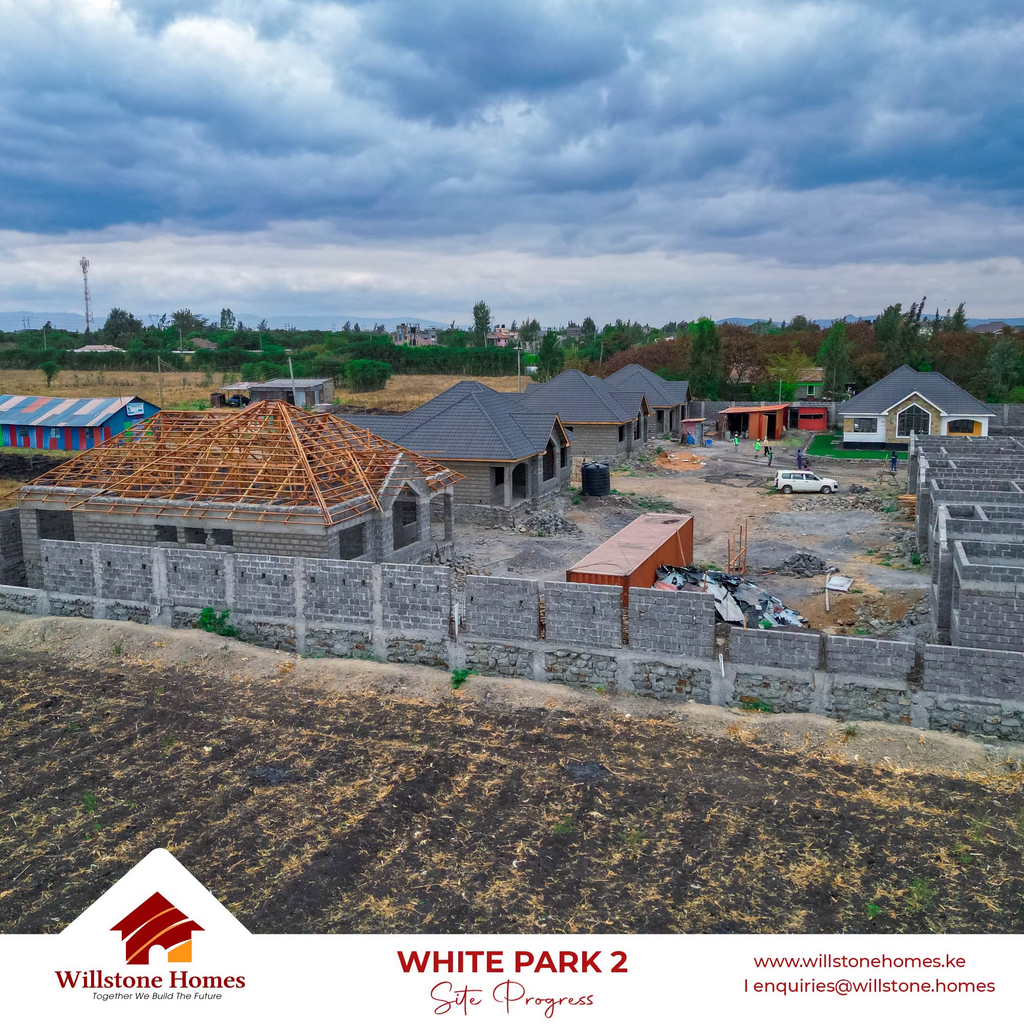
Juja provides an equally fascinating example.
In March 2026, Business Daily reported that Juja Farm was undergoing rapid transformation as infrastructure expansion and housing demand reshaped the area. Some land acquired by early settlers for a few hundred thousand shillings in the 1990s was reportedly being subdivided into residential plots selling for more than KSh2 million.
That is almost a textbook example of the phenomenon we are discussing.
A piece of land does not necessarily become valuable overnight.
The environment around it changes first.
Then perception changes.
Then demand changes.
And eventually, the market begins assigning a completely different value to the land.
For readers exploring land for sale in Juja, that history is worth understanding.
But it also comes with a warning.
The same report highlighted concerns about uncontrolled subdivision and inadequate planning in Juja Farm.
So the lesson is not simply:
“Buy land in Juja.”
The better lesson is:
Understand the quality of the development taking place around the land.
Today’s “New Umoja” May Not Be One Place
This is where the comparison becomes particularly interesting.
If Umoja and Kayole represented part of Nairobi’s expanding frontier in an earlier era, today’s frontier is much broader.
It includes areas along the Thika Road corridor, Kangundo Road, the Ruiru-Juja axis and other parts of the Nairobi metropolitan region.
For Willstone Homes, several of these locations are already familiar territory: Ruiru, Juja, Mang’u, Kenyatta Road, Kamulu, Joska, Malaa and Kangundo Road.
But it is important not to treat them as identical markets.
Each location has its own infrastructure, planning environment, accessibility, land prices, housing demand and development trajectory.
That is precisely why a serious property buyer should investigate the specific location rather than simply following a popular investment slogan.
For a closer look at one of the eastern corridors, Willstone’s analysis of the Kamulu real estate market examines how infrastructure and residential growth are changing perceptions of an area that was once considered distant.
Read Also : The Kamulu Real Estate Market
Infrastructure Can Change the Meaning of Distance
There is another lesson buried in Nairobi’s property history:
Infrastructure can change what “near” and “far” mean.
The Thika Road transformation is one example.
Improved connectivity helped stimulate residential, commercial and industrial development along the corridor. The relationship between transport infrastructure and property development has since become one of the defining features of Nairobi’s metropolitan expansion.
Kangundo Road offers another example worth watching.
Willstone has previously examined how the corridor could reshape perceptions of areas such as Kamulu and surrounding locations.
Read Also: Why Kangundo Road Could Be the Next Thika Road
But infrastructure should never be treated as a magic word.
A road alone does not guarantee property appreciation.
The stronger proposition is infrastructure combined with population growth, accessibility, employment, services, planning and genuine housing demand.
That combination is what can gradually turn an emerging settlement into an established neighbourhood.
Today’s Land May Already Look Expensive
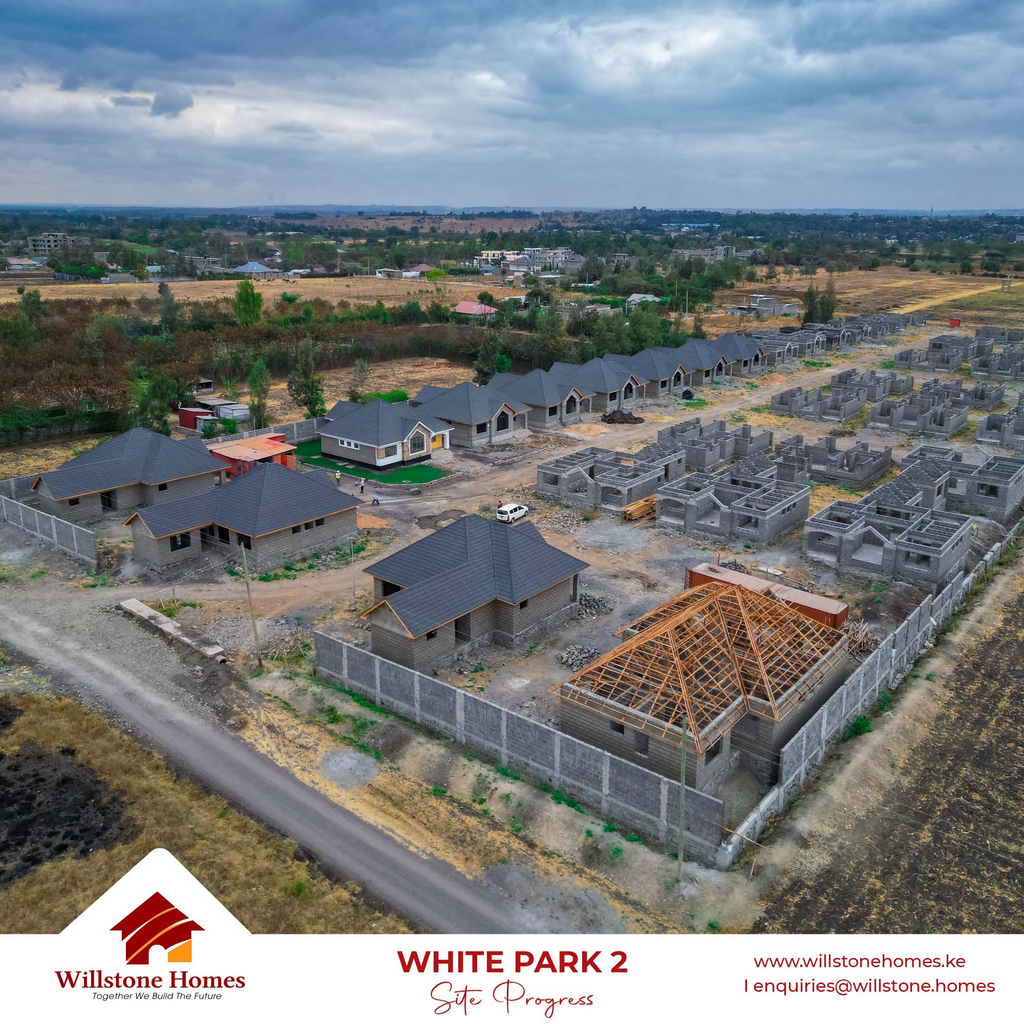
There is an uncomfortable truth for today’s buyer.
The era when large parcels around Nairobi could be acquired for what now seems like pocket change is largely gone.
Current market data demonstrate just how much the satellite-town landscape has changed.
HassConsult data reported in 2026 put Ruiru’s average land price at about KSh40.5 million per acre in the first quarter, while Juja was reported at approximately KSh26.6 million per acre. Compared with April 2016, the reported average price represented roughly 2.38 times the Ruiru figure and 3.31 times the Juja figure.
At the same time, the market is not moving uniformly upward.
Cytonn’s H1 2026 data showed serviced land in Ruiru and Juja gaining 5.8% year-on-year, while several other satellite-town markets recorded much smaller movements or declines.
That distinction matters.
Real estate is not a machine that automatically turns every plot into a fortune.
The old stories of dramatic appreciation should therefore inspire research, not blind speculation.
The Real Lesson of Umoja and Kayole
Perhaps the most important lesson from the older Nairobi neighbourhoods is not that people should search for “cheap land.”
It is that land value is heavily influenced by what happens around the land.
Think about what transformed the old Nairobi outskirts.
Population increased.
Housing demand increased.
Transport improved.
Businesses emerged.
Schools and services followed.
Neighbourhoods matured.
The same broad forces continue to shape Nairobi’s metropolitan expansion today.
The difference is that today’s buyer has more information available.
You can investigate infrastructure.
You can examine development plans.
You can compare prices.
You can inspect neighbouring developments.
You can verify ownership.
You can assess access roads and utilities.
And you can ask whether the developer has a coherent plan for creating a functioning community rather than simply selling subdivided pieces of land.
That last point matters enormously.
Not Every “Cheap Plot” Is Tomorrow’s Goldmine
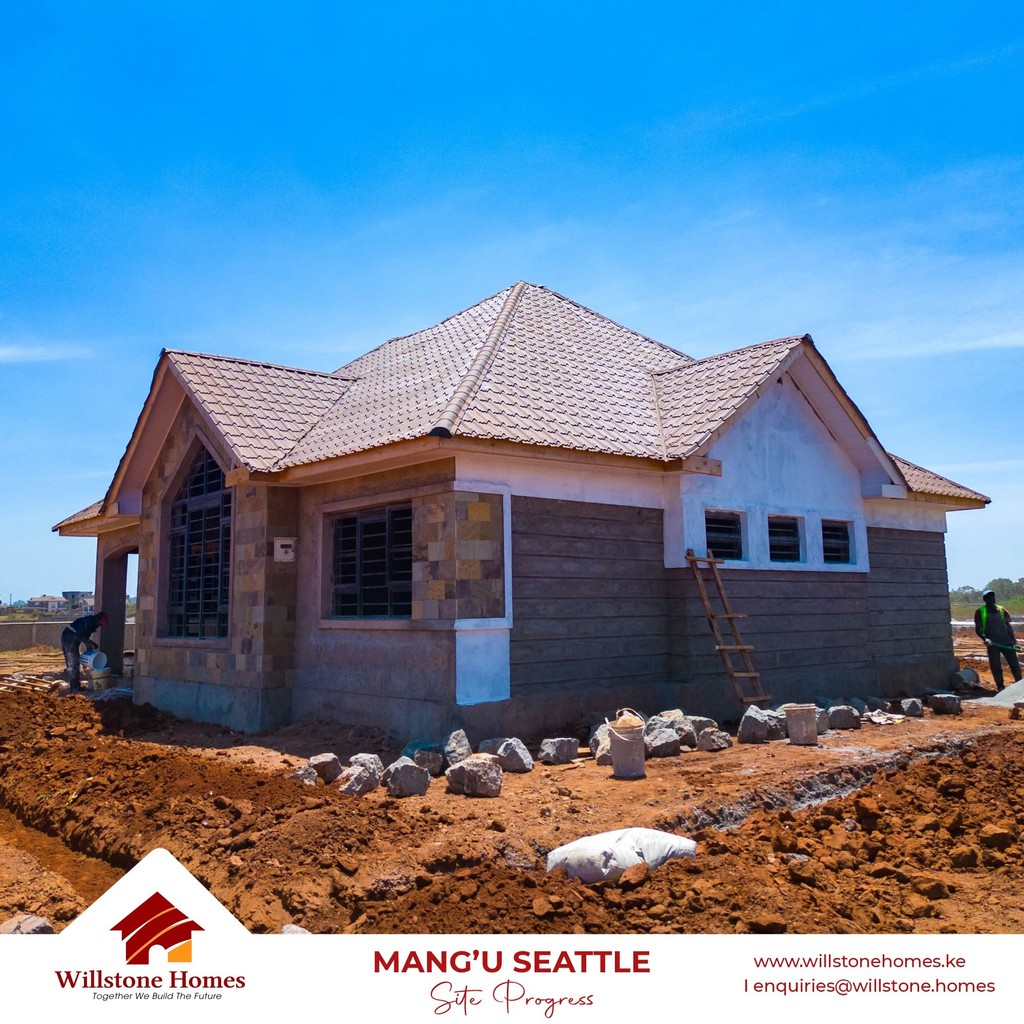
This is where responsible property investment in Kenya must differ from speculation.
A cheap plot can remain cheap.
A seemingly promising area can experience infrastructure delays.
Land can be improperly subdivided.
Planning can be inadequate.
Titles can require careful verification.
A development can fail to attract the population and services that investors expected.
Juja Farm’s recent experience illustrates the other side of rapid growth: rising land values can occur alongside concerns about planning and overcrowding.
For anyone searching for plots for sale in Nairobi and its surrounding areas, due diligence therefore matters just as much as location.
Willstone’s guide on finding affordable plots without getting scammed covers several of these fundamentals, including title verification, physical inspection, infrastructure and the importance of dealing with established developers.
Read Also Where to Find Affordable Plots in Nairobi Without Getting Scammed
What Should Today’s Buyer Look For?
The smartest question may not be:
“Where is land cheapest?”
Instead, ask:
“Where is a complete community beginning to form?”
That means looking at several factors together.
1. Accessibility
A location does not need to be in the middle of Nairobi to be useful.
But reliable access matters.
Roads, public transport and connections to major employment and commercial centres can significantly influence residential demand.
2. Existing and Emerging Infrastructure
Water, electricity, roads, schools, healthcare facilities and shopping centres can make the difference between an isolated plot and a viable residential location.
3. Planning
Growth without planning can produce congestion rather than long-term value.
A properly planned development can be very different from uncontrolled subdivision.
4. Genuine Housing Demand
People ultimately need somewhere to live.
Locations attracting actual homeowners and families can have a different development story from locations driven almost entirely by speculative land trading.
5. Documentation and Ownership
No future-growth story can compensate for questionable ownership.
Before purchasing land in Kenya, buyers should conduct appropriate searches and verify documentation rather than relying solely on a salesperson’s assurances.
6. The Developer
When purchasing within a gated community, the developer’s track record matters.
Who is building the development?
What have they already completed?
Are roads and services being delivered?
Does the community have a coherent plan?
Is the development designed around how families actually live?
These questions shift the conversation from simply buying land to buying into a place.
What Did the People Who Bought Yesterday’s Land Really Buy?
This may be the most fascinating question of all.
The people who acquired land around the growing edges of Nairobi decades ago were not necessarily purchasing today’s finished neighbourhood.
They were purchasing land before the full value of its surrounding environment had arrived.
Some bought because it was affordable.
Some bought because they wanted to build.
Some bought agricultural land.
Some bought for their families.
Some understood where Nairobi was heading.
And some were simply fortunate.
But with hindsight, their experiences reveal something worth remembering:
The value of a location can change dramatically when the city catches up with it.
That does not mean we can predict exactly where Nairobi will be in 20 years.
It means we can study the forces that have repeatedly shaped its expansion.
Could Today’s Satellite Towns Become Tomorrow’s Established Neighbourhoods?
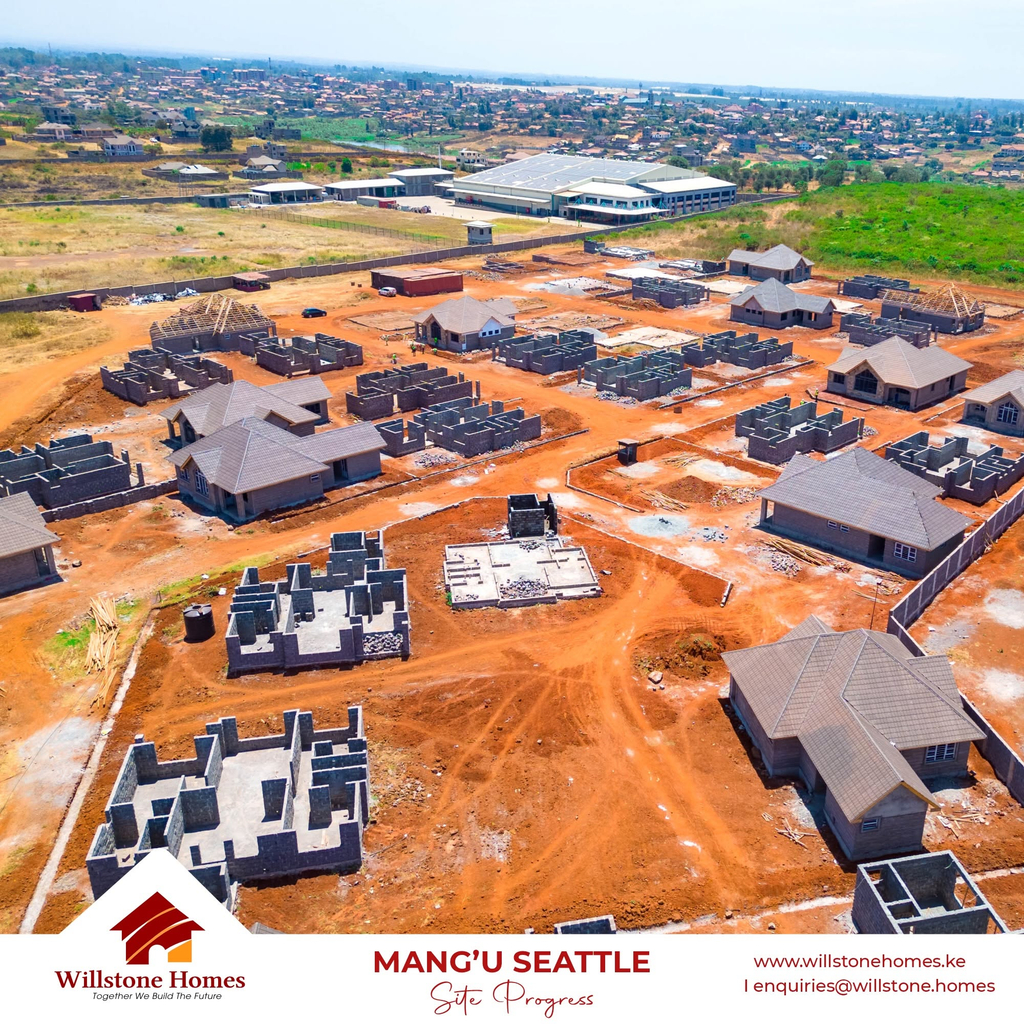
Nobody can responsibly guarantee that Ruiru, Juja, Kamulu, Joska, Malaa, Ruai or any other particular location will reproduce the exact history of Umoja and Kayole.
Real estate markets are more complicated than that.
But the broader pattern is difficult to ignore.
Nairobi has expanded before.
It is expanding again.
The metropolitan boundary is not fixed.
And the definition of a desirable residential location changes with time.
For today’s home buyers in Kenya, this creates an interesting opportunity to think beyond the conventional boundaries of Nairobi.
Instead of asking only:
“How developed is this place today?”
it may be worth asking:
“What is being built around it, and what kind of community could this become?”
That is a much more useful question.
The Price of Yesterday Looks Cheap Because We Know the Ending
There is a psychological trap in looking backwards.
When we hear that somebody bought land decades ago for a fraction of today’s price, we immediately think:
“If only I had bought then.”
But people living in that period did not have the benefit of hindsight.
They saw the bush.
They saw the distance.
They saw the undeveloped roads.
They saw the uncertainty.
They had to decide whether the future justified the price they were being asked to pay at the time.
Today’s buyer faces a similar, though very different, challenge.
The locations are different.
The prices are higher.
The city is larger.
The risks are different.
But the fundamental question remains surprisingly familiar:
Can you recognise a location’s potential before its future becomes obvious to everyone?
The Next Generation Will Judge Today’s Prices Differently
Imagine someone looking back at Nairobi’s metropolitan map in 2045.
They may find today’s land prices astonishingly low in some locations.
They may also find today’s prices astonishingly high in others.
Some areas we currently regard as distant may be fully integrated into the metropolitan economy.
Others may have grown more slowly than expected.
That uncertainty is precisely why responsible property buying requires more than a prediction.
It requires research, verification, planning and patience.
The Real Estate Lesson Nairobi Keeps Teaching Us
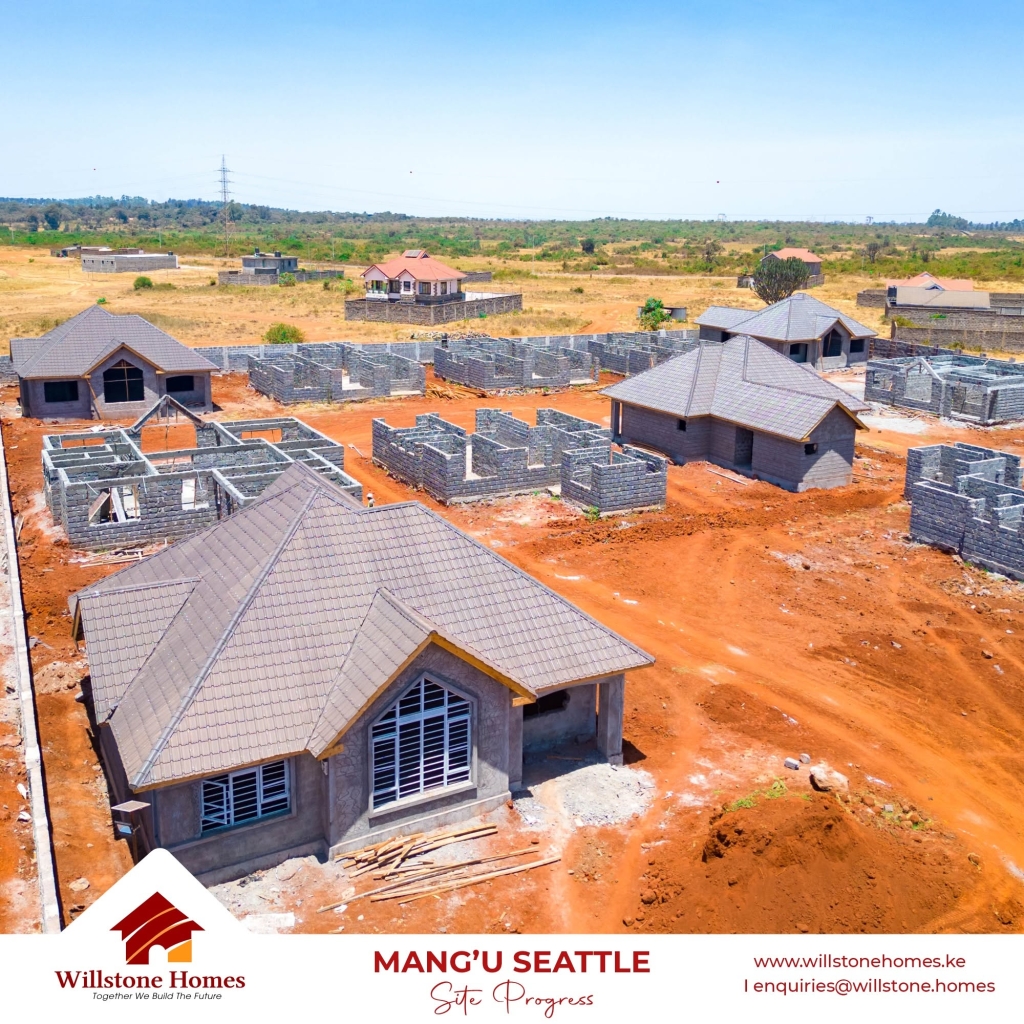
Umoja and Kayole do not tell us exactly which locations will become tomorrow’s property hotspots.
They teach us something more fundamental.
Cities move.
Where people live changes.
Where businesses operate changes.
Where roads lead changes.
Where schools and services are built changes.
And as these things change, the meaning — and often the value — of land changes with them.
The Nairobi of the 1990s could not have been expected to remain the Nairobi of the 1990s.
The Nairobi metropolitan region of 2026 will not necessarily look the same in 2040.
That is why today’s property buyer should not look only at the neighbourhood they can see.
They should look at the direction in which the city is moving.
From Yesterday’s Bush to Tomorrow’s Community
Perhaps that is the most enduring lesson.
Yesterday’s bush did not become valuable because somebody declared it valuable.
It became valuable because a city grew around it.
The roads came.
The homes came.
The families came.
The schools came.
The shops came.
The businesses came.
And eventually, what had once looked like the edge of Nairobi became Nairobi.
Today, the frontier has moved again.
For buyers considering gated community homes in Kenya, verified plots, or property along Nairobi’s expanding metropolitan corridors, the opportunity is not about trying to predict the future with certainty.
It is about understanding the present well enough to recognise credible growth when you see it.
That is why locations such as Ruiru, Juja, Kangundo Road, Kamulu, Joska, Malaa and other emerging residential corridors deserve to be studied carefully — not because every one of them is guaranteed to become another Umoja, but because Nairobi’s history tells us that today’s urban edge does not necessarily remain the urban edge.
And perhaps, years from now, someone will look at today’s photographs of these places and say the same thing many Nairobians can say about the old Umoja and Kayole:
“I remember when this place was still far away.”
At Willstone Homes, we believe that buying a home should be about more than acquiring four walls.
It should be about understanding the location, the community, the development environment and the future you are building toward.
Because sometimes, the most interesting property story is not about where the city has already arrived.
It is about where the city is going next.