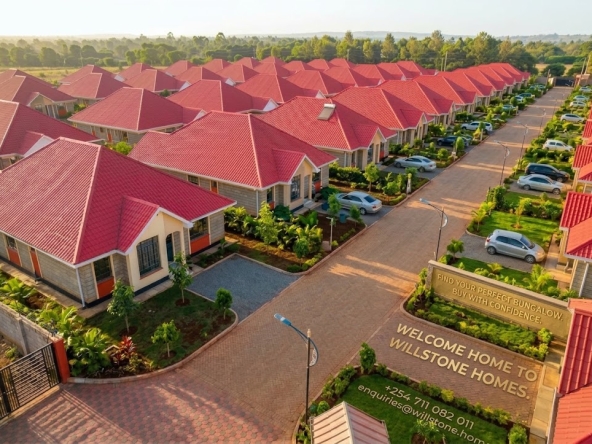

The dynamics of Nairobi’s residential real estate market are undergoing a fundamental transformation. For decades, property development across the Nairobi Metropolitan Area was governed by a simple rule: location above all else. High density, proximity to the Central Business District (CBD), and maximum square footage per plot dictated developer margins and buyer interest.
However, a confluence of demographic shifts, evolving workplace models, infrastructure expansions, and innovative mortgage structures has rewritten the homebuyer’s priority list. Today’s buyers—dominated by young professionals, expanding families, and first-time investors—no longer view a home merely as a physical asset or a place to sleep after a long commute. They view it as a holistic lifestyle ecosystem.
Real estate developers, mortgage lenders, and urban planners who fail to align their product offerings with these shifting consumer preferences risk building for a market that no longer exists.
Read Also: Co-op Bank Unveils 100% KMRC Mortgage: How Homebuyers Can Secure a Willstone Home with Zero Deposit
1. The Demographic Realignment: Who is Buying Today?
Kenya’s demographic profile is one of the youngest globally, with over 75% of the population under 35. As this cohort enters its peak earning and family-formation years, their preferences are reshaping housing demand.
                  TRADITIONAL BUYER VS. MODERN NAIROBI BUYER

   TRADITIONAL BUYER                     MODERN BUYER
  ┌─────────────────────────┐           ┌─────────────────────────┐
  │ • CBD Proximity         │           │ • Suburban Serenity     │
  │ • High-Density Units    │ ────────► │ • Gated Communities     │
  │ • Cash/Rigid Payments   │           │ • 100% KMRC Mortgages   │
  │ • Physical Square Feet  │           │ • Digital Infrastructure│
  └─────────────────────────┘           └─────────────────────────┘
- The Shift from Renting to Ownership: Historically, urban dwellers viewed homeownership as a project for later in life—often deferred until retirement. Modern young professionals are seeking homeownership significantly earlier, driven by rental inflation and a desire for long-term equity.
- Family-Centric Priorities: Today’s buyers prioritize child-friendly, secure environments. Shared amenities—such as controlled access gates, paved internal roads, green open spaces, and dedicated play areas—have transitioned from luxury add-ons to non-negotiable standards.
2. Infrastructure & Satellite Town Expansion: The Geography of Convenience
The expansion of major transport corridors—including the Thika Superhighway, the Nairobi Expressway, the Western Bypass, and upgraded commuter rail lines—has redefined accessible distances within the Nairobi Metropolitan Area.
+-------------------------------------------------------------------------+
|                NAIROBI METROPOLITAN GROWTH CORRIDORS                    |
+------------------------------------+------------------------------------+
| Corridor                           | Primary Buyer Appeal               |
+------------------------------------+------------------------------------+
| Thika Road (Ruiru, Juja)           | Gated Bungalows, University Hubs,  |
|                                    | Commercial Centers                 |
| West/North (Kiambu Road, Ruaka)    | High-Density Apartments, Commercial|
| South/East (Syokimau, Athi River)  | Industrial Proximity, Expressway   |
|                                    | Access                             |
| South-West (Ongata Rongai, Ngong)  | Commuter Rail, Lower Entry Prices  |
+------------------------------------+------------------------------------+
Rather than paying premium prices for cramped apartments in inner-city nodes, buyers are willingly moving to high-growth satellite corridors such as Ruiru, Juja, Syokimau, and Ongata Rongai.
In these areas, developers can acquire larger tracts of land to build master-planned gated communities—offering standalone 3-bedroom bungalows and maisonettes at price points comparable to, or lower than, 2-bedroom apartments in Nairobi’s traditional middle-income suburbs.
Read Also: What the Landmark KRA Service Charge Ruling Means for Kenyan Homeowners
3. The Work-From-Home & Digital Infrastructure Effect
The widespread adoption of remote and hybrid work models across corporate Kenya, tech startups, and the digital gig economy has permanently altered domestic space usage:
- Dedicated Workspaces: Buyers now actively look for units that accommodate home offices or flexible alcoves rather than rigid bedroom-only configurations.
- Connectivity Needs: High-speed fiber internet capability and reliable power backup solutions are evaluated during site visits with the same scrutiny as plumbing or security.
- Environmental Wellbeing: Spending more time at home has heightened consumer demand for natural lighting, proper ventilation, private gardens, and low-noise environments away from urban congestion.
4. Financial Product-Market Fit: Lowering the Barrier to Entry
Perhaps the most significant gap in Nairobi’s real estate market has historically been the disconnect between property pricing and mortgage accessibility.
Traditional commercial bank mortgages in Kenya suffered from two primary bottlenecks: high double-digit interest rates and demanding upfront cash deposit requirements (often 10% to 20% of the property value, plus closing costs).
   THE MORTGAGE EVOLUTION

   Traditional Mortgage                   KMRC-Backed Mortgage
   ├── Interest: 13% - 18%                ├── Interest: ~9.5% Single-Digit
   ├── Deposit Required: 10% - 20%        ├── Financing: Up to 100% (Zero Deposit)
   └── Target: High-Income Earners        └── Target: Middle-Income & First-Time Buyers
The KMRC Catalyst
The intervention of the Kenya Mortgage Refinance Company (KMRC) has altered this dynamic:
- Single-Digit Rates: By extending long-term funds to primary mortgage lenders (such as Co-op Bank) at concessional rates, home loans can now be offered to salaried borrowers at single-digit rates (around 9.5%).
- 100% Financing Facilities: Innovative banking solutions now cover up to 100% of the purchase price (up to Ksh 10.5 million within property caps of Ksh 15 million).
- Eliminating the Deposit Wall: For qualified buyers, 100% financing eliminates the need to hold millions of shillings in liquid cash reserves before securing a unit.
Developers who deliberately design, price, and market their residential projects to fit within KMRC financing thresholds (under Ksh 15 million) unlock access to an enormous pool of pre-qualified buyers.
5. Strategic Takeaways for Real Estate Providers
To remain competitive and maintain high absorption rates in Nairobi’s evolving real estate landscape, developers should consider the following strategic shifts:
  ┌────────────────────────────────────────────────────────────────────────┐
  │                      DEVELOPER STRATEGY MATRIX                         │
  └────────────────────────────────────────────────────────────────────────┘
         │
         ├── 1. PRODUCT DESIGN: Move from high-density blocks to horizontal
         │      gated communities (3-bedroom bungalows/maisonettes).
         │
         ├── 2. PRICING CAP: Align project price points under Ksh 15M to
         │      qualify directly for 100% KMRC mortgage financing.
         │
         ├── 3. LIFESTYLE AMENITIES: Integrate managed security, green spaces,
         │      fiber connectivity, and child-safe recreation.
         │
         └── 4. FINANCIAL PARTNERSHIPS: Partner directly with mortgage lenders
                to streamline the buying process from site visit to title deed.
Key Recommendations:
- Prioritize Community-Centric Master Plans: Shift focus from isolated single plots to managed gated estates with perimeter security, paved access roads, and shared community spaces.
- Standardize Modern, Practical Units: High-demand layouts—such as 3-bedroom master-ensuite bungalows—offer the ideal balance of space, privacy, and long-term asset appreciation for growing families.
- Establish Direct Bank Partnerships: Collaborate actively with mortgage-issuing banks to offer seamless, pre-approved financing pipelines for off-plan and ready units.
- Transparent Total-Cost Marketing: Clearly educate buyers on secondary costs (legal fees, stamp duty, valuation) while highlighting how low-deposit or 100% financing options make ownership immediately actionable.
Read Also: The 7% Benchmark: A 3-Stage Screening Framework for Kenyan Property Investors
Summary
The Nairobi real estate buyer has evolved from a passive seeker of shelter into an intentional consumer of lifestyle, safety, and long-term financial health.
Developers who bridge the gap between lifestyle-focused architectural design and accessible, low-interest financial structures will not only achieve faster project absorption but will also lead the next decade of urban development in Kenya.