
For millions of urban renters across Nairobi, Mombasa, Nakuru, and Kisumu, securing a new apartment involves more than finding a place that fits a monthly budget. It requires surviving a massive upfront financial hurdle.
Across Kenya’s urban centers, landlords routinely demand security deposits equal to one to two months’ rent, alongside an advance payment for the first month’s rent. In prime residential sub-markets like Kilimani, Westlands, and Lavington, deposits can rise to two or three months’ rent. When factoring in separate refundable deposits for utility meters (water and KPLC electricity) plus non-refundable lease preparation or agency fees, moving into a modest KES 30,000 per month apartment typically requires an initial outlay of KES 70,000 to KES 100,000+.
The Upfront Financial Barrier: Breakdown of Move-In Costs
| Fee Component | Typical Requirement | Purpose / Conditions |
| Rent Deposit | 1–2 months’ rent (up to 3 in high-end areas) | Held against physical damage or unpaid rent arrears. |
| Advance Rent | 1 month’s rent upfront | Covers your first 30 days of occupancy. |
| Electricity Deposit (KPLC) | KES 2,500 – KES 5,000 per meter | Protects against unpaid electricity accounts tied to the premises. |
| Water Deposit | KES 2,000 – KES 5,000 | Buffer against outstanding municipal/private water bills. |
| Lease & Service Fees | KES 2,500 – 10% of 1 month’s rent | Non-refundable processing or estate administrative charges. |
Why Landlords Demand High Security Deposits
1. Statutory Silence: No Legal Ceiling on Deposits
Unlike international markets that impose a strict statutory cap on residential security deposits (such as capping deposits at 5 weeks’ rent in the UK), Kenya has no statutory ceiling on residential rental deposits. Commercial and residential tenancy terms are predominantly governed by freedom of contract under common law. Unless a tenancy falls under specific rent-controlled thresholds governed by the Rent Restriction Tribunal, landlords are legally permitted to set deposit terms as high as the market will absorb.
Read More: Lifestyle Over Location: Why Nairobi’s Real Estate Providers Must Adapt to the New Kenyan Homebuyer
2. Utility Meter Liability
In Kenya, utility accounts for water and electricity are attached to the physical meter and property, rather than the individual tenant’s national ID. When a defaulting tenant disappears without clearing utility arrears (“midnight moves”), utility providers disconnect services from the property. The landlord must clear the balance out of pocket before a new tenant can connect electricity or water.
3. Skyrocketing Repair Costs & Turnover Expenses
Rising inflation in construction materials, hardware, and skilled labor has raised the cost of property restoration. Restoring a damaged unit—replacing broken sanitaryware, repairing wall damage from heavy mounts, or fixing damaged door locks—exceeds basic routine maintenance costs. Landlords treat higher deposits as a financial insurance policy against post-tenancy restoration expenses.
4. Urban Migration and High Demand
Continuous urbanization keeps occupancy levels elevated in satellite towns and suburban hubs like Roysambu, Syokimau, Ruaka, and Ngong. With high demand for well-located units, landlords hold significant pricing power, allowing them to enforce strict financial prerequisites without risking vacant units.
The Core Friction: Wear and Tear vs. Lawful Deductions
While paying a high deposit creates an immediate liquidity strain, retrieving it at the end of a lease is often the biggest point of conflict. Landlords frequently attempt to retain security deposits for standard repainting or natural structural aging. However, contract law distinguishes between lawful deductions and unlawful withholding.
                 PERMISSIBLE VS. IMPERMISSIBLE DEDUCTIONS
┌───────────────────────────────────────┬───────────────────────────────────────┐
│     LAWFUL DEDUCTIONS (TENANT)        │   UNLAWFUL DEDUCTIONS (LANDLORD)      │
├───────────────────────────────────────┼───────────────────────────────────────┤
│ • Documented rent arrears            │ • Faded paint from sun/age            │
│ • Unpaid utility bills at exit        │ • Repainting for a new tenant         │
│ • Holes from heavy wall mounts        │ • Worn carpet/flooring in hallways    │
│ • Broken locks, doors, or windows     │ • Routine turnover cleaning           │
│ • Stained worktops or burned fixtures │ • General structural weathering       │
└───────────────────────────────────────┴───────────────────────────────────────┘
Landmark Legal Precedent: The Small Claims Court Shortcut
Historically, tenants facing withheld deposits were forced into protracted, expensive legal battles in magistrate courts that cost more than the deposit itself.
A major legal precedent changed this landscape: in the case of Michelle Muhanda v LP Holdings Ltd, the High Court confirmed that rent deposit refund claims fall directly under Section 12(1)(b) of the Small Claims Court Act as “contracts for money held and received.”
This ruling establishes that:
- Tenants can sue landlords in the Small Claims Court for deposit refunds up to KES 1,000,000.
- Disputes must be heard and resolved within 60 days of filing.
- Landlords must prove damages with itemized contractor quotes, receipts, and pre-inspection records rather than making arbitrary deductions.
Essential Best Practices for Renters
To safeguard your capital when entering a new rental contract in Kenya:
- Conduct a Signed Joint Entry Inspection: Take timestamped photos and videos of every room, wall, socket, and plumbing fixture before moving in. Have the caretaker or landlord sign a move-in condition form.
- Insist on Explicit Lease Terms: Ensure the contract specifies that the deposit is refundable within a set window (typically 14 to 30 days) following vacant possession.
- Demand Itemized Receipts: Ensure initial payments are issued with eTIMS-compliant or official receipts explicitly labeled “Security Deposit” rather than “Rent.”
- Schedule a Joint Exit Walkthrough: Inspect the unit together on exit day to sign off on property condition before handing over keys.
Read Also: Co-op Bank Unveils 100% KMRC Mortgage: How Homebuyers Can Secure a Willstone Home with Zero Deposit
Tired of Mandatory Landlord Deposits? Break the Rental Cycle with Willstone Homes
Why sink hundreds of thousands of shillings into non-refundable moving fees, utility deposits, and unpredictable rent hikes when that same upfront capital can secure a permanent home for your family?
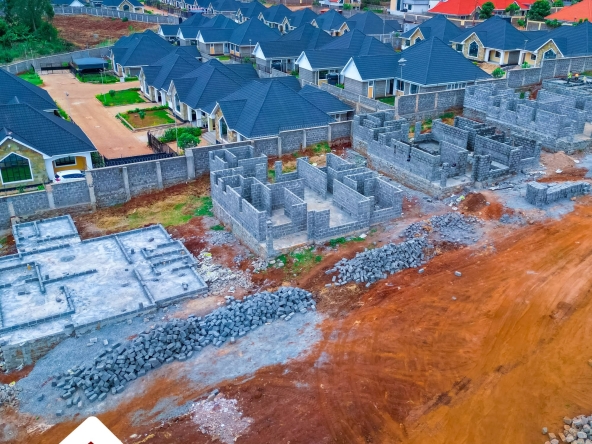
Willstone Homes Kenya offers a seamless transition from tenant vulnerability to proud homeownership. As one of Kenya’s premier residential property developers, Willstone Homes specializes in modern, high-quality 3-bedroom standalone bungalows and spacious maisonettes situated along high-growth, accessible corridors such as Kenyatta Road (off Thika Superhighway), Ruiru, Juja, and Kangundo Road.
Why Smart Buyers Are Choosing Willstone Homes over Renting
- Flexible Payment Structure: Swap non-refundable security deposits and endless monthly rent for structured, tailored installment plans designed for local and diaspora buyers.
- Transparency & Proven Track Record: Through regular Investor Site Clinics, home buyers can inspect construction milestones, track delivery timelines, and verify progress firsthand.
- Complete Community Infrastructure: Fully serviced gated estates featuring 24/7 security, cabro-paved driveways, dedicated boreholes, and perimeter fencing.
- Long-Term Wealth Generation: Direct your monthly housing budget toward acquiring a high-yield asset on a 50×100 plot rather than funding a landlord’s balance sheet.
Take the First Step Toward Homeownership Today
Stop fighting over rent deposit refunds and build your own equity instead. Contact Willstone Homes at +254 711 082 011, visit the main offices at Park Suites, 44 Parklands Road, Ground Floor, Nairobi, or explore ongoing projects atwillstonehomes.ke.