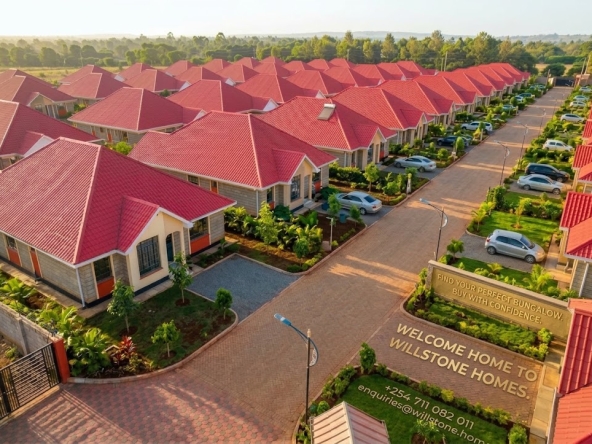

Kenya’s property landscape is undergoing a subtle but powerful transformation. For years, the term “luxury” in real estate in Nairobi Kenya was reserved for the ultra-wealthy—think expansive villas in exclusive neighborhoods and high-end standalone mansions. Today, that definition is shifting.
A new segment is emerging within the Nairobi real estate market: the middle-class luxury buyer. This group is not chasing opulence for its own sake, but rather a refined, practical version of it—what can best be described as “luxury-lite.” It is a shift that is redefining both property investment Kenya and how developers conceptualize premium living.
Read Also: Gated Communities vs Standalone Homes: What Nairobi Buyers Really Prefer in 2026
Redefining Luxury in the Kenya Property Market

Luxury is no longer about sheer size or exclusivity alone. Instead, it is increasingly about efficiency, security, and lifestyle convenience. In the modern Kenya property market, upper-middle-income buyers are seeking homes that balance aspiration with affordability.
Rather than purchasing sprawling standalone houses, many are opting for:
- Smaller, well-designed homes within gated communities in Nairobi
- Developments that offer shared lifestyle amenities instead of private excess
This marks a clear departure from the traditional idea of luxury homes in Kenya, where prestige was tied to land size and location alone. Today, design, planning, and community experience carry equal weight.
The Shift Toward Gated Community Living
One of the clearest indicators of this trend is the rapid growth of gated communities in Nairobi and its satellite towns such as Ruiru and Juja. These developments are specifically designed to cater to buyers who want premium features without the prohibitive cost of traditional luxury estates.
Instead of private swimming pools and large compounds, buyers now prioritize:
- 24/7 security and controlled access
- Landscaped communal spaces
- Shared gyms, playgrounds, and clubhouses
This model allows developers to spread costs across multiple homeowners, making houses for sale in Nairobi and surrounding areas more accessible while still maintaining a premium feel.
Read Also: Can Nairobi Buildings Withstand Earthquakes?
Why Middle-Class Buyers Are Driving This Trend

The rise of this segment is closely tied to economic and social shifts. Kenya’s growing middle class is becoming more financially empowered, yet remains value-conscious. These buyers are actively exploring real estate investment Kenya opportunities that offer both lifestyle benefits and long-term returns.
At the same time, changing work patterns and urban congestion have made satellite areas more attractive. Buyers looking to buy house in Nairobi are increasingly open to nearby regions that offer better space and pricing without sacrificing quality of life.
This has also influenced property for sale in Kenya, with developers designing products specifically tailored to this demographic—homes that sit between affordability and luxury.
Shared Amenities Replacing Private Excess
A defining feature of the “luxury-lite” model is the shift from private ownership of amenities to shared access. This is not merely a cost-saving measure; it reflects a broader change in lifestyle preferences within the Nairobi property market trends.
Instead of maintaining individual facilities, homeowners now enjoy:
- Professionally managed shared amenities
- Lower maintenance responsibilities
- A stronger sense of community living
This approach enhances the overall value proposition of homes for sale in Nairobi while aligning with modern urban living standards.
Read Also:7 Lies People Believe About Buying Off-Plan Property in Kenya
Implications for Real Estate Developers in Kenya

For real estate developers in Kenya, this trend presents both an opportunity and a strategic pivot point. The demand for ultra-luxury homes remains, but it is no longer the only—or even the primary—growth driver.
Developers are increasingly focusing on:
- Medium-density, master-planned communities
- Townhouses and apartments that blend affordability with premium features
- Projects that appeal to both end-users and investors seeking rental property investment Kenya opportunities
This shift is expanding the definition of premium property within the broader real estate opportunities in Kenya, making the market more inclusive and dynamic.
Investment Perspective: A New Sweet Spot
From an investor standpoint, the middle-class luxury segment represents a compelling opportunity within property investment opportunities Kenya. These properties often strike the ideal balance between demand, affordability, and rental yield.
Unlike traditional luxury homes, which can be niche and slow-moving, “luxury-lite” properties appeal to a wider market. This increases liquidity and enhances potential returns, particularly in high-growth areas.
For those exploring buy to let property Kenya, this segment offers:
- Strong tenant demand
- Competitive pricing
- Sustainable long-term appreciation
A Structural Shift in the Kenya Property Market

The rise of the middle-class luxury market is not a passing trend—it is a structural evolution. It reflects changing buyer priorities, economic realities, and urban development patterns across Kenya.
As the Kenya property market continues to mature, the line between “affordable” and “luxury” will become increasingly blurred. What emerges in its place is a more nuanced spectrum of housing options, where value, design, and lifestyle intersect.
Read Also:Are Developers Moving Faster Than Urban Planning in Kenya’s Booming Property Market?
The Future of Luxury Is Accessible
The idea that luxury must be exclusive and unattainable is steadily fading. In its place is a more inclusive vision—one where quality living is accessible to a broader segment of society.
For buyers looking to buy property in Kenya, this shift opens up new possibilities. For developers, it demands innovation. And for investors, it reveals a growing segment with strong fundamentals.
Ultimately, the rise of the “middle-class luxury” market signals a deeper transformation within real estate in Nairobi Kenya—one where aspiration meets practicality, and where the future of luxury is not just about wealth, but about smart, sustainable living.