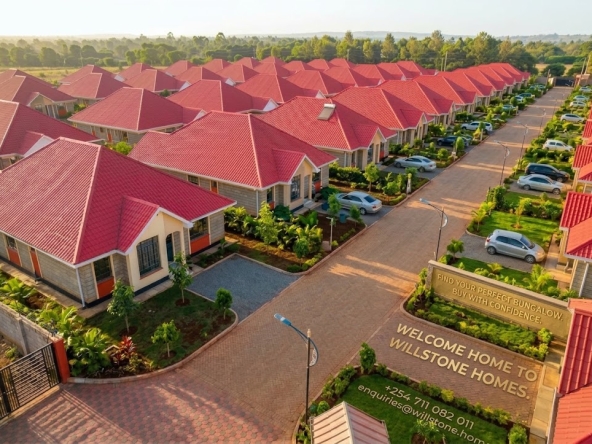

Kenya’s real estate in Kenya is evolving at a remarkable pace, with satellite towns like Ruiru, Juja, and Thika transforming into high-demand investment corridors. What was once considered “peri-urban” is now at the center of property investment in Kenya, fueled by infrastructure expansion, population growth, and rising land scarcity in Nairobi.
Yet beneath this rapid expansion lies a deeper structural concern: urban planning in Kenya may not be evolving at the same pace as development. This imbalance between growth and governance is becoming one of the most critical conversations shaping the future of real estate development Kenya.
The Speed of Development vs the Pace of Planning

Developers have responded swiftly to rising housing demand in Kenya, particularly in Kiambu County where accessibility and affordability intersect. The expansion of key transport corridors such as the Thika Superhighway has unlocked vast tracts of land, making large-scale housing developments in Kiambu County both viable and attractive.
However, planning frameworks tend to move more gradually. County approvals, zoning enforcement, and infrastructure rollouts often lag behind the speed at which new estates are launched. This creates a situation where homes are occupied before the surrounding systems are fully prepared to support them. The result is a form of reactive urbanization rather than coordinated growth, where infrastructure follows people instead of guiding development.
Read Also:Kamiti’s Transformation: From Insecurity Hotspot to Nairobi’s Next Real Estate Goldmine
Infrastructure Strain: The Invisible Pressure Points
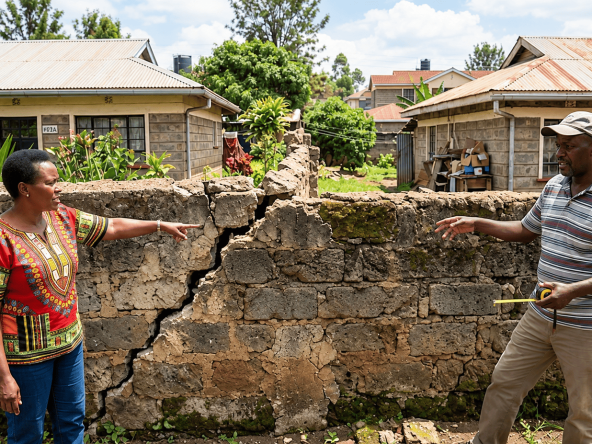
One of the clearest signs of this imbalance is the growing strain on urban infrastructure in Kenya. While new residential units continue to rise, essential services such as water, sewerage, and road networks are often stretched beyond their intended capacity.
In many emerging estates, developers rely on interim solutions that work in the short term but raise sustainability concerns in the long run. Septic systems, boreholes, and privately managed access roads become substitutes for integrated public infrastructure. While these solutions enable faster project delivery, they can compromise long-term livability and affect property value trends in Kenya over time.
Zoning Challenges and the Fragmentation of Urban Growth

Effective urban planning in Kenya depends heavily on zoning discipline, yet in fast-growing areas, land use patterns are becoming increasingly fragmented. Residential neighborhoods can quickly find themselves adjacent to commercial or light industrial developments, often without a cohesive master plan guiding this integration.
This lack of coordination introduces friction into daily life. Traffic congestion intensifies, environmental quality fluctuates, and the overall appeal of a location may decline despite its initial promise. For investors focused on real estate investment Kenya, this unpredictability introduces a layer of risk that goes beyond price and location.
The Social Infrastructure Gap
While physical development is accelerating, social infrastructure is struggling to keep up. The growth of housing units is not always matched by a proportional increase in schools, healthcare facilities, and recreational spaces. This gap becomes particularly evident as communities mature and population density increases.
- Schools and hospitals face mounting pressure as populations surge
- Public amenities and green spaces remain limited or underdeveloped
- Families begin to prioritize livability over affordability in relocation decisions
This imbalance directly influences housing demand in Kenya, as buyers and tenants increasingly evaluate not just the property itself, but the ecosystem surrounding it.
Read Also:Gated Communities vs Standalone Homes: What Nairobi Buyers Really Prefer in 2026
County Governments and the Limits of Capacity
County governments, especially in Kiambu County, are tasked with regulating development while simultaneously supporting growth. This dual responsibility is challenging in an environment defined by rapid expansion and rising expectations.
Planning departments must review and approve projects, enforce zoning regulations, and coordinate infrastructure delivery, often with constrained resources. As a result, property development in Kenya can sometimes be driven more by market urgency than by long-term urban strategy. This creates a structural gap where governance frameworks struggle to keep pace with private sector momentum.
The Emerging Shift Toward Planned Communities
Despite these challenges, there are signs of a more coordinated approach beginning to take shape. Some developers are moving beyond conventional models and embracing integrated planning principles that align with sustainable urban growth.
Projects such as Tatu City illustrate what is possible when infrastructure, zoning, and community design are considered from the outset. These developments incorporate residential, commercial, and social amenities within a unified framework, offering a glimpse into the future of real estate development Kenya.
However, such projects remain limited in number, and the broader market is still characterized by uneven planning standards.
What Investors Should Pay Attention To

For investors navigating this dynamic landscape, understanding the relationship between development and planning is essential. The most successful property investment in Kenya strategies will be those that account for both present value and future sustainability.
- Evaluate infrastructure readiness, including water, sewer, and road access
- Prioritize areas with clear zoning structures and long-term planning visibility
- Consider the availability of social amenities as a driver of long-term demand
These considerations go beyond immediate returns and speak directly to the resilience of an investment over time.
Read Also: Can Nairobi Buildings Withstand Earthquakes?
A Defining Moment for Kenya’s Urban Future
Kenya’s real estate sector is not just growing—it is transforming. The shift toward satellite towns represents a broader reconfiguration of how cities expand and function. However, this transformation must be supported by equally robust planning systems if it is to remain sustainable.
The tension between rapid development and slower planning processes is not unique to Kenya, but its impact here is particularly pronounced given the speed of current growth. If left unaddressed, this gap could undermine the very gains that have made real estate in Kenya one of the most attractive sectors for investment.
Building Beyond the Boom
The current surge in housing developments in Kiambu County and other satellite zones is a powerful indicator of market confidence. Yet it also serves as a reminder that real estate is not just about buildings—it is about the systems that support them.
As urban infrastructure in Kenya continues to evolve, the alignment between developers, planners, and government institutions will determine whether today’s growth translates into tomorrow’s sustainable cities.
The real question, then, is not whether developers are moving fast.
It is whether the cities being built around them are ready to keep up.
Read Also:7 Lies People Believe About Buying Off-Plan Property in Kenya