For decades, the ultimate badge of success for Kenyans in the diaspora was simple:
build a big house back home.
From Kisii to Kitui, from Kakamega to Nyeri, thousands of multi-bedroom mansions stand tall—symbols of sacrifice, resilience, and foreign-earned income.
But in 2026, the market is asking a hard question:
What if that dream has quietly become a liability?
With rising maintenance costs, currency pressures, and shifting lifestyle preferences, many diaspora-owned homes are no longer assets.
They are dead capital.
Read Also: Are Developers Moving Faster Than Urban Planning in Kenya’s Booming Property Market?
The Hidden Cost of Emotional Real Estate
Owning a large rural home you visit once every 1–2 years comes at a price:
- Monthly caretaker and security costs
- Utility bills and repairs
- Depreciation from underuse
- Zero or minimal income generation
At the same time, Nairobi’s property market—and other high-growth nodes—continue to generate real, measurable returns.
This creates a painful reality:
You are funding a non-performing asset while missing out on income-generating opportunities.
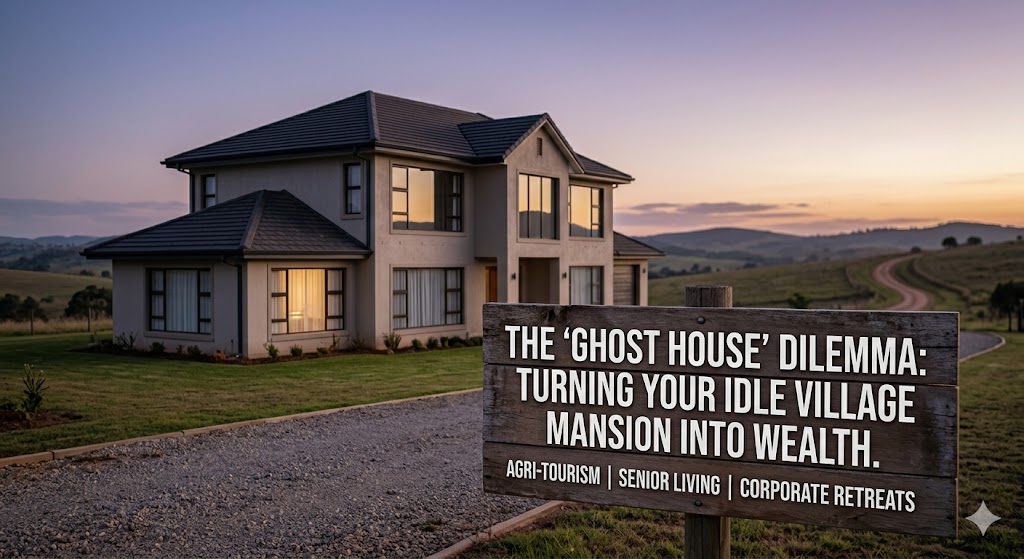
The Rise of the “Ghost House” Syndrome
A “Ghost House” is a property built for a future lifestyle that never materialized.
Many diaspora investors chose to build in ancestral areas instead of tapping into structured property investment opportunities in Kenya.
Today, the gap is clear:
| Factor | Rural “Ghost House” | Urban / Income Property |
|---|---|---|
| Occupancy | Near zero | High (tenant/short-stay demand) |
| Cash flow | None | Positive monthly income |
| Maintenance | Constant | Offset by rental income |
| Liquidity | Low | Moderate to high |
Meanwhile, areas like Nairobi continue to attract:
- Young professionals
- Expats
- Digital nomads
- Corporate tenants
Read Also: The Rise of the ‘Middle-Class Luxury’ Market in Kenya
The Mindset Shift: From Ownership to Yield
The 2026 investor doesn’t ask:
“Do I own property?”
They ask:
“Is my property working for me?”
This is where the Reverse Diaspora Strategy comes in:
👉 Either repurpose the asset for income
👉 Or liquidate and redeploy capital into higher-yield investments
Three Blue-Ocean Strategies to Revive a “Ghost House”
If selling feels premature, then the property must evolve.
1. The Boutique Agri-Tourism Pivot
Urban fatigue is real. Nairobi’s middle class is actively seeking weekend escape experiences.
The Play:
Transform your home into a curated farm-stay retreat.
Why it works:
- Rising demand for “digital detox” experiences
- Families and corporates seeking short getaways
- Low competition in well-designed rural stays
Revenue Potential:
| Model | Monthly Potential |
|---|---|
| Traditional rural rent | ~KSh 20,000 |
| Farm-stay (KSh 12K–15K/night, 8–12 nights) | KSh 96K – 180K |
This is one of the clearest ways to unlock dormant land value without selling.
2. The Premium Assisted Living Opportunity
Kenya is facing a quiet but urgent gap:
quality senior living solutions.
Many diaspora families have elderly parents living alone in oversized homes.
The Play:
Convert the property into a small, premium assisted living residence.
Why it works:
- Growing aging population
- Diaspora willing to pay for dignity + safety
- Recurring monthly income model
This shifts your asset from emotional storage → essential service business.
Read Also: Apartment Prices Are Falling in Nairobi—But Here’s Where Smart Money Is Moving
3. The Corporate “Deep Work” Retreat Hub
Remote work has changed everything.
With tools like Starlink, even rural Kenya is now digitally accessible.
The Play:
Position your home as a corporate offsite / deep work hub.
Target clients:
- Startups
- NGOs
- Tech teams
- Leadership retreats
Why it works:
- Companies want quiet, distraction-free environments
- Demand for offsites is rising post-remote work
The Exit Strategy: How to Execute the Pivot
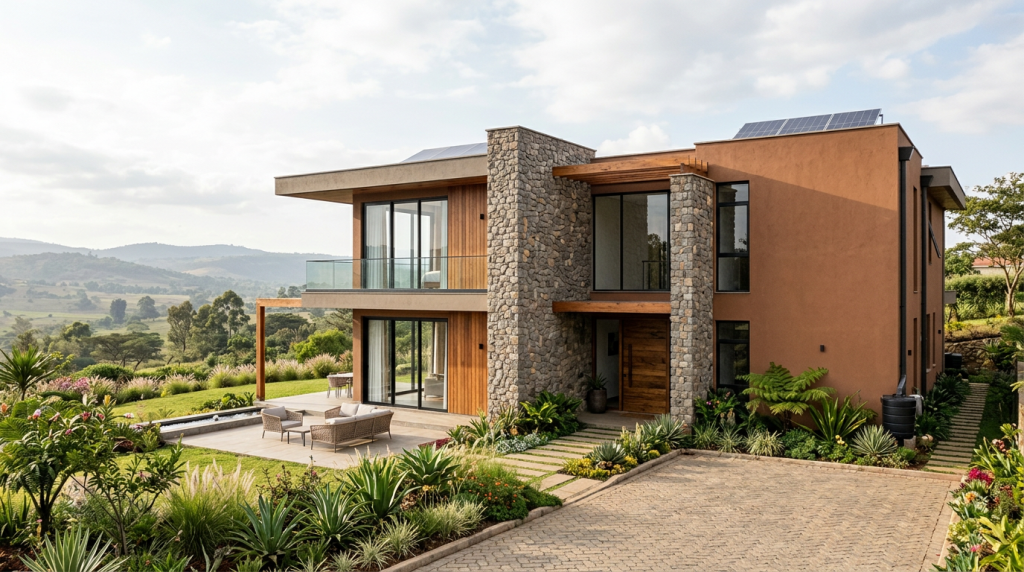
Turning a passive home into an active asset requires discipline.
1. Professionalize Management
This is not a side hustle.
- Hire trained property or hospitality managers
- Implement booking systems
- Track occupancy, revenue, and reviews
2. Upgrade Infrastructure
Your biggest ROI upgrades:
- Solar + backup power
- Reliable water systems
- High-speed internet
- Modern interiors
These are no longer luxuries—they are conversion tools.
3. Consider Partial Liquidation
If the land is too large:
- Subdivide unused portions
- Sell strategically
- Reinvest into income-generating upgrades or urban property
When Selling Is the Smartest Move
Let’s be honest—some properties cannot be salvaged profitably.
You should strongly consider liquidating if:
- Location has no tourism or commercial potential
- Maintenance costs are rising faster than value
- You have better ROI opportunities elsewhere
Capital trapped in sentiment is still trapped.
Final Thought: Legacy vs Liquidity

Your village home represents history, pride, and identity.
But the 2026 market rewards something different:
utility, efficiency, and cash flow.
The goal is no longer just to build wealth—it’s to make wealth work.
The Reverse Diaspora Strategy isn’t about abandoning your roots.
It’s about ensuring your roots don’t drain your future.