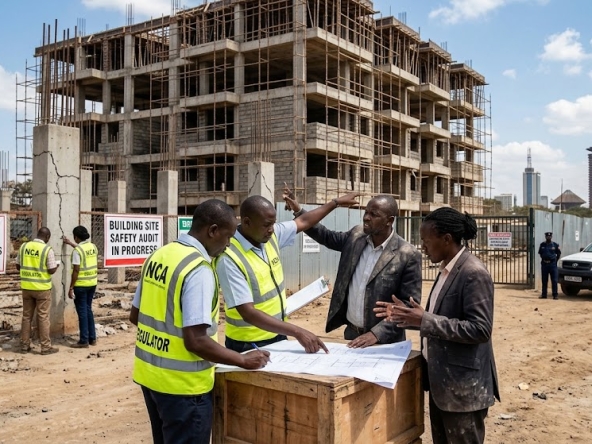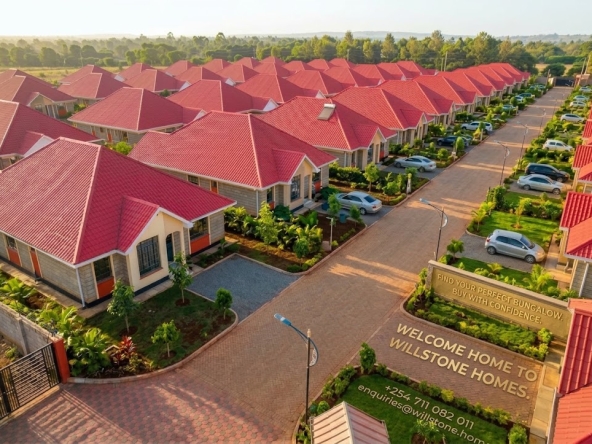

Kenya’s building code took a genuine step forward in 2024. By recognizing stabilized soil blocks, timber frames and rammed earth construction, the revised code acknowledged something that has long been obvious to many Kenyans: stone and cement are not the only legitimate ways to construct safe and durable homes. The change was important because it opened the regulatory door to building methods that can be more affordable, locally sourced and better suited to different parts of the country.
When the 2024 review quietly opened the door to alternative construction methods, it did something more significant than most people realized. For decades, an assumption that conventional stone, concrete and cement-based construction represented the default standard had influenced planning approvals, bank valuations and insurance decisions. Yet that assumption did not necessarily reflect the realities of a country with diverse climates, abundant local building materials and significant differences in construction costs from one region to another.
Consider Eldoret, for example. Transporting dressed stone into the town adds a substantial cost to construction, particularly when developers have to source materials from distant areas. That additional expense is ultimately passed on to buyers. A family that might otherwise afford a three-bedroom home can find itself priced out of that option simply because the conventional construction materials required to build it have to travel considerable distances.
Stabilized soil blocks offer a potentially different proposition because much of the material can be sourced from soil available on or near the construction site. Rammed earth construction can provide another alternative while offering thermal properties that may be particularly useful in regions such as the Rift Valley, where temperatures can fluctuate significantly. In principle, this is exactly the kind of regulatory flexibility that could help Kenya reduce construction costs without abandoning safety standards.
Read Also: What Happens to a Family Home When the Children Leave?
So Why Does It Still Feel Like Nothing Has Changed?

The biggest challenge is that a building code can authorize a construction method, but it cannot by itself transform the institutions that finance, value and insure buildings. A bank may still hesitate to provide a mortgage for a house constructed using an unfamiliar method. A valuer may struggle to determine its market value, while an insurer may classify the building as a higher risk and attach expensive premiums to it.
This creates a gap between what is legally permitted and what is commercially accepted. The building code may move forward relatively quickly, while lending policies, valuation practices and insurance models remain anchored in older assumptions. The result is that a construction method can be perfectly legal but still difficult for an ordinary homeowner or developer to finance.
The problem becomes particularly visible along the Kenyan coast, where Makuti-roofed homes remain a recognizable part of Mombasa’s architectural identity. Makuti construction is neither new nor experimental. Coastal communities have used it for generations, and properly treated and maintained Makuti can provide a practical roofing solution. Yet insurance treatment can still place it in a high-risk category, with fire premiums that may be significantly higher than those attached to comparable conventional structures.
The contradiction is difficult to ignore. On one side, the regulatory framework can recognize alternative building approaches as acceptable. On the other, the insurance market can treat some of those same approaches as substantially more hazardous. Homeowners and developers are then left to absorb the financial consequences of that disconnect.
The Three Institutions That Determine Whether Alternative Construction Can Work
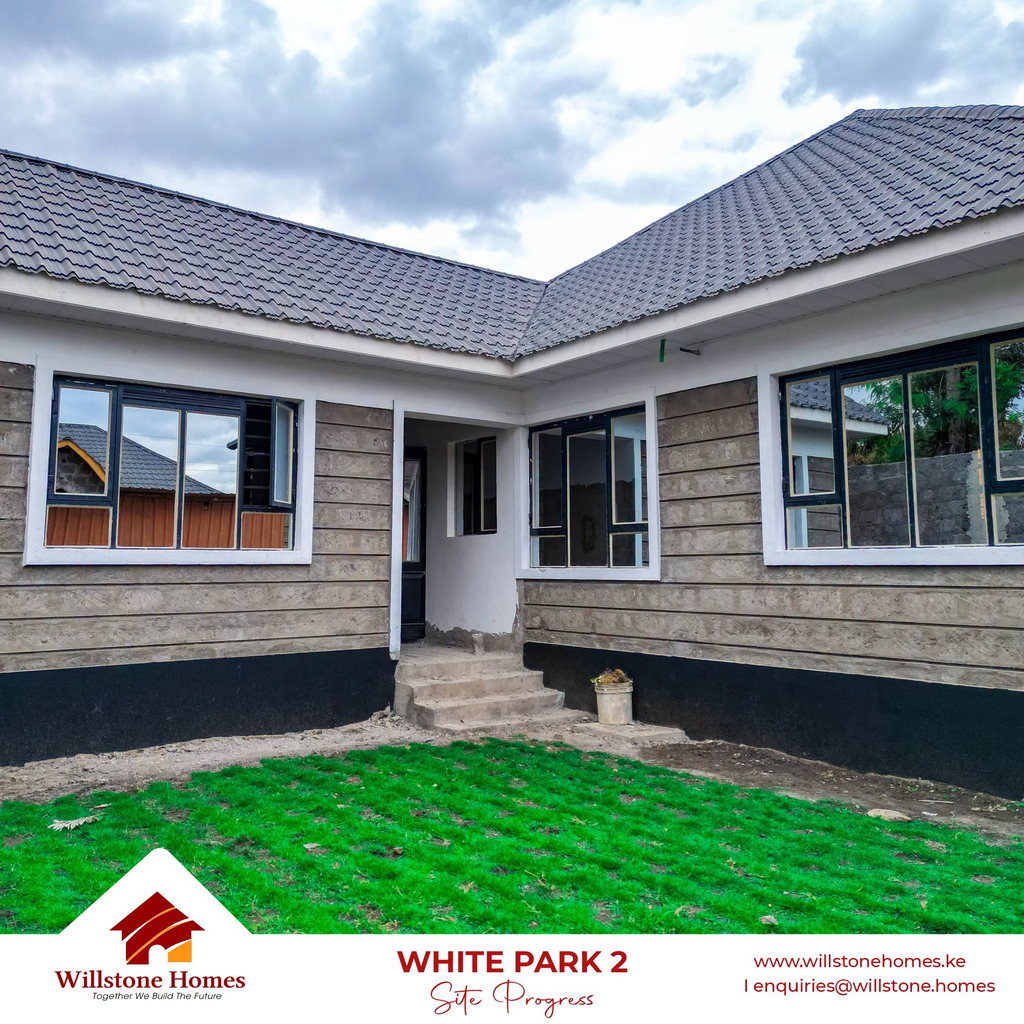
For a developer considering stabilized soil blocks, rammed earth or another alternative construction method, the initial cost of materials is only one part of the equation. The project also has to make sense from a financing, valuation and insurance perspective.
The practical questions are straightforward:
- Will a bank finance the property? A lower construction cost has limited value if lenders are unwilling to provide mortgages or development finance for the resulting building.
- Will a valuer recognize its market value? If valuers have limited comparable properties or established valuation methodologies for alternative construction, the property’s assessed value may not fully reflect its actual cost or usefulness.
- Will an insurer provide affordable cover? If insurance premiums are disproportionately high because the construction method is treated as unfamiliar or inherently risky, the financial advantage of using local materials can quickly disappear.
This is why the next stage of Kenya’s building-code reform cannot stop with the regulatory authorities. The institutions surrounding construction must also adapt their practices so that legally recognized building methods can participate meaningfully in the formal property market.
Insurance Is a Particularly Important Missing Piece
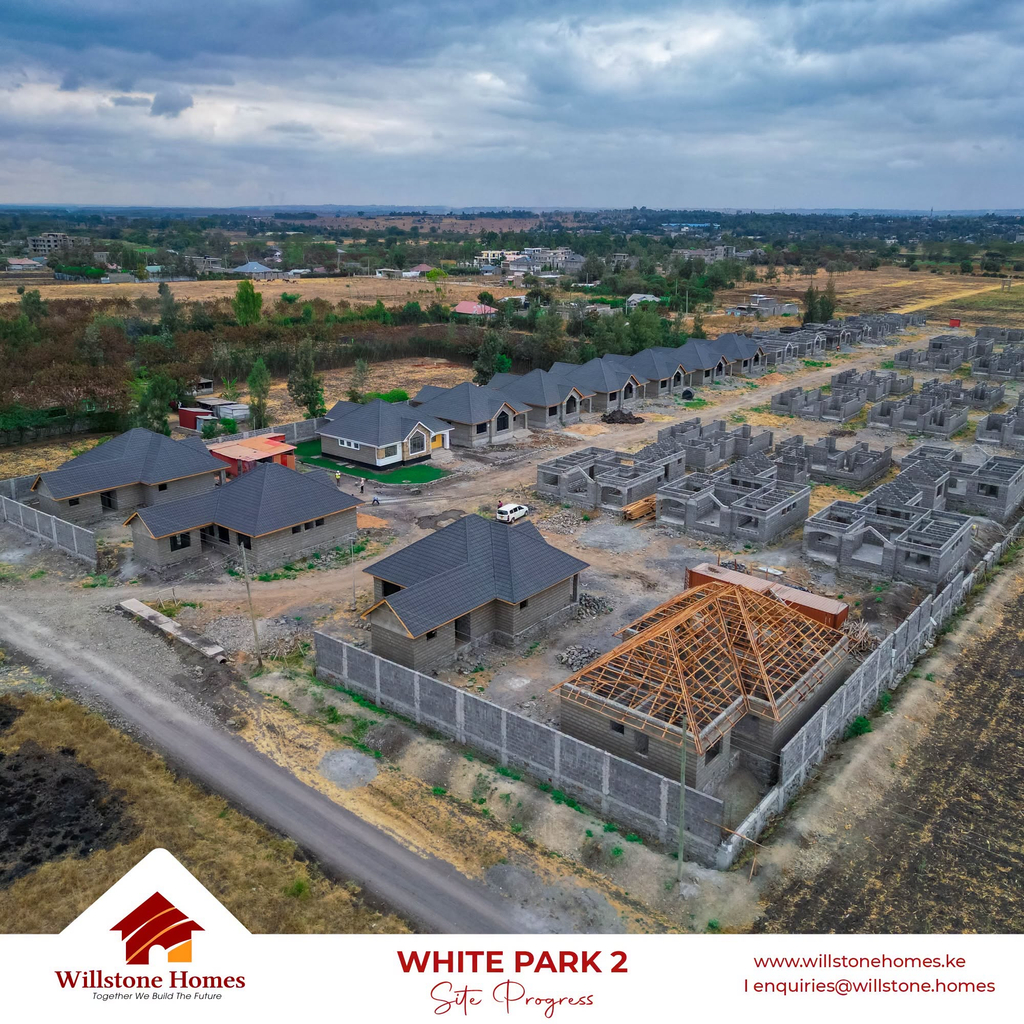
Insurance companies need better actuarial information on alternative construction methods used under Kenyan conditions. Premium decisions should ideally be informed by evidence about actual fire, structural and other relevant risks rather than assumptions derived from generic international risk categories or construction methods used in substantially different climates.
This is particularly relevant to materials such as treated Makuti roofing, rammed earth walls and stabilized soil blocks. The question should not simply be whether a material is conventional. The more useful question is how that material performs when properly designed, constructed, treated and maintained under Kenyan conditions.
The regulators who supported the 2024 building-code changes could therefore play a useful coordinating role. They could bring together the Association of Kenya Insurers, major underwriters, construction professionals, valuers, lenders and county governments to establish what evidence would be required before insurance classifications and premiums for alternative construction methods could be reviewed.
County governments could contribute as well, particularly in areas where alternative materials are already being used. Performance information from completed buildings and pilot projects could provide valuable local evidence on durability, maintenance requirements, fire performance and other relevant risks.
None of this requires insurers to abandon caution. Fire and structural risks must continue to be assessed rigorously, and homeowners should not be encouraged to compromise on safety simply to reduce construction costs. But rigorous risk assessment is different from institutional inertia, and the distinction becomes important when a legally recognized construction method continues to face commercial barriers simply because it is unfamiliar.
Read Also:The UN Is Expanding in Nairobi. What Could That Mean for Property Buyers?
Kenya Needs the Code and the Market to Move Together
The 2024 building-code review was an important recognition that affordability and safety do not necessarily have to be opposing objectives. It also acknowledged that local materials and alternative construction technologies deserve to be assessed on their actual performance rather than automatically being dismissed because they differ from conventional stone-and-cement construction.
The next step belongs to the institutions that determine whether a building can become a financially viable asset. Banks, valuers and insurers have considerable influence over what Kenyans can realistically build, regardless of what the building code permits. If their systems do not evolve alongside the regulations, alternative construction will remain legal in theory but difficult to adopt in practice.
That gap could have serious consequences for housing affordability. Towns such as Kisii, Eldoret and Mombasa have long histories of using building approaches adapted to their local environments and available materials. If the regulatory system is prepared to recognize those approaches but the financial system continues to penalize them, many families who could benefit from lower-cost construction will remain locked into more expensive conventional options.
Kenya’s building code became more open-minded in 2024. The bigger question now is whether the financial and insurance sectors are prepared to become equally evidence-driven.
Until that happens, liberalization on paper will continue to run ahead of liberalization in practice, leaving homeowners and developers to pay the difference.
Read Also :Before You Say “It’s Too Far”: What Umoja and Kayole Can Teach Today’s Property Buyers